How to recognise it
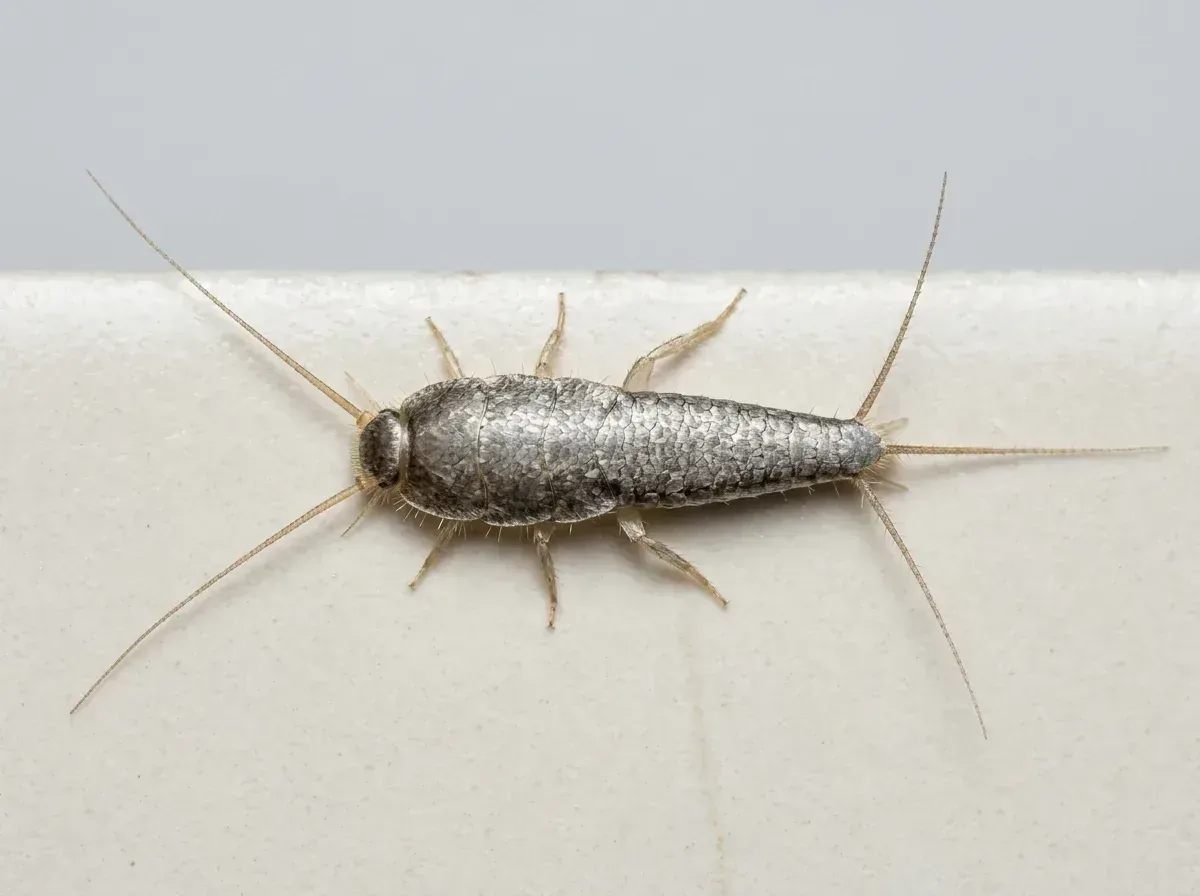
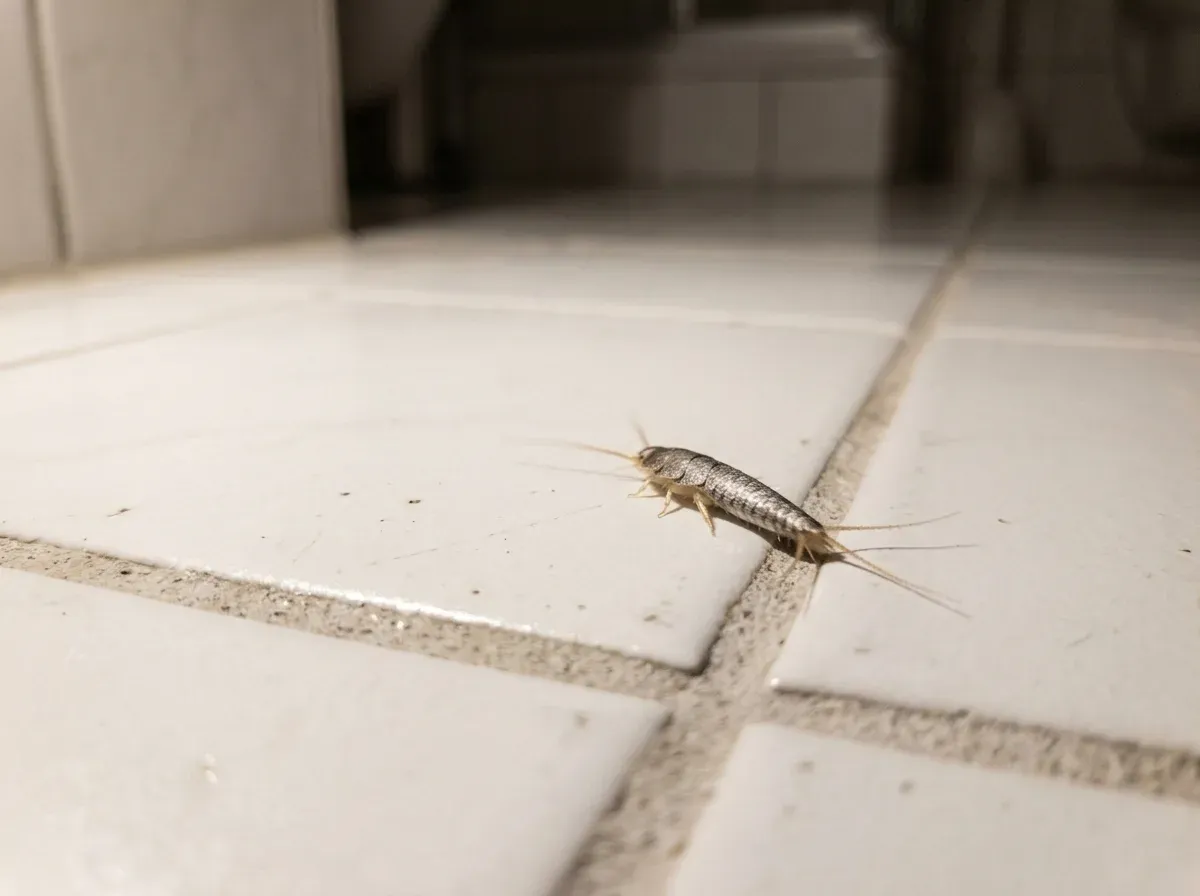
The silverfish – also called the silver fishmoth – is a wingless insect about a centimetre long. Its body tapers towards the rear, carrot-shaped, covered in silvery-grey scales, with three long tail appendages at the end of the abdomen. It flees with a fast, fish-like, wriggling motion when exposed to light; it is therefore most often seen in the evening, when the bathroom light is switched on.
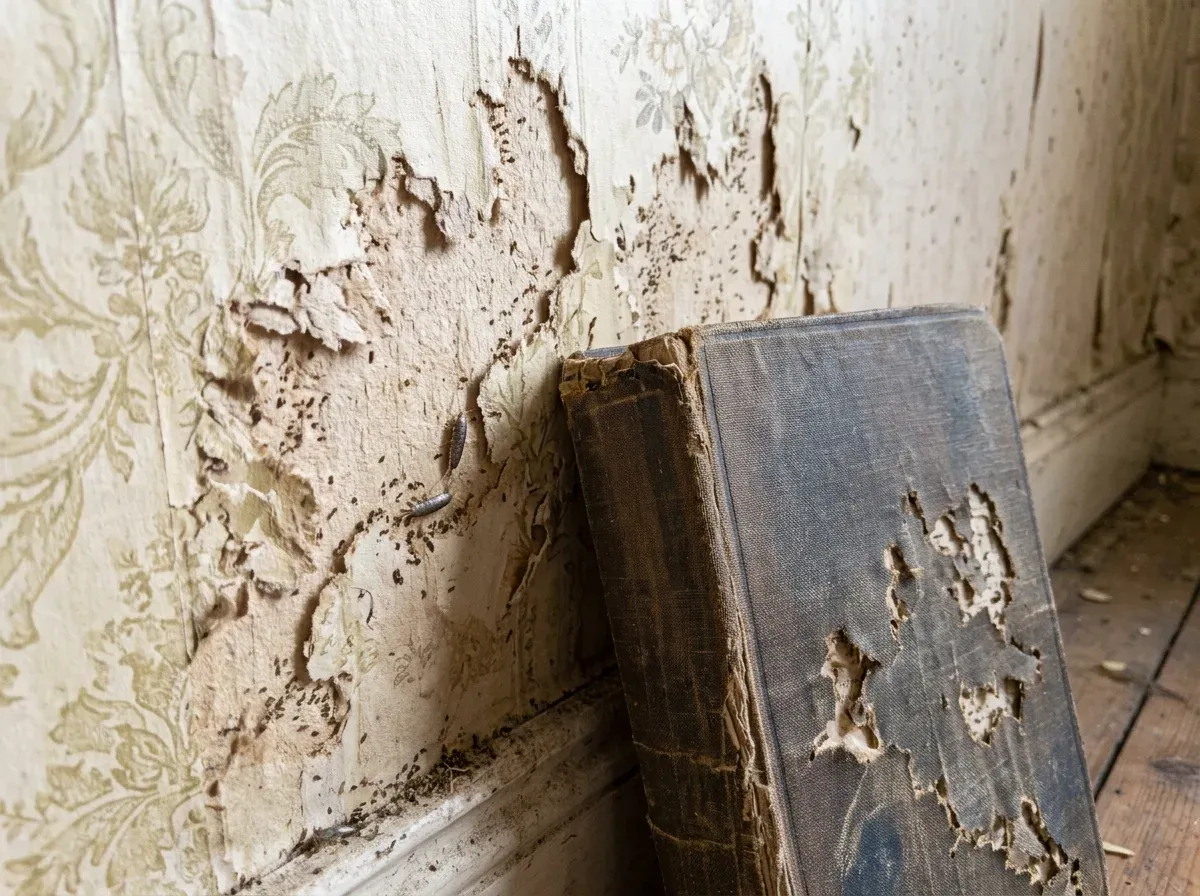
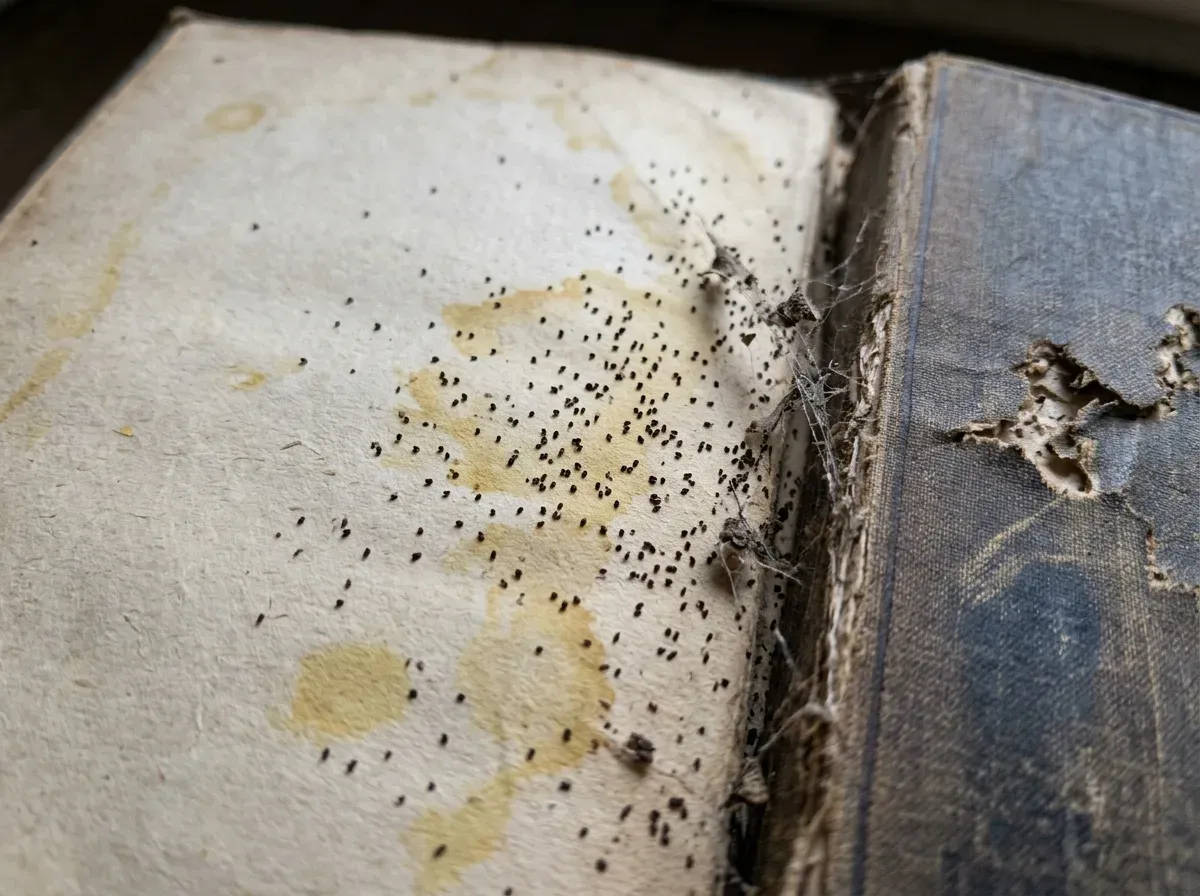
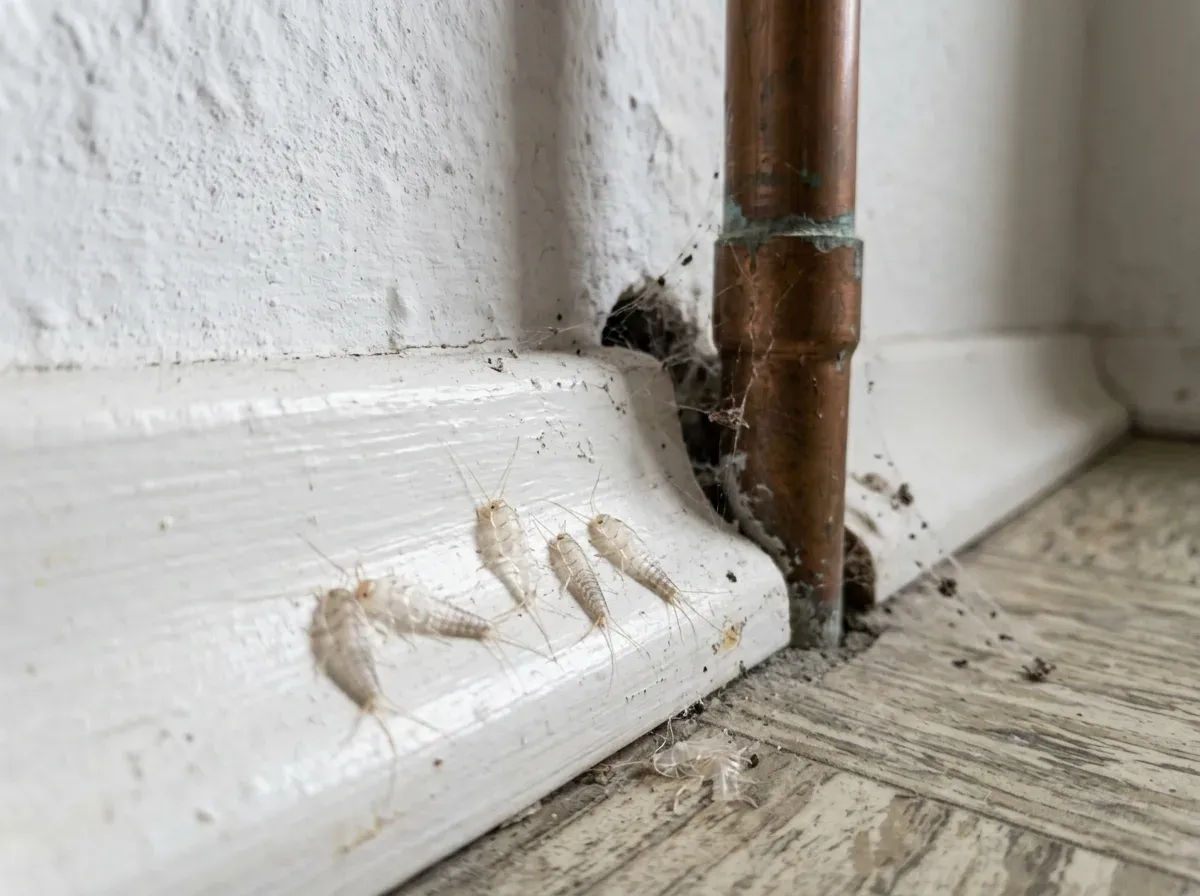
It can also be recognised from its signs without seeing a live insect: irregular-edged, gnawed patches on paper, wallpaper, bookbinding or box surfaces; yellowish stains and tiny, dark droppings around the gnawed area; shed, translucent skins along skirting boards and pipework – the silverfish keeps moulting even as an adult.
Where it lives and what it eats
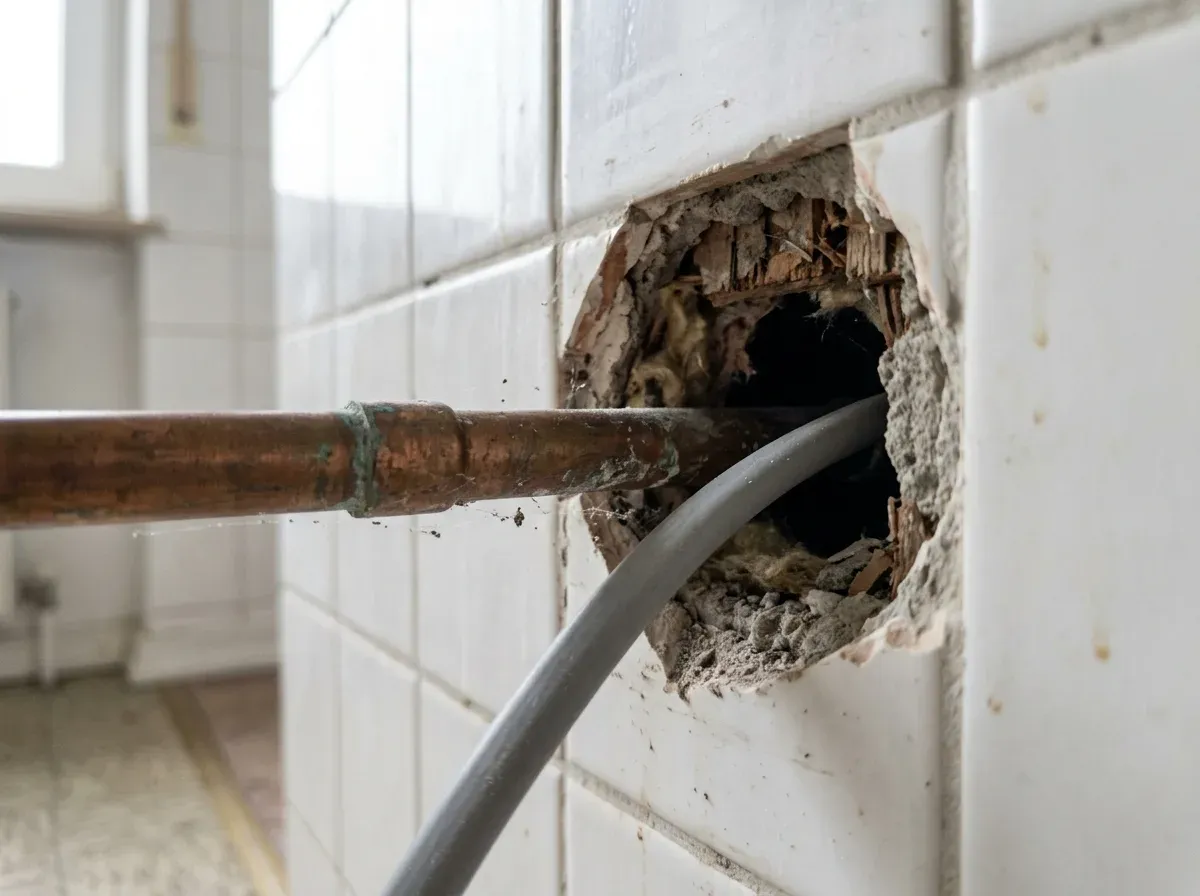
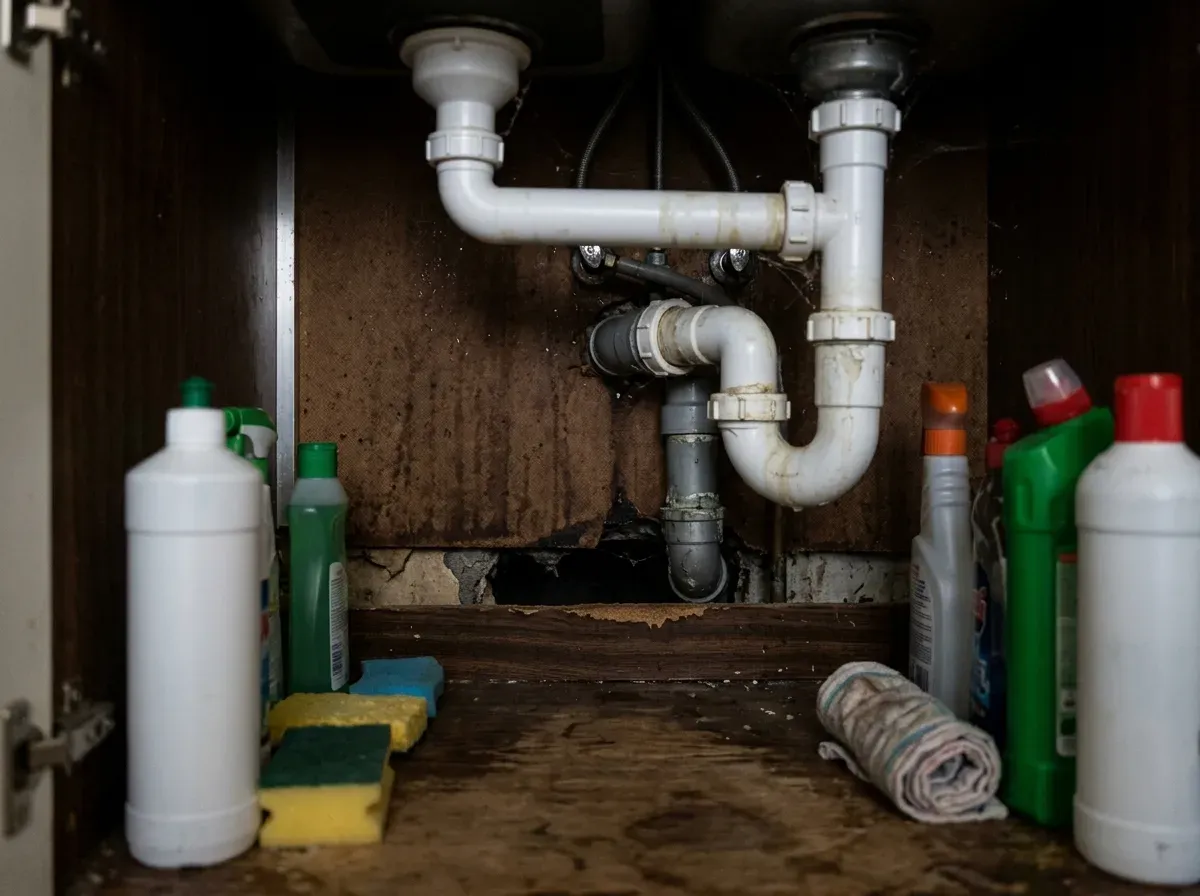
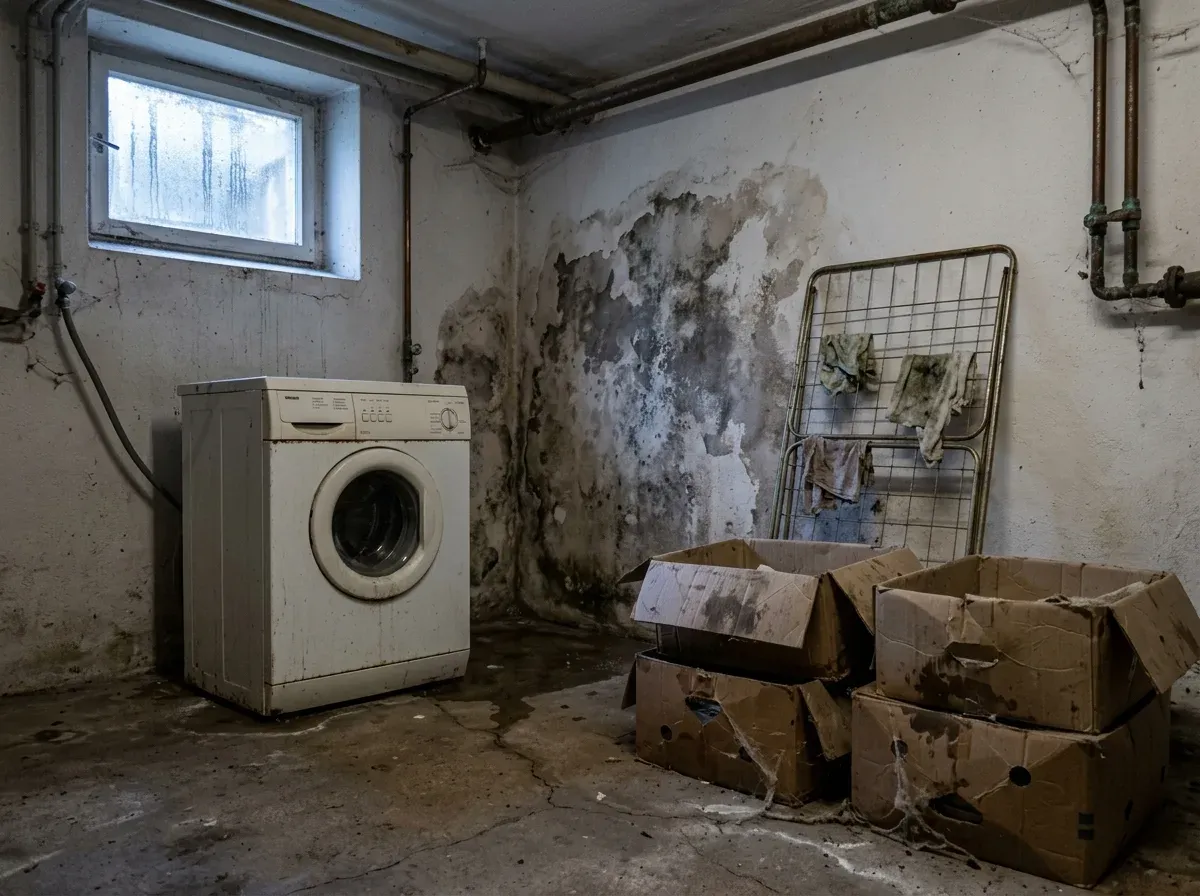
It looks for a warm, humid and dark place with a gap it can retreat into: the bathroom, the cabinet under the kitchen sink, cellars, utility rooms, and the area around pipe and cable penetrations. It is active at night and stays in the gaps during the day.
It eats starch and cellulose: paper, wallpaper paste, bookbinding, photographs, starched textiles, as well as spilled residue and packaging of dry foods such as flour, oats and sugar. It can go without food for a long time and reproduces slowly, so the population usually grows unnoticed over months.
In recent years, a close relative has been spreading across Europe – the grey silverfish (Ctenolepisma longicaudatum) – which also tolerates drier rooms and causes damage in archives, libraries and warehouses. It is larger, with strikingly long tail appendages; the measures against both species are the same, but against this one, eliminating moisture alone achieves less.
What its presence indicates
In a home, silverfish are above all a moisture indicator: wherever they appear persistently, humidity is high – a leaking pipe connection, missing ventilation, a cold, condensing wall. As long as that persists, any treatment is only temporary.
In an industrial setting, the damage is direct: archives, paper and packaging-material warehouses, print shops, textile warehouses. In a food-industry plant, damage to dry-goods packaging is a contamination risk, and their presence points to the same humid, poorly ventilated zones that monitoring already watches.
When to call a professional
If the insect appears regularly in several rooms; if you find gnaw marks on documents, books or warehouse packaging; or if the problem returned within a few weeks of using an off-the-shelf product. The last of these usually means the hiding places and the moisture source were left untouched. Treatment is carried out as part of vermin control, and in an industrial setting as part of the insect control programme.