Why it’s a difficult case
The bed bug lives hidden close to the sleeping area and feeds exclusively on blood. It is not attracted by poor hygiene: it can be carried in with a suitcase or used furniture, and it can also migrate in on its own, through structural gaps, from a neighbouring room. This makes it the most common difficult case in institutional and hotel settings.
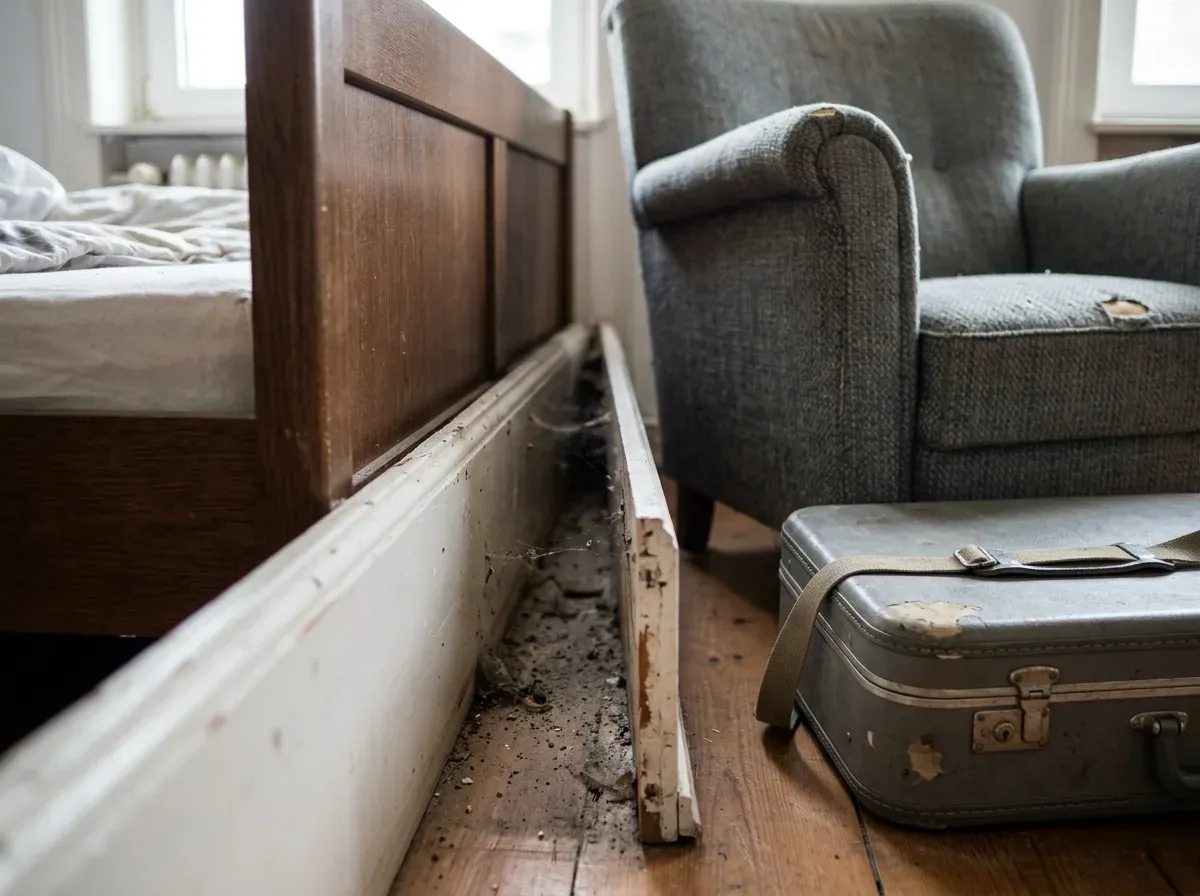
Two things make treatment difficult. First, the species retreats into the smallest gaps – mattress seams, bed slats, the gap behind a skirting board – which surface treatment cannot reach. Second, the eggs are more resistant than the adults, so the generation that hatches after a single treatment can restart the population.
How to recognise it
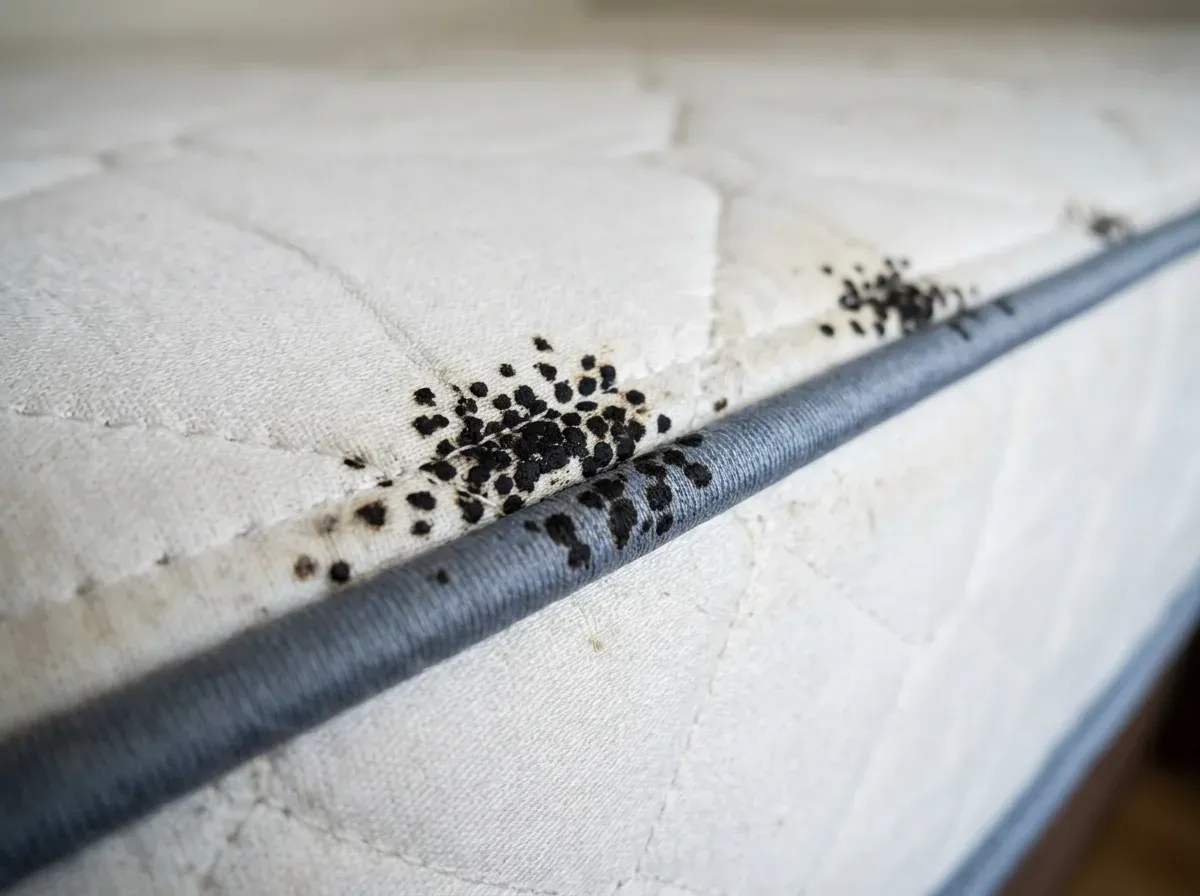
- Droppings – tiny, dark, ink-blot-like spots along mattress seams, the bed frame and the slats. This is the most reliable early sign.
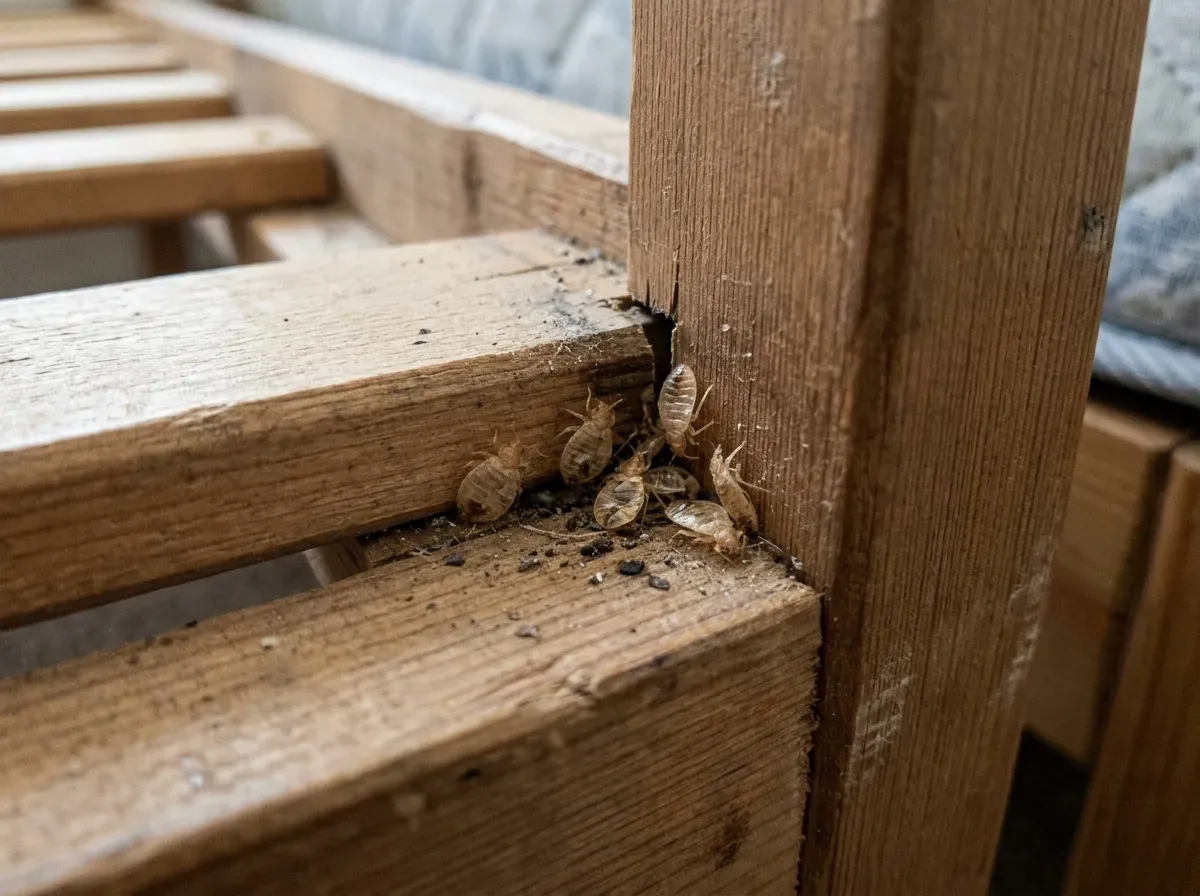
- Shed skins – pale, translucent moults near the hiding places; the nymph sheds its skin several times as it develops.
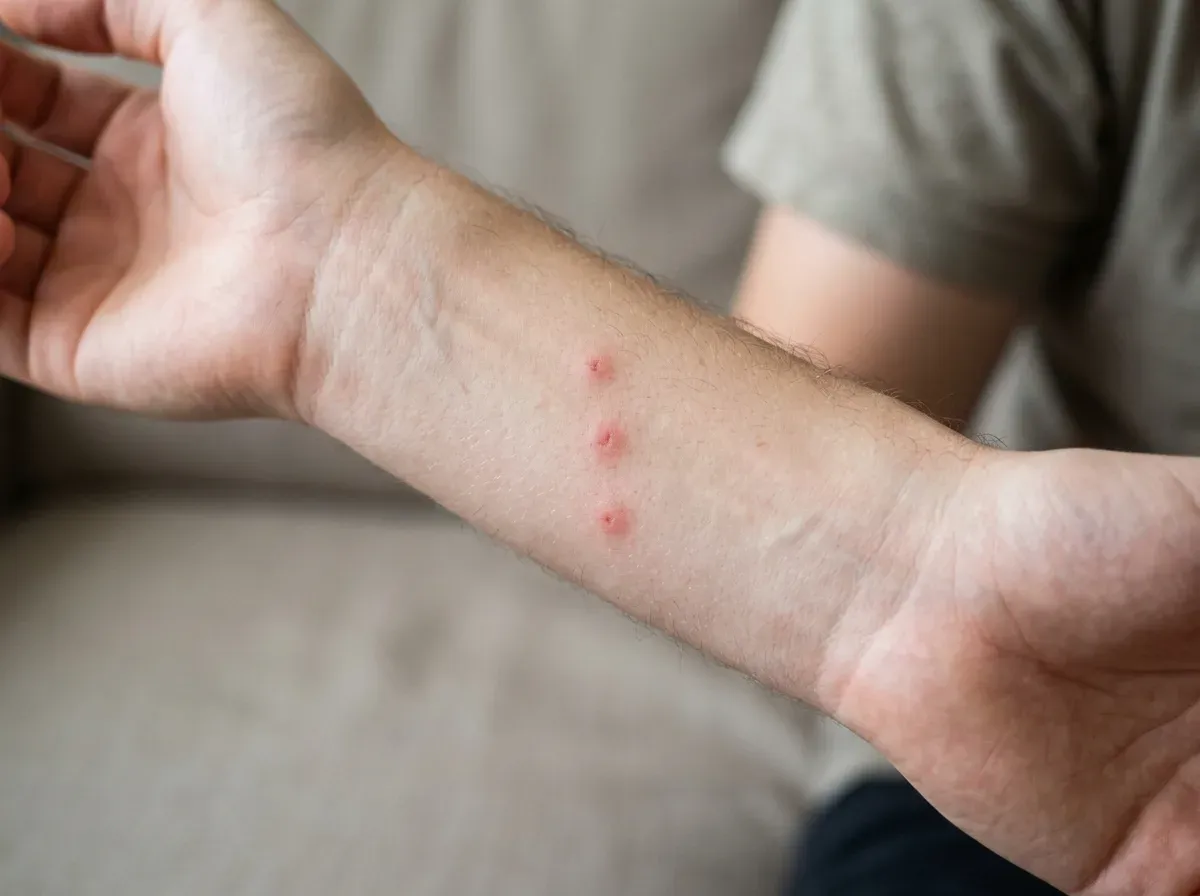
- Bite marks – typically on exposed skin, often in a row. The reaction to a bite varies greatly from person to person, so it is not proof on its own: some people show no reaction at all.
- Odour – a distinctive sweetish smell with a long-standing, heavy infestation.
What lasting elimination requires
Treatment starts with a survey to establish how far the infestation has spread, because that determines the extent of treatment. Targeted treatment of the gaps and hiding places follows, then – because of the eggs’ resistance – a follow-up check and, if needed, a repeat treatment.
In hotels and institutions, ARZÉN Kft. schedules treatment around operations, and issues a treatment report for every intervention. For a hotel, this is not a formality: it documents what was done and when, in case a guest complains later.
What you can do in the meantime
Do not start moving furniture or carrying textiles into other rooms – this is the most common way an infestation spreads. Washing and drying textiles at a high temperature is effective; throwing furniture away is usually unnecessary, and doing so alone will not solve the problem.