Rats: Signs & Rat Control

The Norway rat has a large home range, typically comes in from outside, and leaves greasy rub marks along the routes it uses regularly next to a wall. Its droppings are larger with a blunt end, while a mouse's are rice-grain-sized with a pointed end. Perimeter control is effective against it, not indoor bait placement.

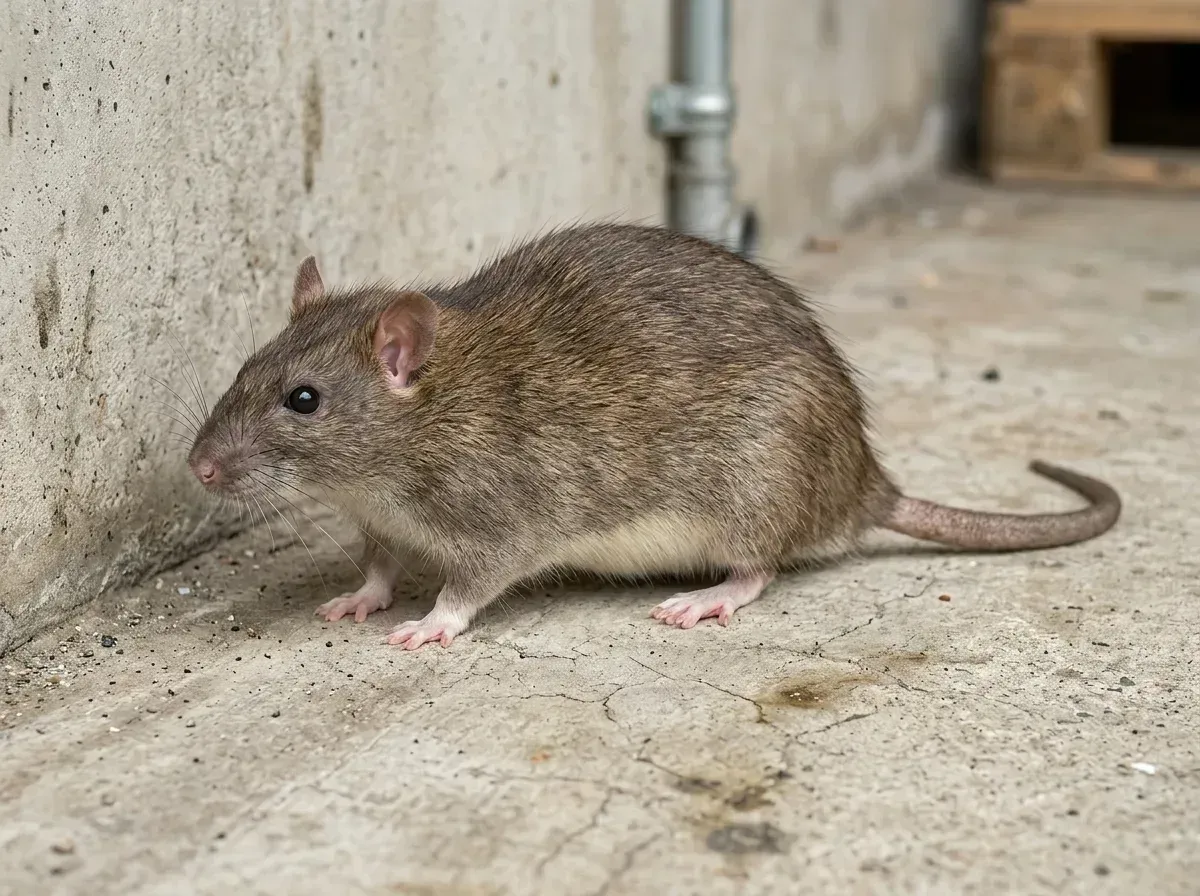
Rats (Rattus norvegicus)
Rattus norvegicus

How to recognise it

Compare it with what you found. If you are not sure, send us a photo – a preliminary identification means we arrive with the right method from the start.

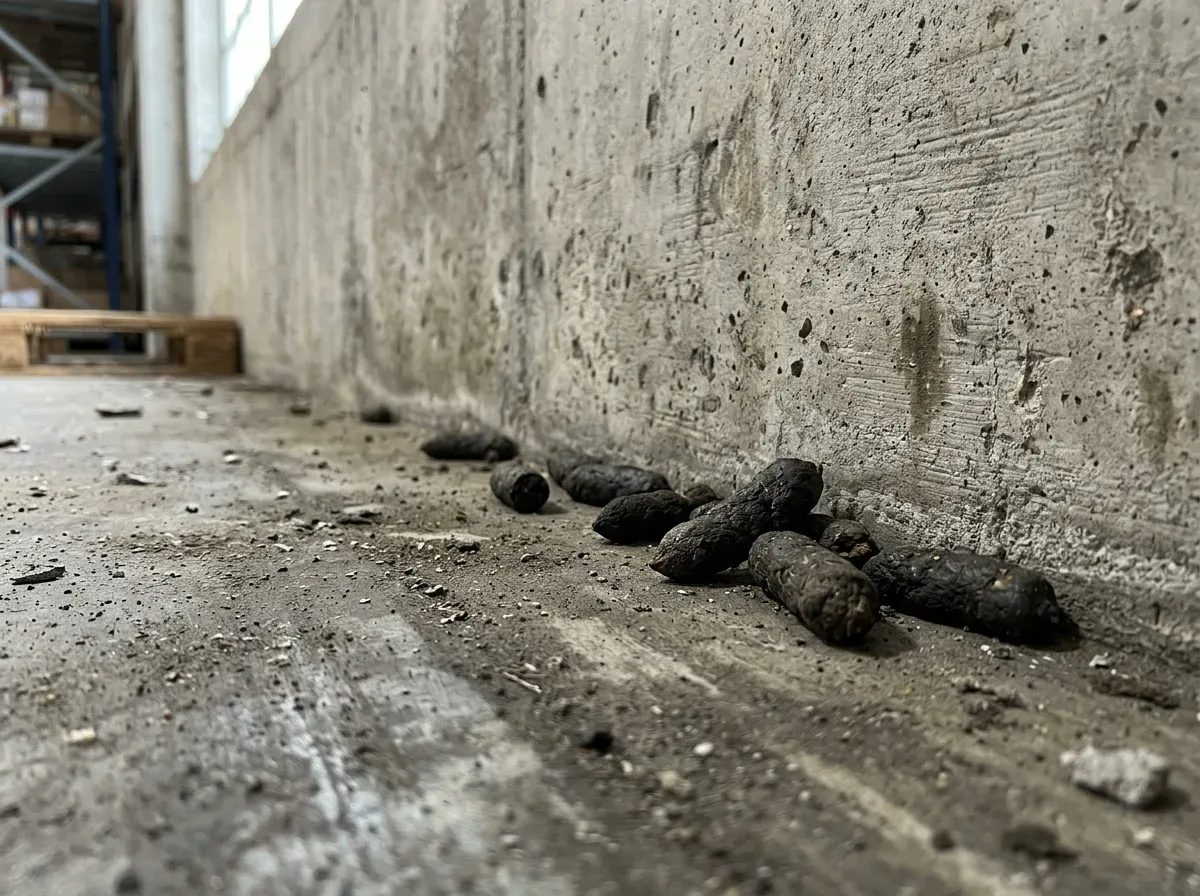
  1. Larger, blunt-ended droppings along a wall

    1Larger, blunt-ended droppings along a wall

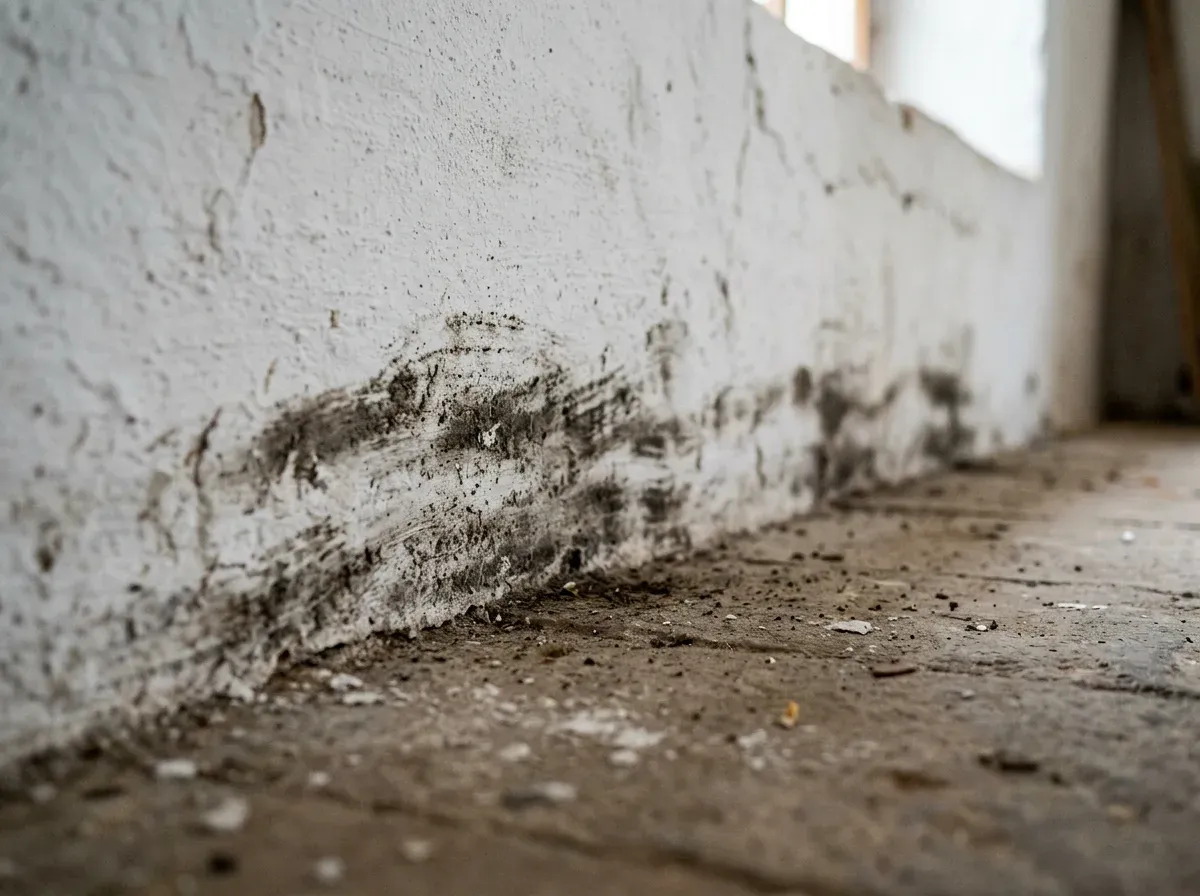
  2. Greasy rub marks along regularly used routes

    2Greasy rub marks along regularly used routes

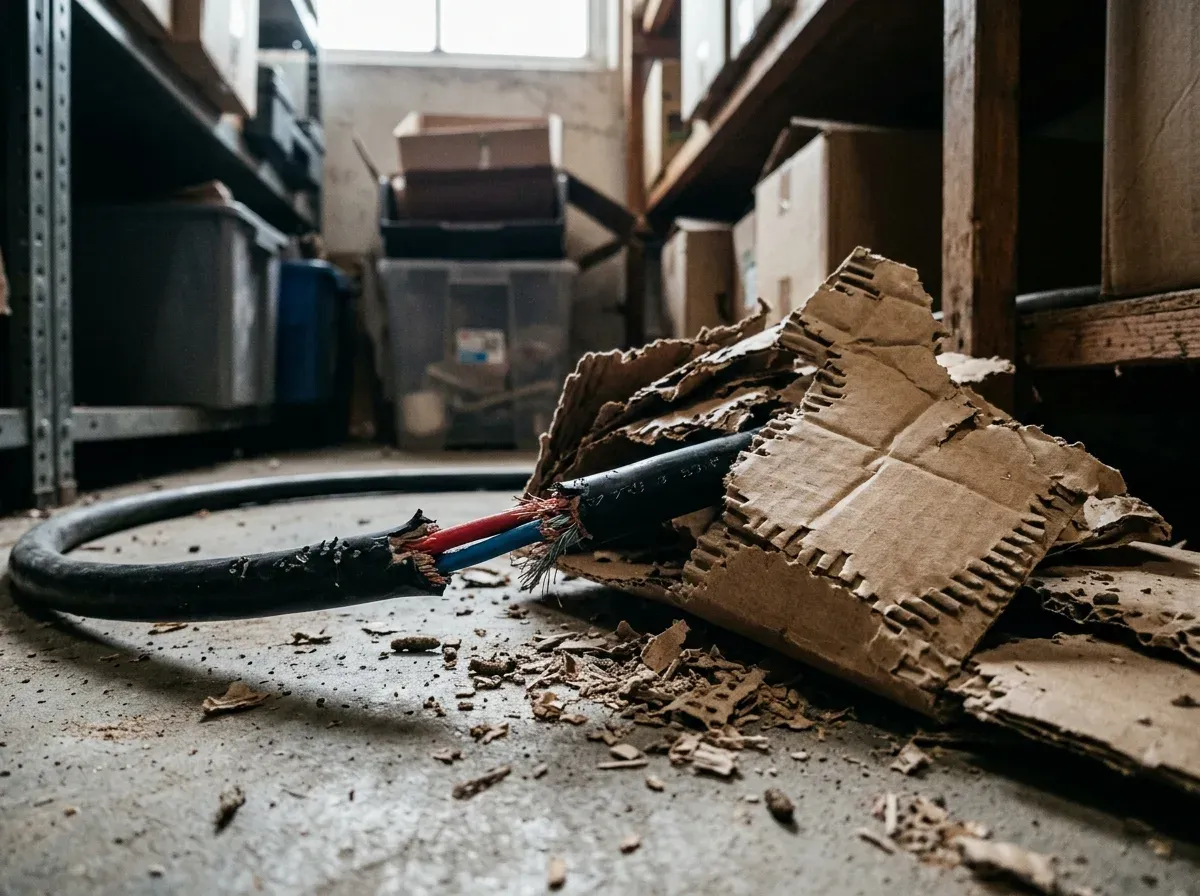
  3. Gnaw marks on packaging, cables, door frames

    3Gnaw marks on packaging, cables, door frames

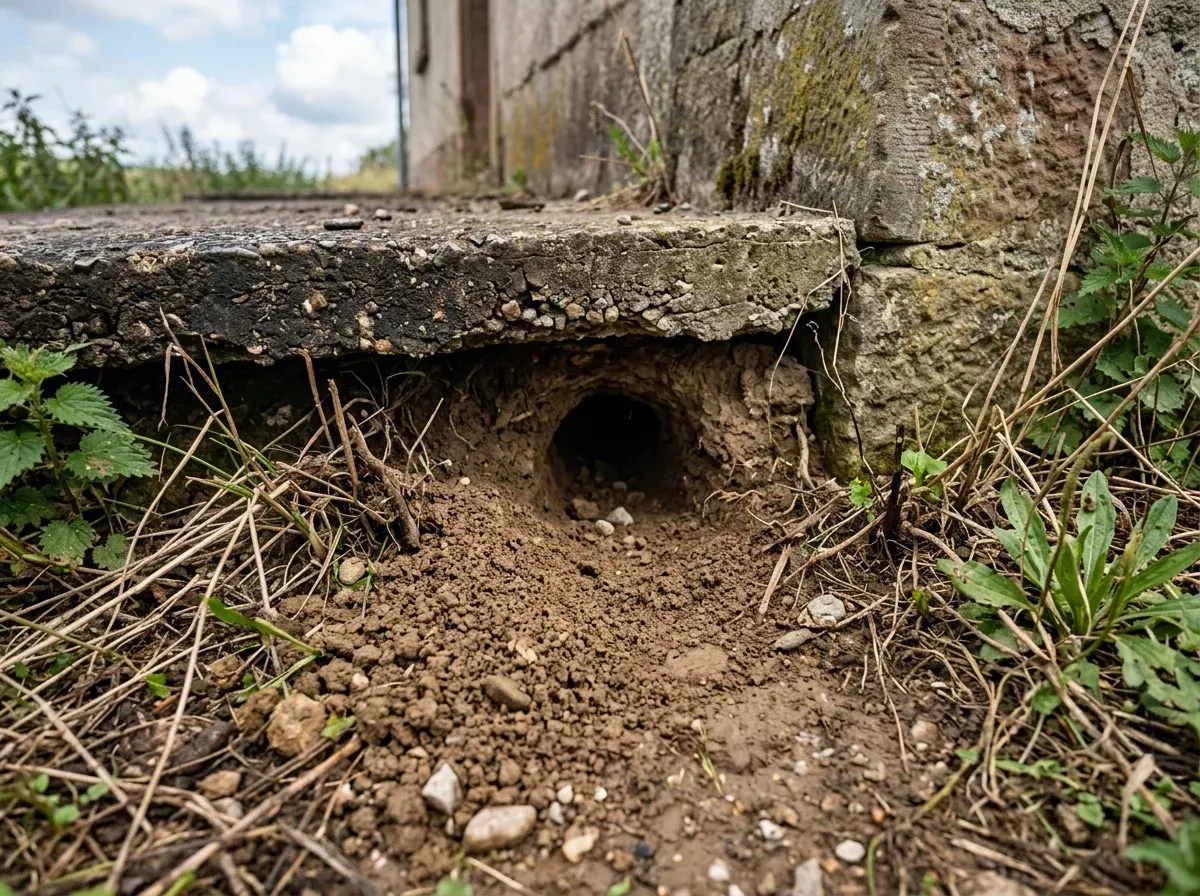
  4. Burrows in the ground along the perimeter

    4Burrows in the ground along the perimeter

It comes in from outside

The Norway rat is a species with a large home range: it roams the area around a site, the sewer network, and neighbouring properties as well. The most important practical lesson follows from this – an individual seen indoors typically doesn’t live there, it comes in from elsewhere.

That’s why bait placed indoors on its own is at best a treatment of symptoms: within a few weeks, another individual arrives along the same route to replace the one that died. The effective answer is perimeter control – a numbered network of monitoring points set up along the boundary of the site, which catches incoming individuals before they get in.

How to recognise it

  • Droppings – considerably larger than a mouse’s, and blunt-ended. They accumulate along walls, on walking surfaces and under warehouse shelving.
  • Rub marks – along regularly used routes, the grease in the fur leaves a dark, glossy band on the wall, typically low down, where the wall meets the floor. This is the most telling sign: it shows the route.
  • Gnaw marks – on packaging, cables, door frames, plastic cable trunking. Gnawed cables are also a fire risk.
  • Burrows – along the perimeter, under building foundations, concrete slabs and storage units.

What monitoring adds

In an industrial setting, the most reliable signal is not visual inspection but the trend in catch data from the monitoring points. ARZÉN Kft. records the position of each point on a site plan, keeps a report for every check, and shows from the trend in catch data which section of the perimeter is seeing increasing pest pressure – typically before anyone indoors notices anything.

On an IFS or BRCGS audit, the same dataset is requested as evidence that the programme is working.

In a private home and garden

For a house and garden, we also contract directly with private individuals. The principle is the same, on a smaller scale: sealing entry points, points placed along the perimeter, and eliminating food sources – compost, bird feeders, pet food, open waste bins. Without that, treatment will have to start over.
Where it hides, where it comes from

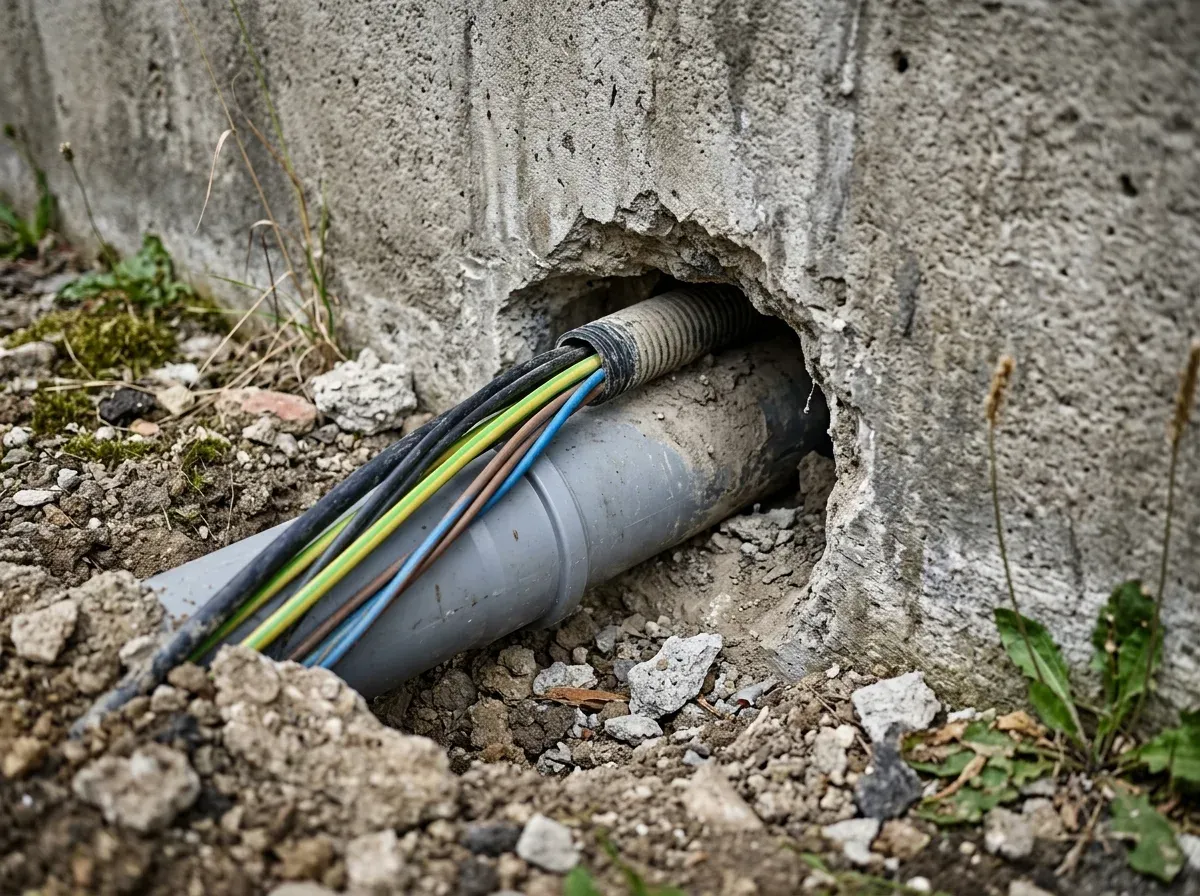
Treatment starts where the animal actually is – these are the first places we check during the survey.

  • A burrow under a concrete slab or the building foundation, along the perimeter

    A burrow under a concrete slab or the building foundation, along the perimeter

  • Drain connections and pipe penetrations through walls

    Drain connections and pipe penetrations through walls

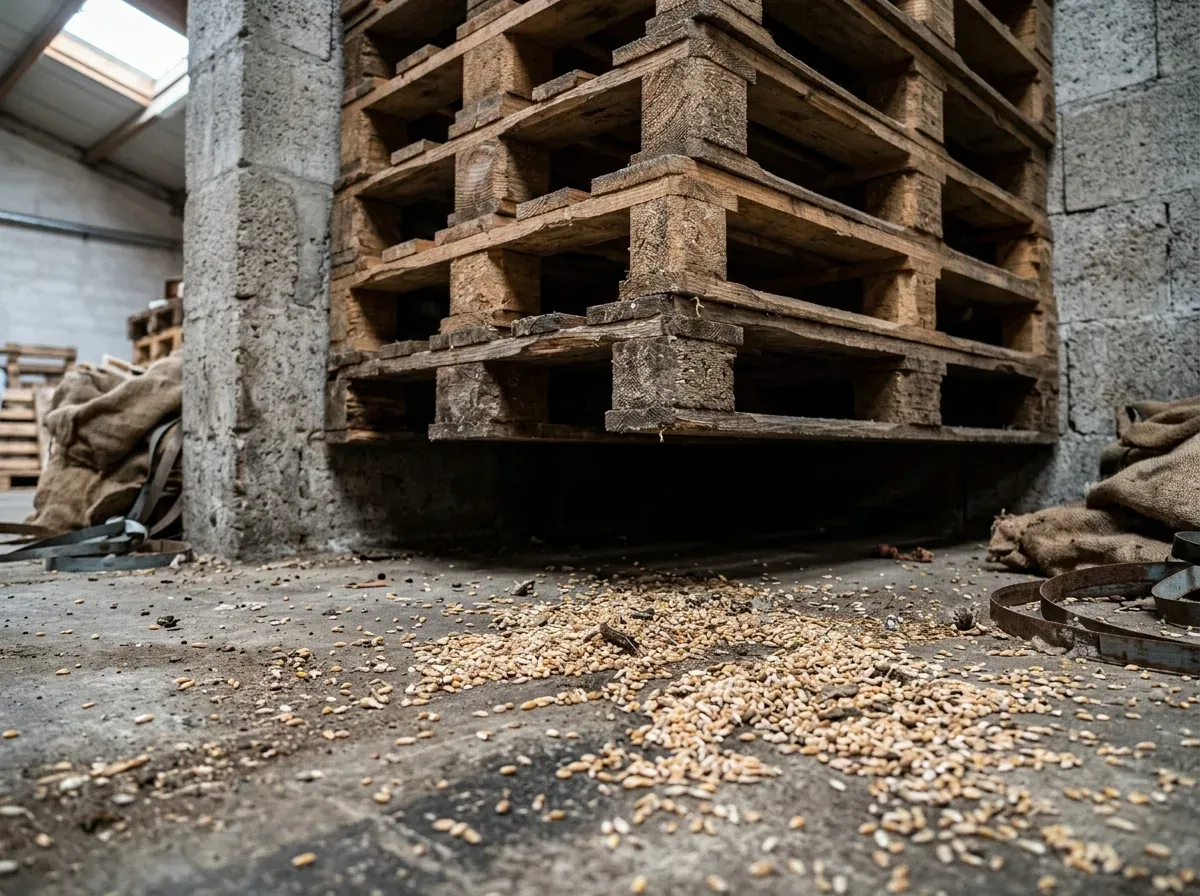
  • Under pallets and storage units against a warehouse wall – the end of the rub-mark trail

    Under pallets and storage units against a warehouse wall – the end of the rub-mark trail

Mouse or Rat?

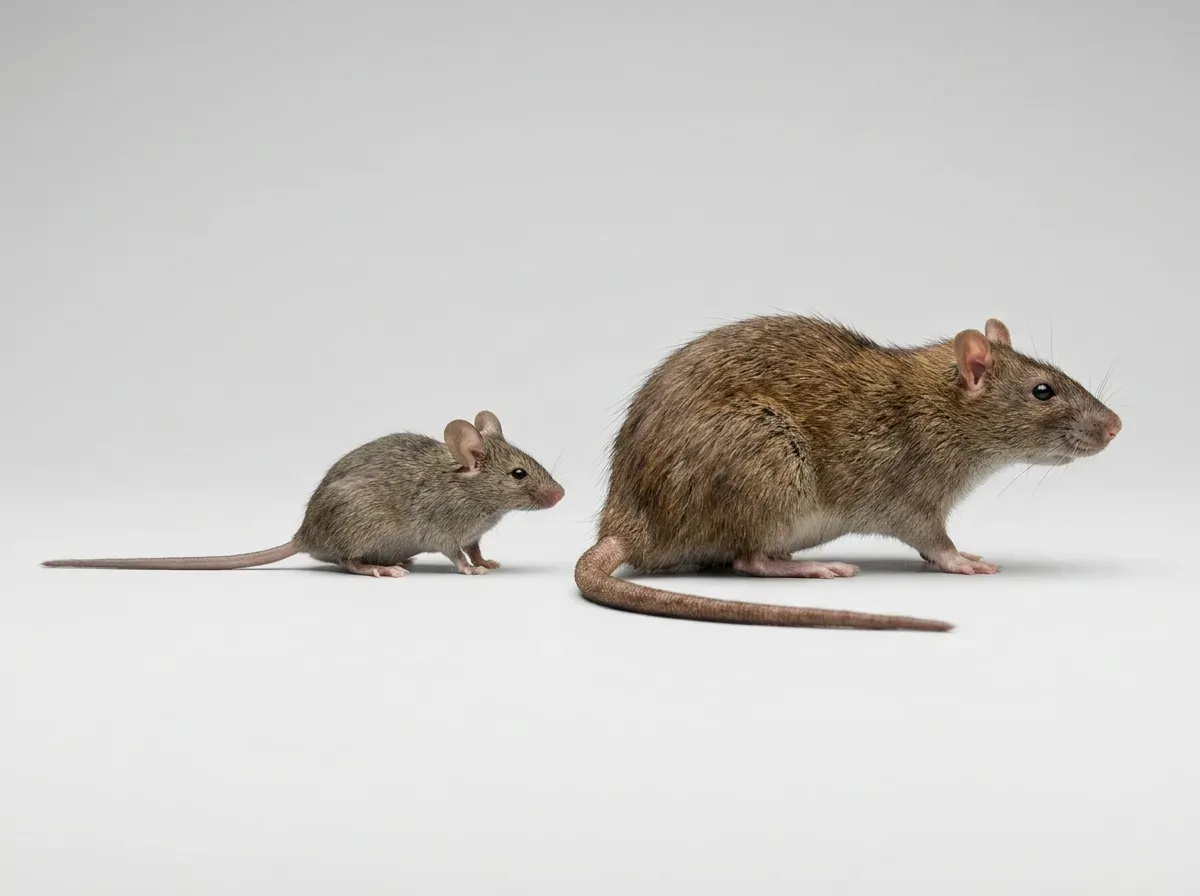
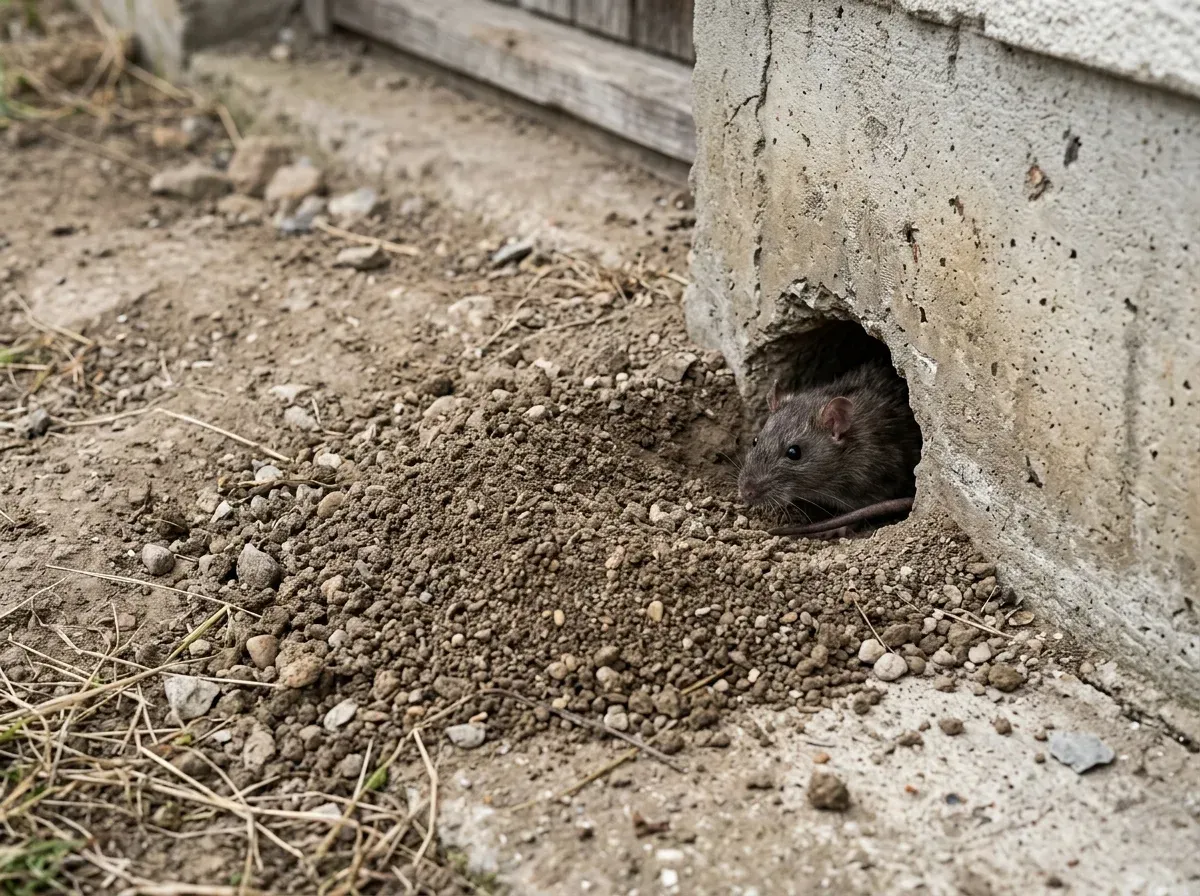
Two similar species in one photo, at the same scale. The difference is not only the name: the two need different treatments.

House mouse and Norway rat side by side, at the same scale
Left: House Mouse · Right: Norway Rat

House MouseLearn more →

  • 7–10 cm body
  • Large, round ears, pointed snout
  • Thin tail, about the same length as the body
  • Rice-grain-sized droppings with a pointed end
  • Small home range, often stays inside the building its whole life

Norway Rat

  • 20–27 cm body
  • Small ears relative to the head, blunt snout
  • Thick, scaly tail, shorter than the body
  • 15–20 mm droppings with a blunt end
  • Comes in from outside, burrows along the perimeter; avoids a new object for days

Size alone can mislead, because a young rat is mouse-sized. The proportions of the ears and tail, and the shape of the droppings, are unambiguous, though – and it matters: a dense indoor point network is the effective tool against the house mouse, perimeter control against the Norway rat.

Frequently asked questions

How does rat control differ from mouse control?

The Norway rat covers a larger area and typically comes in from outside, so perimeter control – a network of lockable bait stations along the boundary of the site – is the effective tool against it. The house mouse, by contrast, has a small home range and often spends its entire life cycle inside the building, which calls for a denser indoor point network. Treatment for one species cannot substitute for the other.

What diseases can it spread?

Rats can spread leptospirosis, murine typhus, viral haemorrhagic fever and trichinosis. In a food-industry setting, the risk of product contamination alone already justifies control.

Can bait be used inside a plant?

Around food-contact surfaces and in high-risk zones, the use of toxic bait is typically not permitted. In these zones we use mechanical traps and glue-board traps; bait is placed on the perimeter, in lockable bait stations.

More from us