Where you encounter it
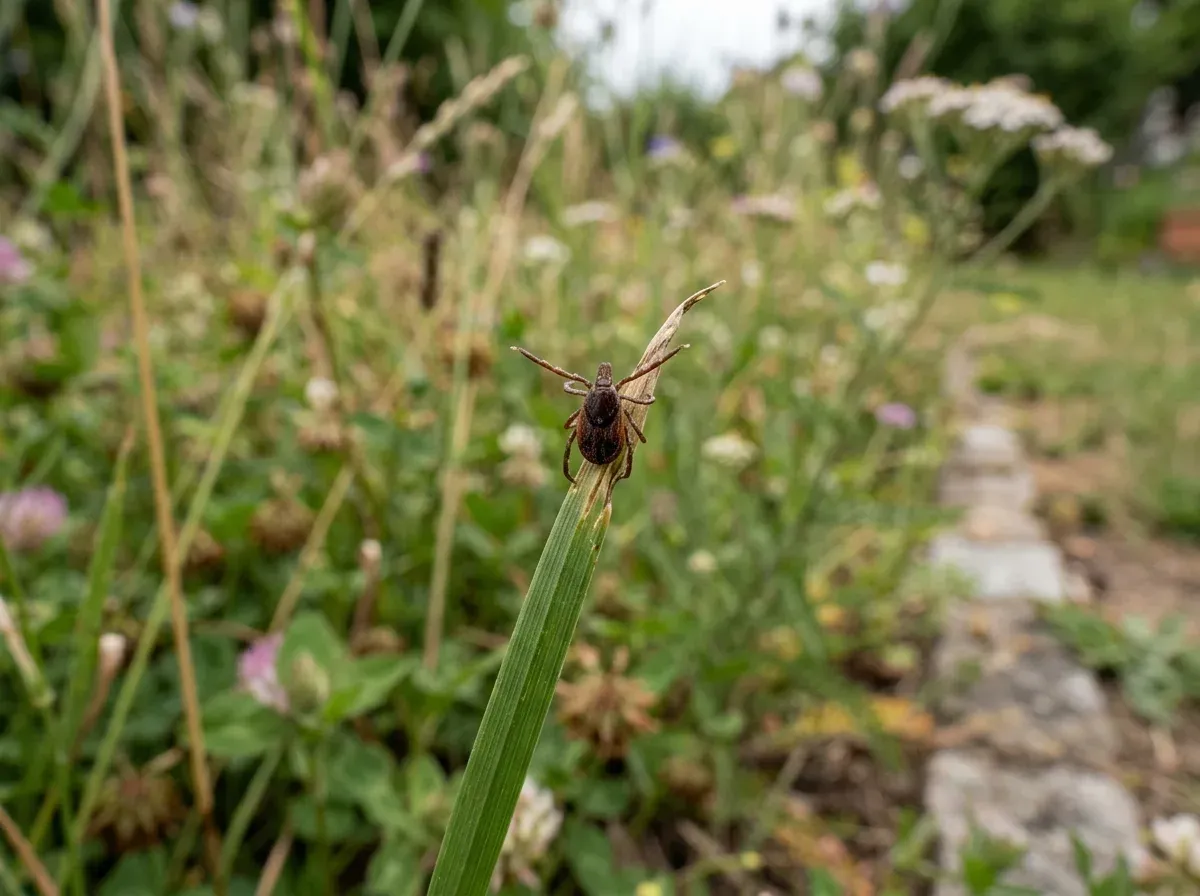
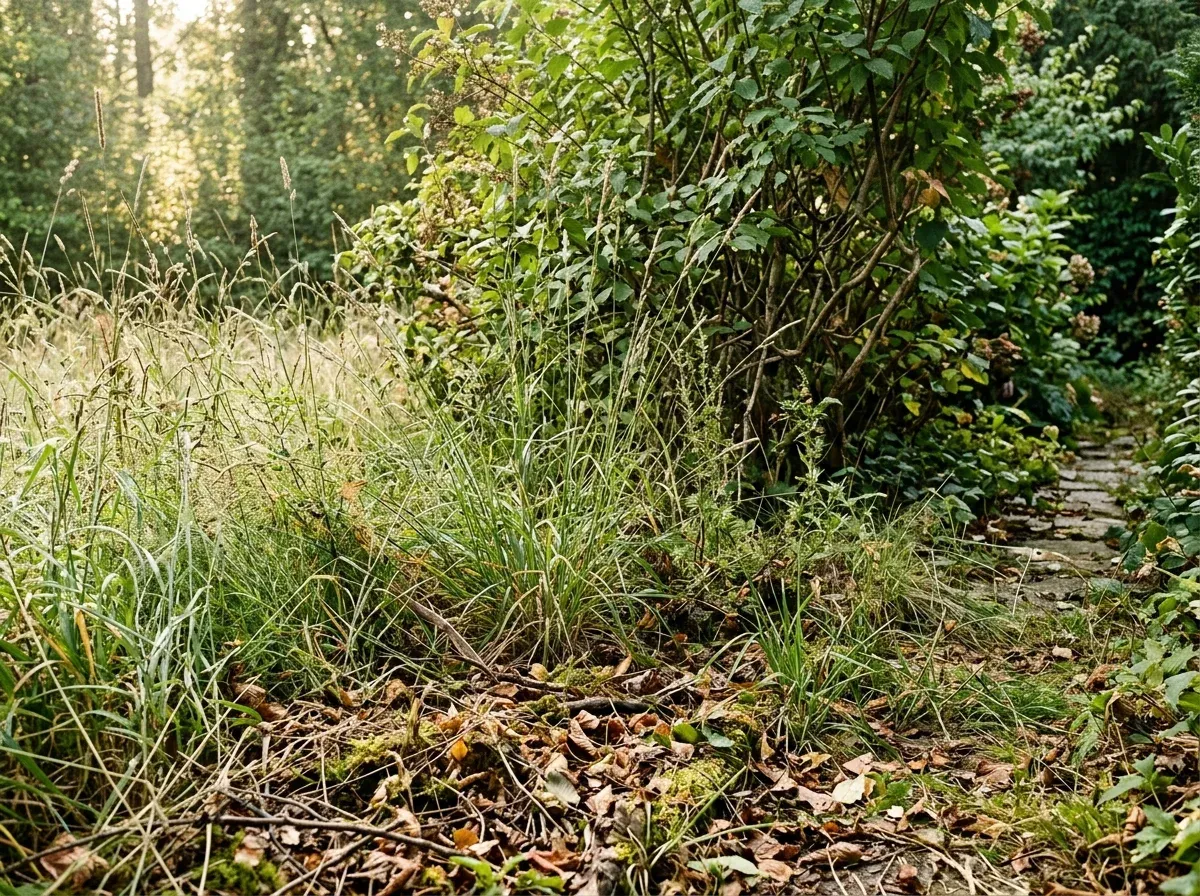
A tick does not fly or jump, and it does not drop onto a person from a tree either. Its method is simple: it climbs a blade of grass or a low shrub branch, typically to a height of 20–80 cm, stretches out its front pair of legs, and waits for a host to pass by. This is called questing.
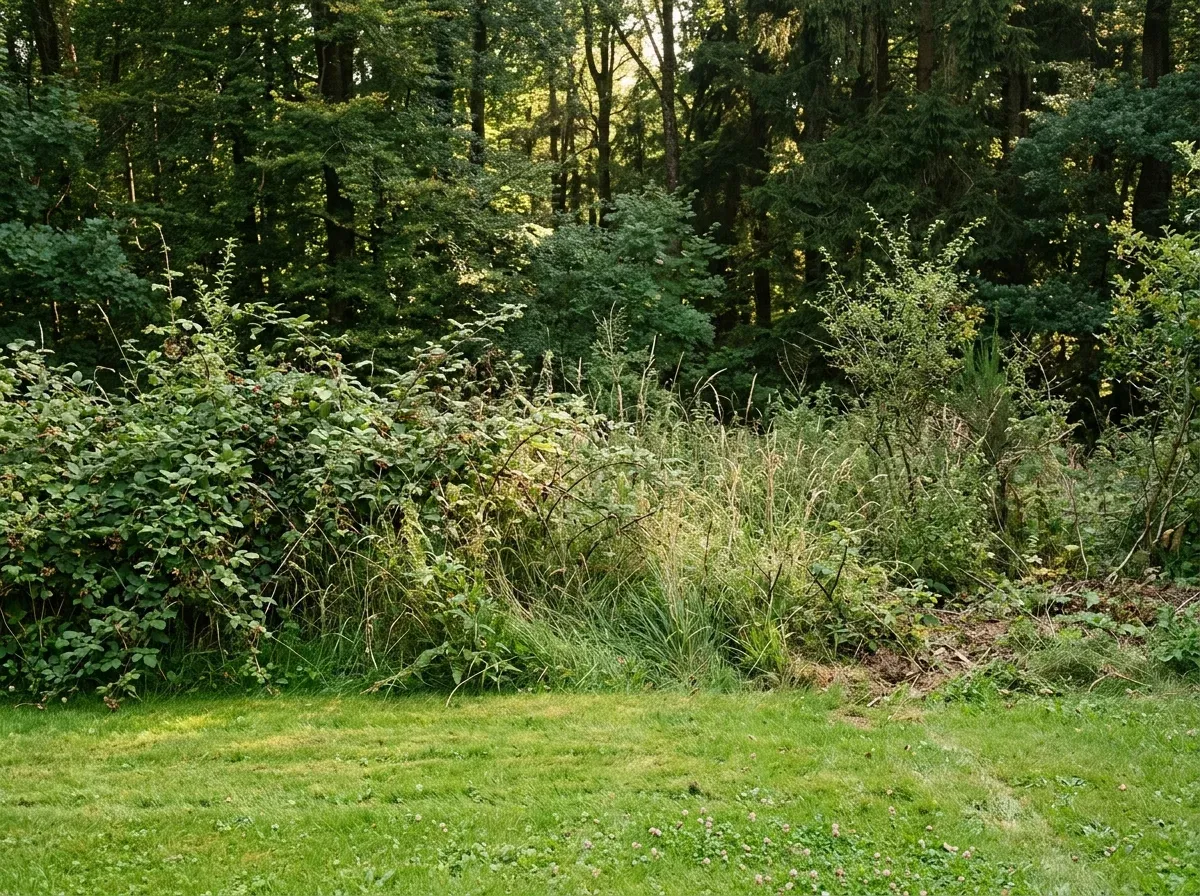
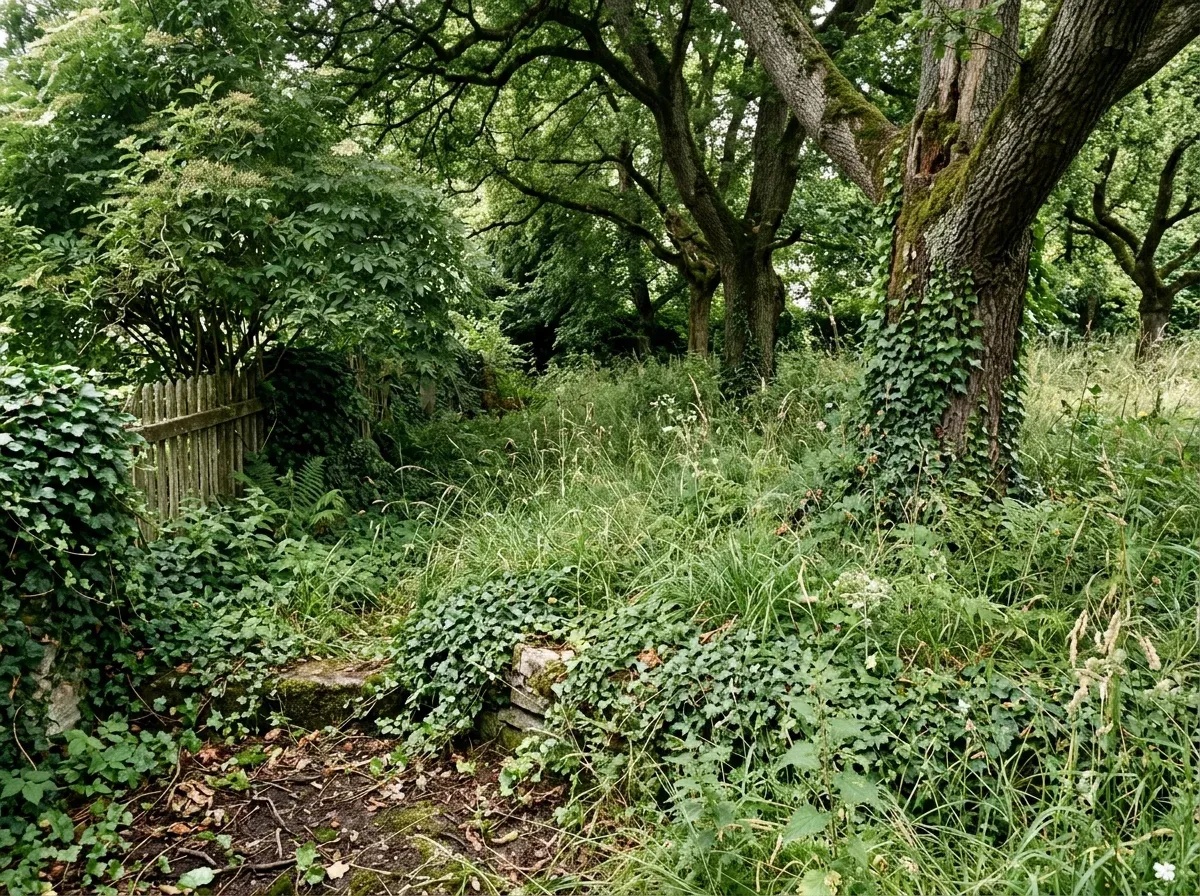
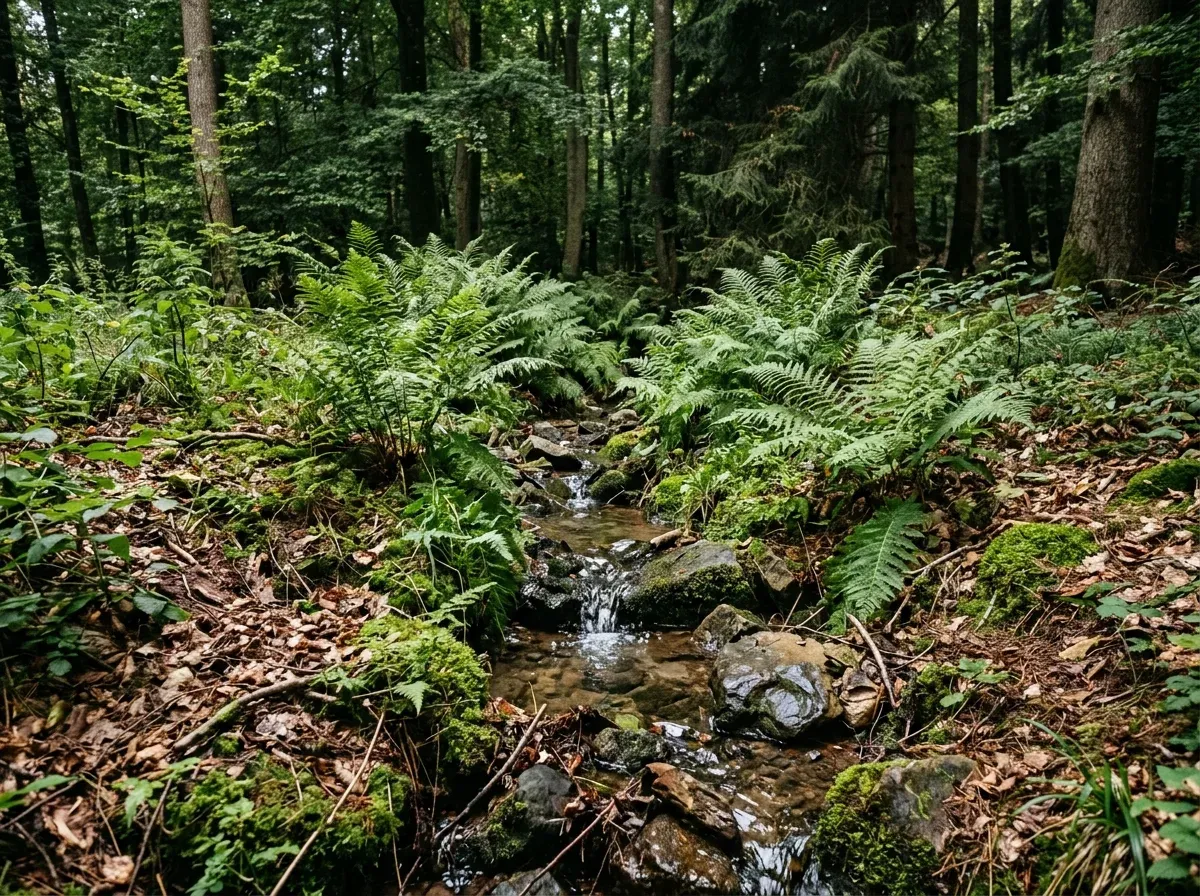
It follows from this where a person picks one up: in tall grass, in leaf litter, in a shrubby transition strip – that is, at the edge of the garden, on the boundary facing woodland or a streamside, and in unmowed, shaded, damp areas. Short, sunlit lawn is considerably less risky.
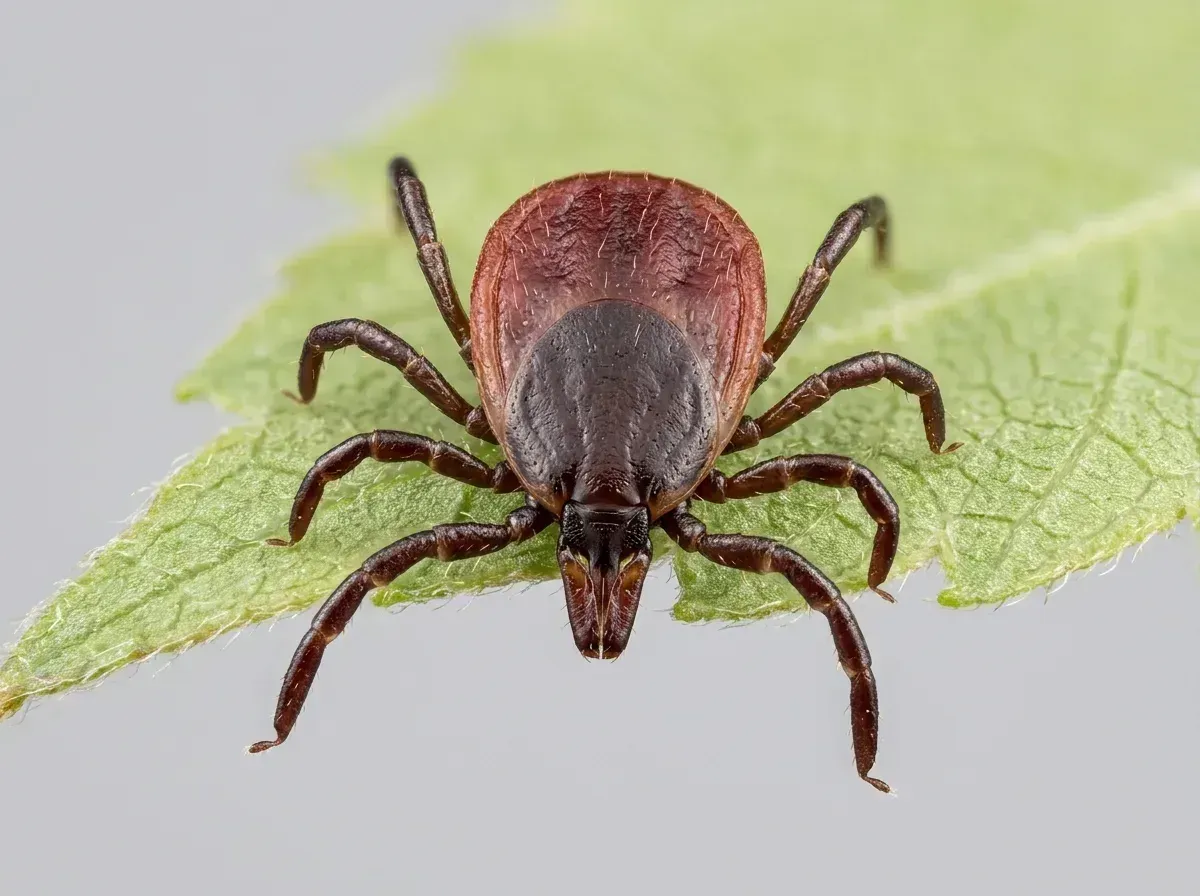
How to recognise it
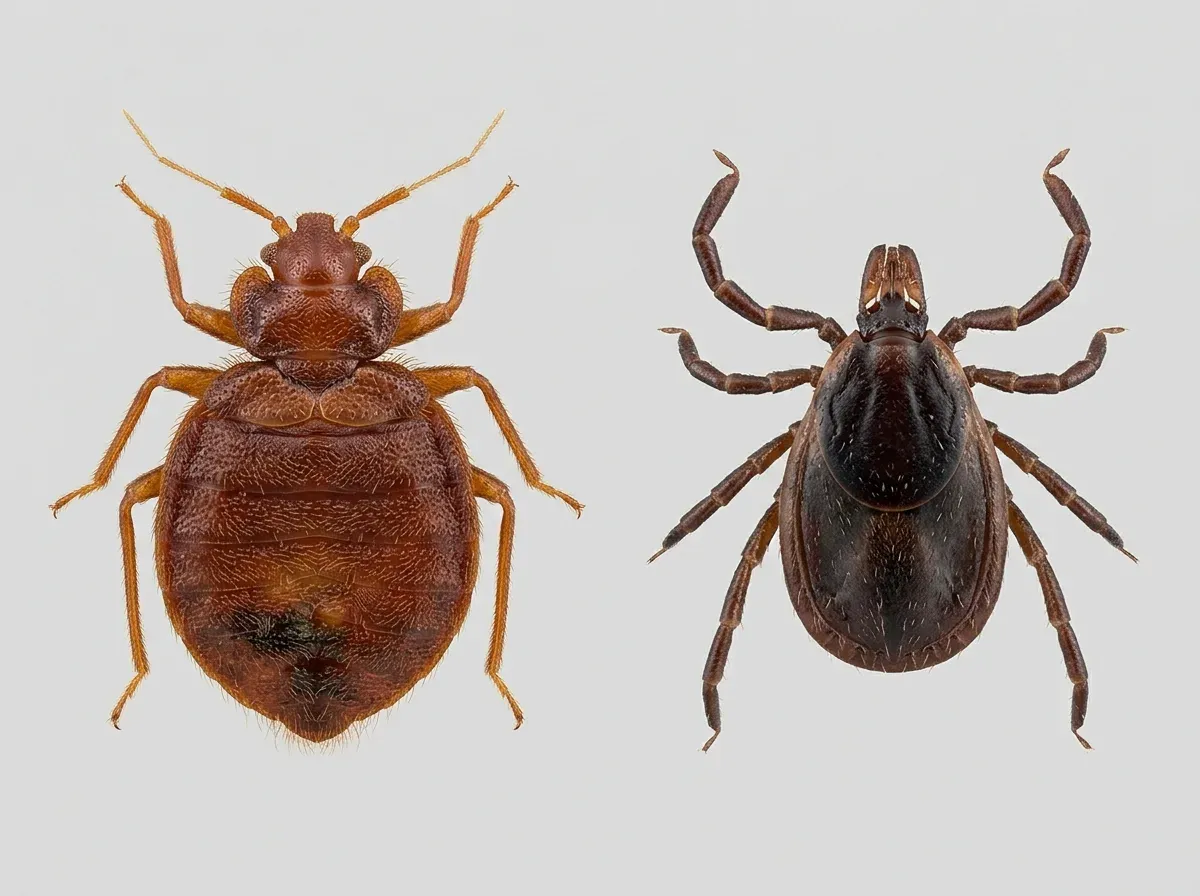
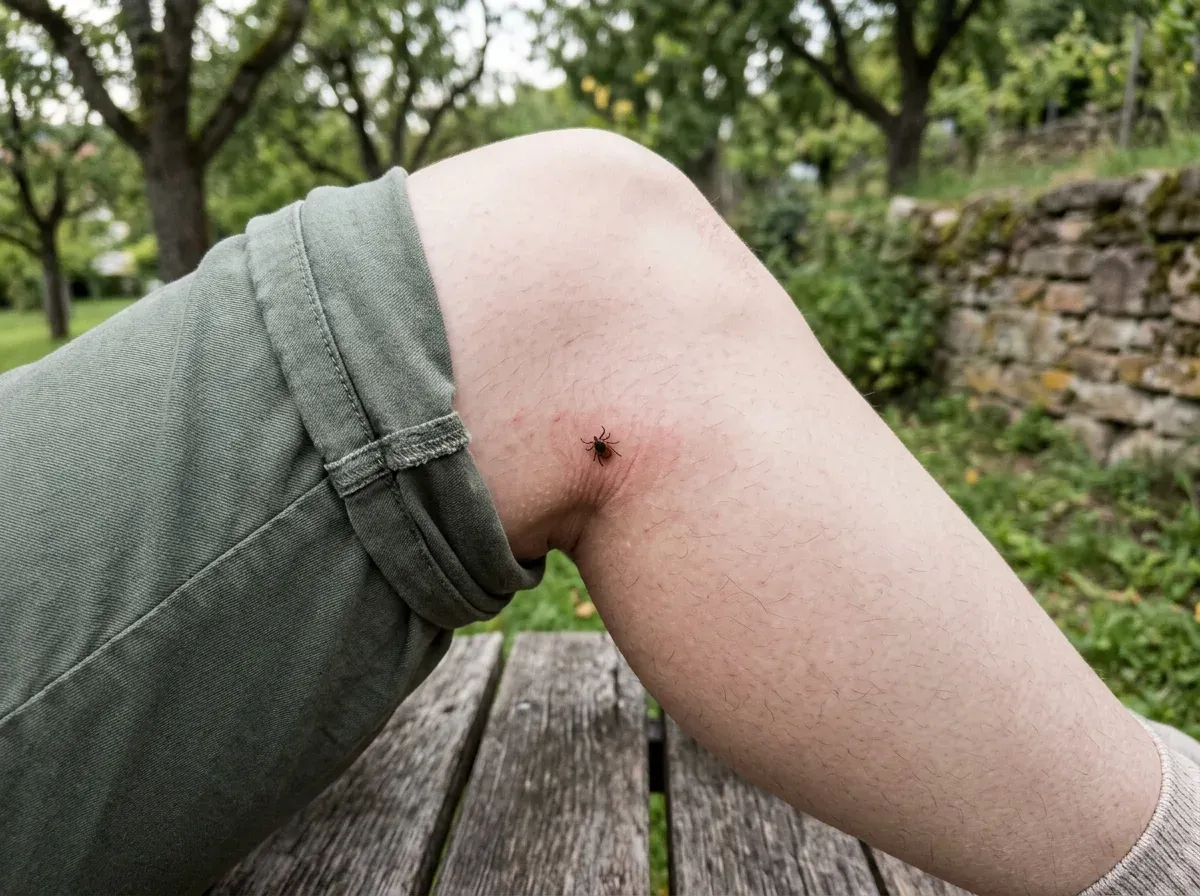
An attached tick is a dark spot, lentil-sized at first, on the skin, which swells as it feeds. It is most often found in skin folds, on the scalp, behind the ear and along the waistline, because it seeks out thinner skin.
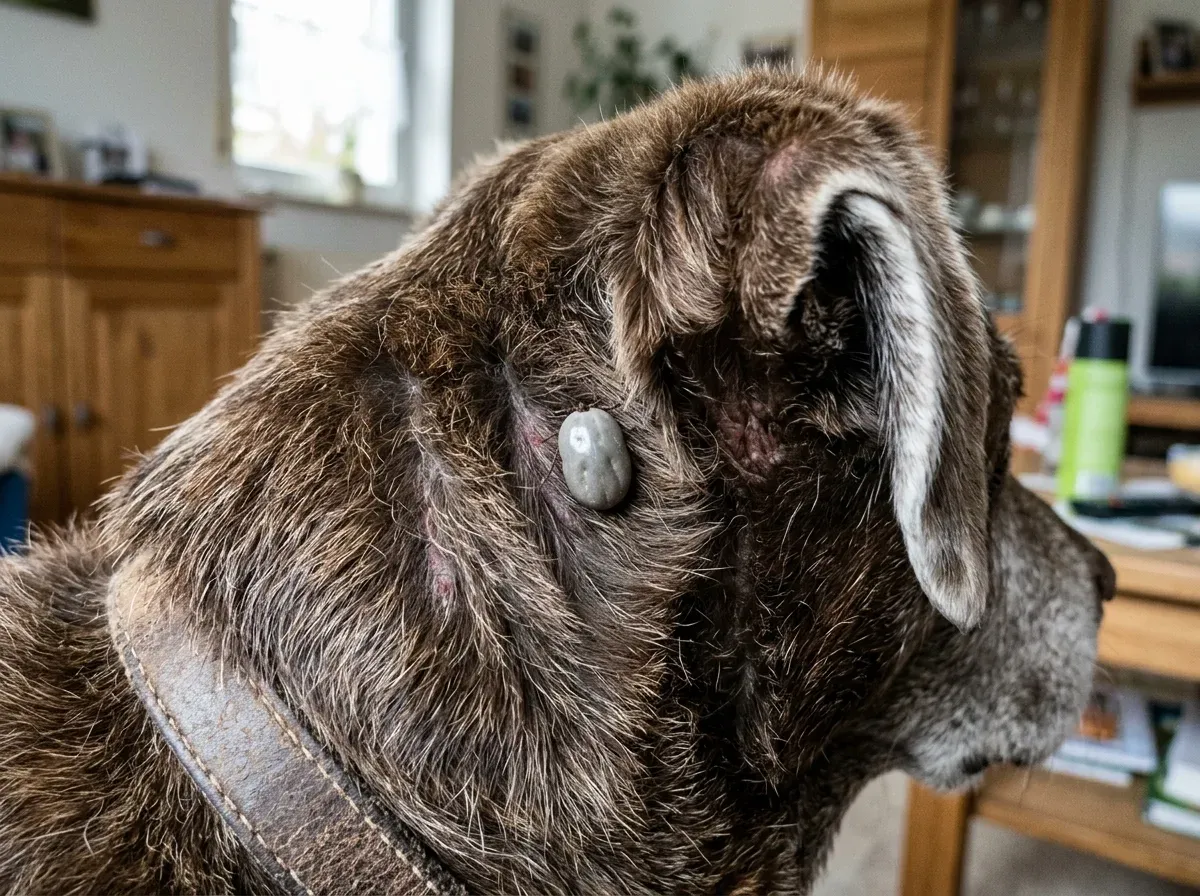
In a garden, the telltale sign is indirect: if you regularly find ticks on your dog or cat, some part of the garden is almost certainly a suitable habitat for it.
Proper removal
Grip it with tweezers, as close to the skin’s surface as possible, and pull it out with steady force. Do not squeeze or twist the tick’s body.
Do not use oil, nail polish, alcohol or heat. These cause the tick to empty its gut contents into the wound, which increases exactly the risk you’re trying to reduce by removing it. After removal, disinfect the bite site and monitor it for a few weeks; see a doctor if any symptoms appear.
What can be done in a garden or green space
Eliminating ticks entirely is not a realistic goal, because new ticks keep arriving from the surroundings and from wild host animals. Density can, however, be meaningfully reduced, and the order matters here:
- Regular mowing, especially in the parts of the area that are actually used.
- Removing leaf litter and cut plant material – not piling it at the edge of the garden, because that creates exactly the ideal habitat.
- Maintaining the transition strip bordering woodland, shrubs or a streamside; this is the few-metre-wide strip that most ticks come from.
- After these, as a supplement, targeted treatment of the transition strip.
This order cannot be reversed: treating an unkempt, overgrown area on its own achieves only a temporary result, because the habitat itself remains unchanged.
In municipal green spaces, institutional grounds and industrial recreation areas, ARZÉN Kft. carries out treatment in line with the mowing schedule, and documents the intervention.