
Mice: Signs & Mouse Control

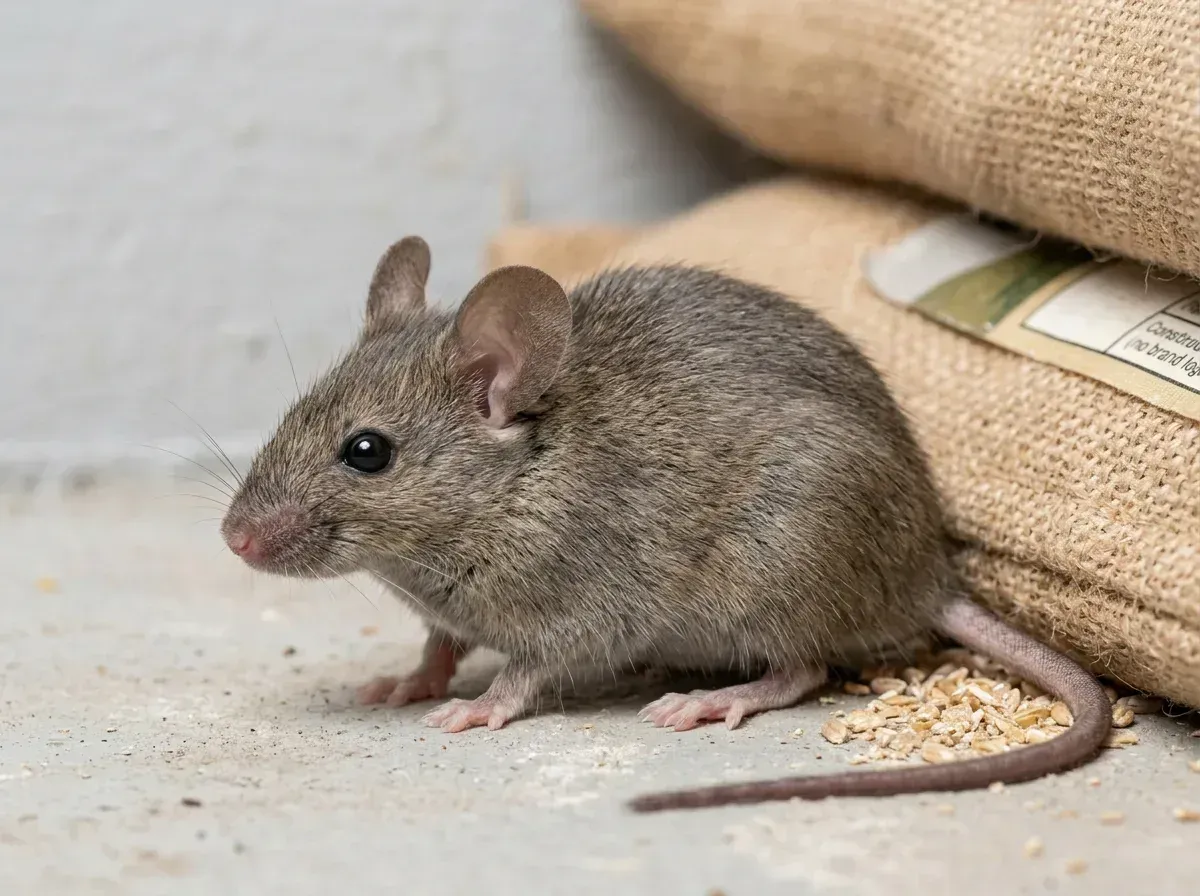
The house mouse has a small home range and often spends its entire life cycle inside a building, so a dense indoor network of points is the effective tool against it. Its droppings are rice-grain-sized with a pointed end; along with that, gnaw marks on packaging and cables, nesting material in hidden spaces, and night-time noise in a suspended ceiling give away its presence.

Mice (Mus musculus)
Mus musculus

How to recognise it

Compare it with what you found. If you are not sure, send us a photo – a preliminary identification means we arrive with the right method from the start.

  1. Rice-grain-sized droppings with a pointed end

    1Rice-grain-sized droppings with a pointed end

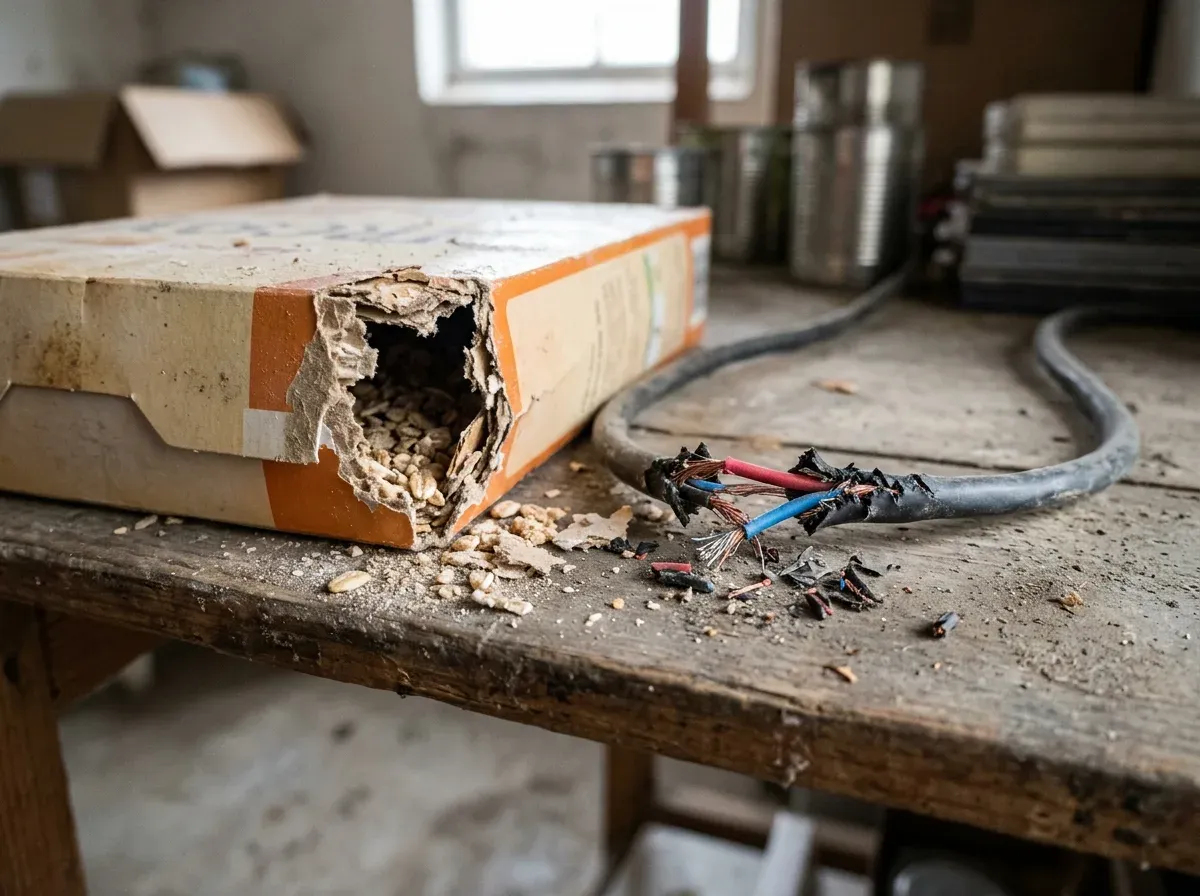
  2. Gnaw marks on packaging and cables

    2Gnaw marks on packaging and cables

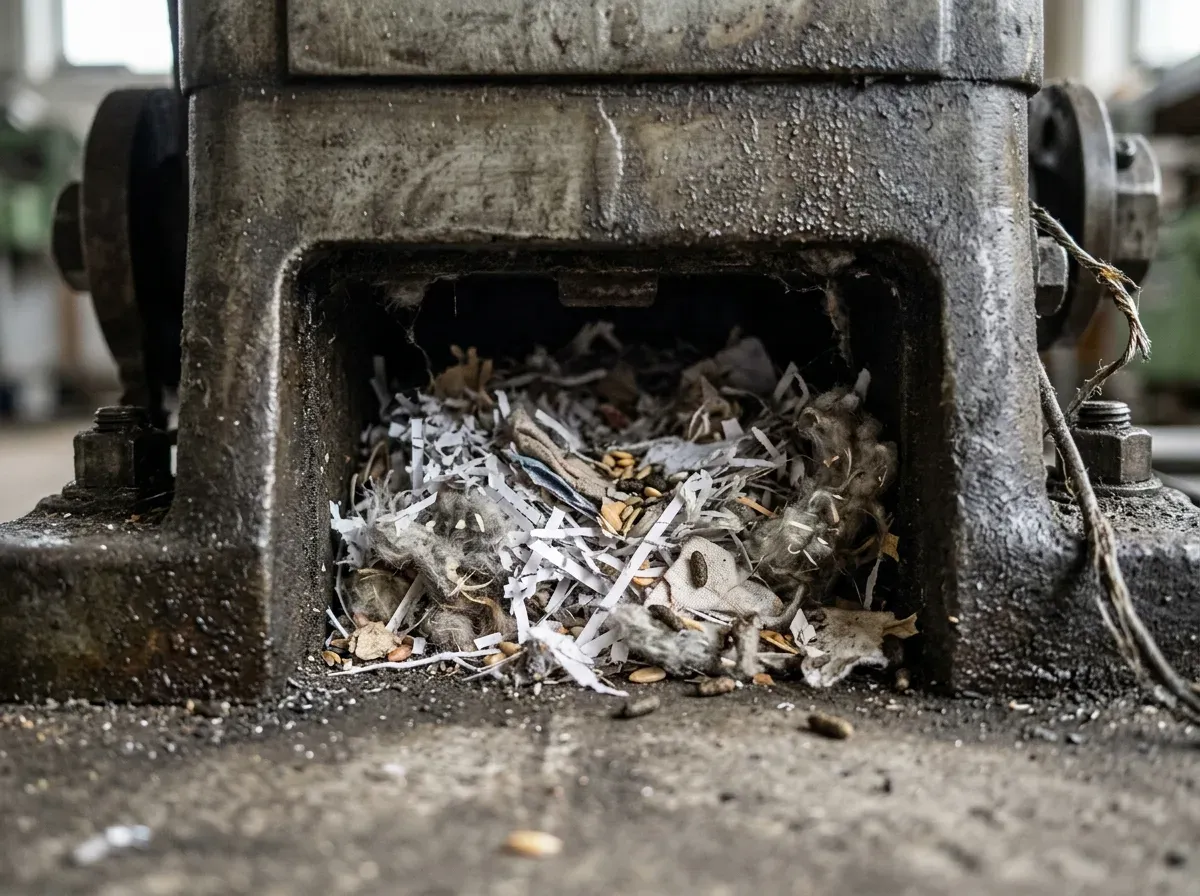
  3. Nesting material in hidden spaces, under equipment bases

    3Nesting material in hidden spaces, under equipment bases

  • Not a visible sign

    Night-time noise in a suspended ceiling

It lives inside, it doesn’t just pass through

Unlike the rat, the house mouse often spends its entire life cycle inside a building: it nests there, feeds there, and its home range is typically a few metres around the nest. This has two consequences.

The first: perimeter control – the effective tool against the rat – will not catch it on its own. The point network has to sit indoors, densely spaced, matched to its home range.

The second: sealing entry points matters a great deal. A mouse fits through a gap of just a few millimetres, and in most buildings these gaps are identifiable and can be sealed – utility penetrations, the gap under a door, ventilation grilles, cable entries.

How to recognise it

  • Droppings – rice-grain-sized, dark, with a pointed end. This is the easiest way to tell a mouse apart from a rat: the rat’s droppings are much larger and blunt-ended.
  • Gnaw marks – on packaging, cables, insulation. The mouse gnaws continuously because its incisors keep growing throughout its life.
  • Nesting material – finely shredded paper, textile and insulation in hidden spaces: under equipment bases, in suspended ceilings, between pallets.
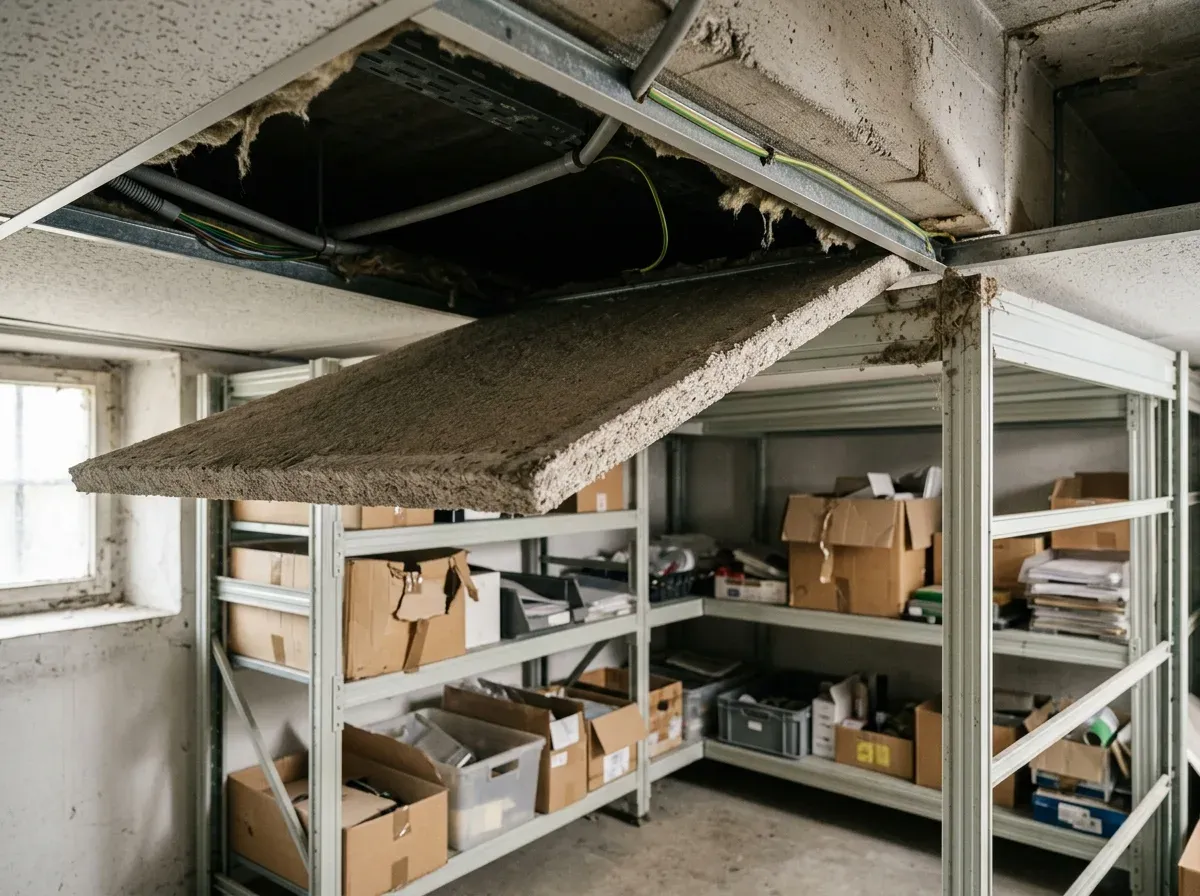
  • Noise – night-time scratching in a suspended ceiling or inside a wall structure.

In an industrial setting

Visual inspection is the weakest tool here: by the time a live mouse is seen, the population has already established itself. ARZÉN Kft. therefore relies on a permanent network of numbered monitoring points, which it checks on a schedule, and shows from the trend in catch data which zone is seeing increasing pest pressure.

Around food-contact surfaces and in high-risk zones, the use of toxic bait is typically not permitted – in these spaces we use mechanical traps and glue-board traps.

In a private home

For a house and garden, we also contract directly with the owner. The practical order is the same there too: first sealing entry points and removing food sources, then placing bait or traps. In the reverse order, treatment will have to start over.

Where it hides, where it comes from

Treatment starts where the animal actually is – these are the first places we check during the survey.

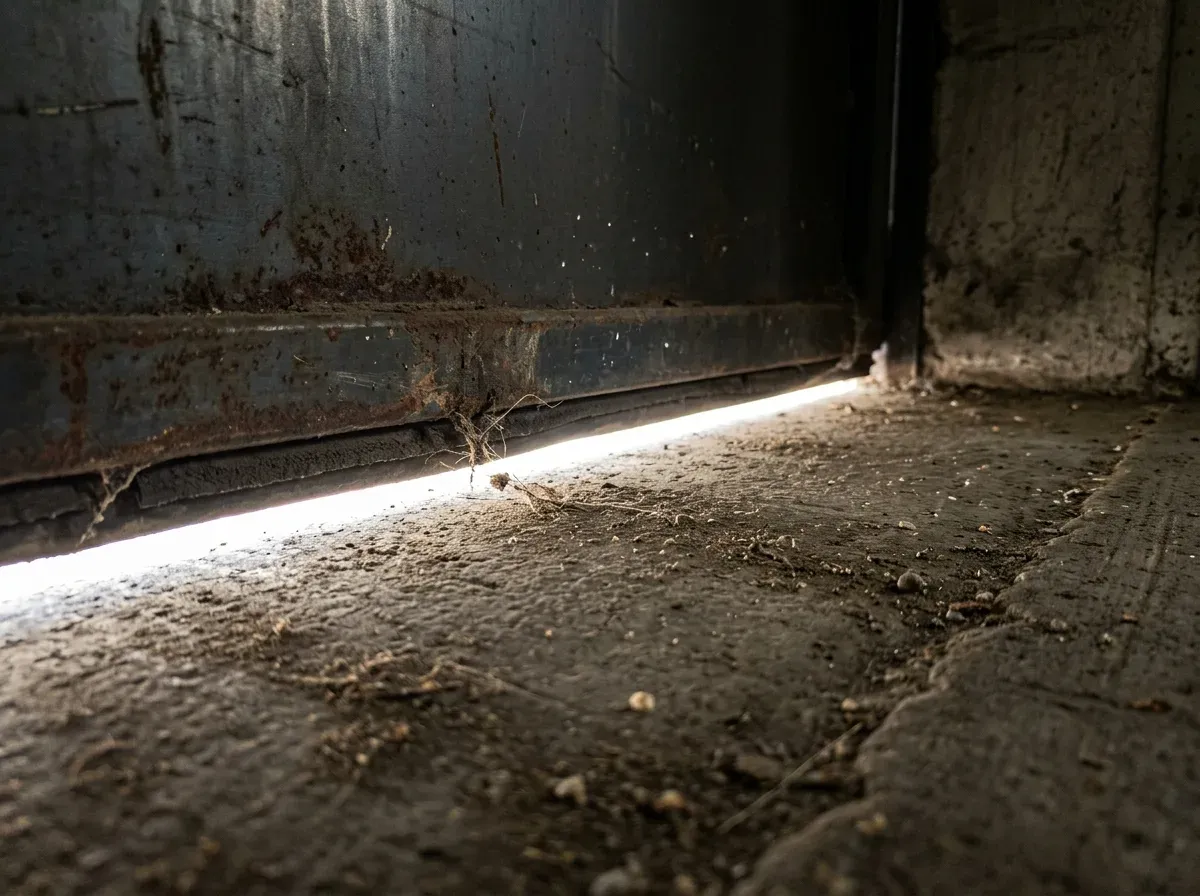
  • A pencil-width gap under a door or at a gate seal – enough for it to get in

    A pencil-width gap under a door or at a gate seal – enough for it to get in

  • Cavities under cable trays and equipment bases, with nesting material

    Cavities under cable trays and equipment bases, with nesting material

  • Suspended ceilings and the back corners of warehouse shelving

    Suspended ceilings and the back corners of warehouse shelving

Mouse or Rat?

Two similar species in one photo, at the same scale. The difference is not only the name: the two need different treatments.

House mouse and Norway rat side by side, at the same scale
Left: House Mouse · Right: Norway Rat

House Mouse

  • 7–10 cm body
  • Large, round ears, pointed snout
  • Thin tail, about the same length as the body
  • Rice-grain-sized droppings with a pointed end
  • Small home range, often stays inside the building its whole life

Norway RatLearn more →

  • 20–27 cm body
  • Small ears relative to the head, blunt snout
  • Thick, scaly tail, shorter than the body
  • 15–20 mm droppings with a blunt end
  • Comes in from outside, burrows along the perimeter; avoids a new object for days

Size alone can mislead, because a young rat is mouse-sized. The proportions of the ears and tail, and the shape of the droppings, are unambiguous, though – and it matters: a dense indoor point network is the effective tool against the house mouse, perimeter control against the Norway rat.

Frequently asked questions

How small a gap can it get through?

A very small one. A house mouse can fit through any opening wider than its skull; in practice that means a gap of just a few millimetres: a utility penetration, the gap under a door, a ventilation grille, a cable entry. So sealing entry points is at least as much a part of protection as placing the points.

What diseases can it spread?

Mice can spread, among other things, lymphocytic choriomeningitis, salmonellosis and tularaemia. In a food-industry setting, the risk of product contamination alone already justifies control.

Why aren't a few points enough?

Because the mouse has a small home range – typically a few metres from the nest. A sparse point network simply doesn't cover that range, and the catch data stays low even if the population is present. That's why we size the point density to the species' home range, not to the area of the site.

More from us