
How to recognise it
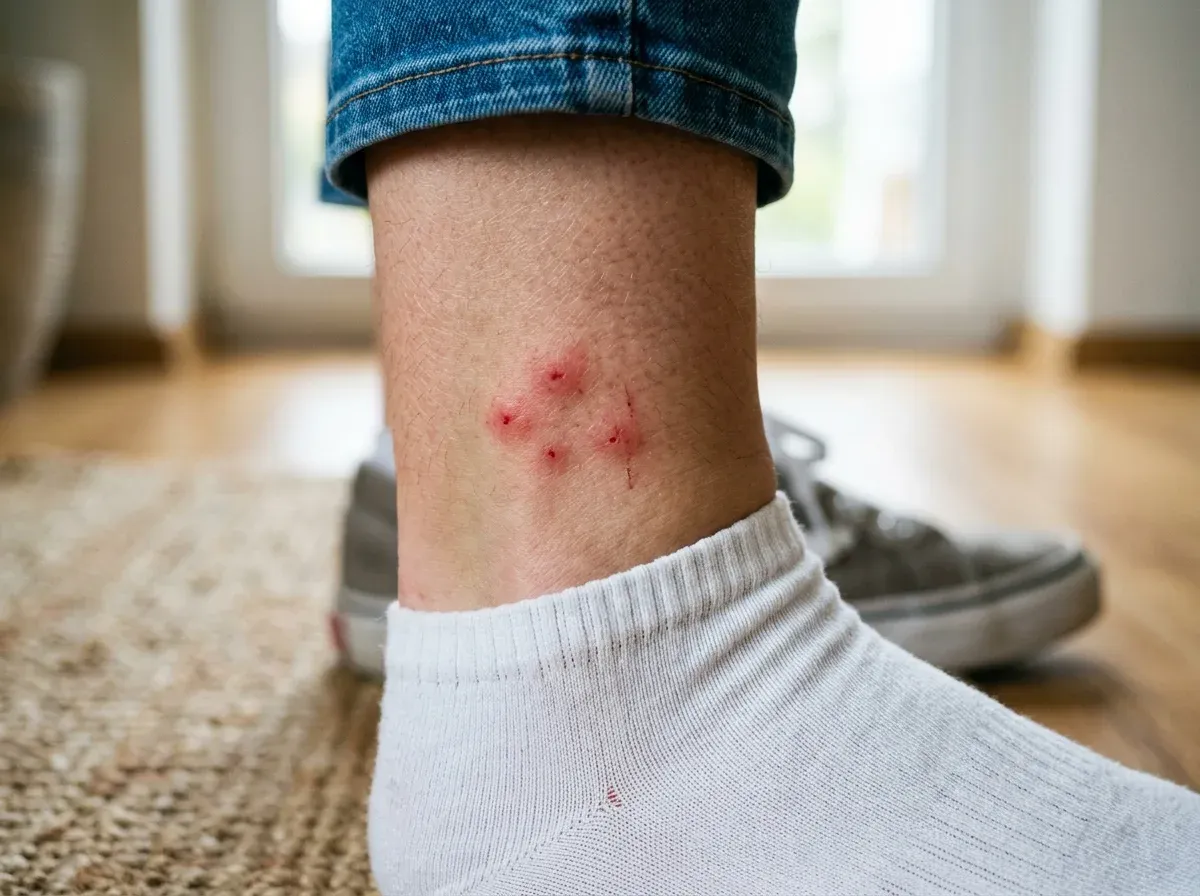
The most reliable sign is the pattern of the bites themselves: small, intensely itchy bites, often with a dark dot at the centre, that appear in clusters of two or three, typically at ankle and shin height. This happens because the flea does not fly – it jumps up from the floor or from textiles close to the floor.
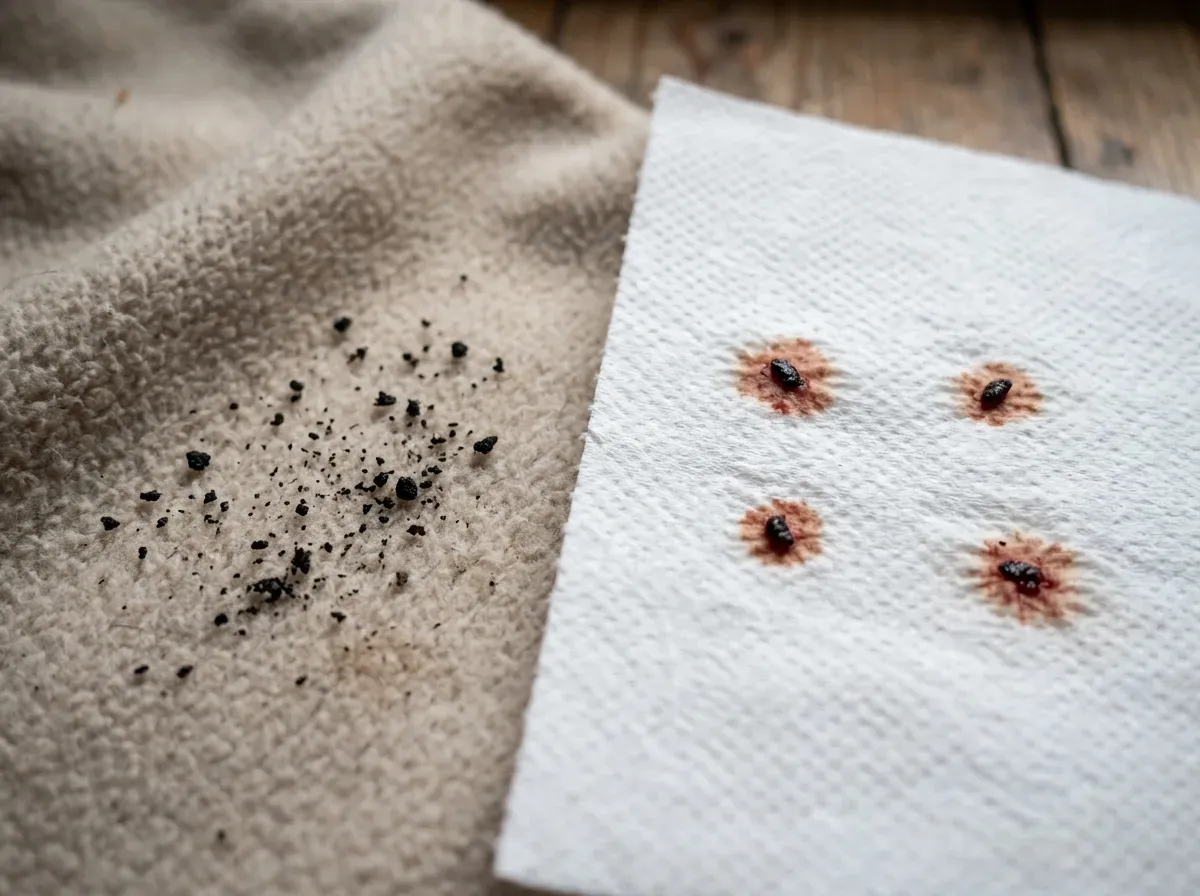
The second sign is flea dirt: dark, crumb-like grains on the pet’s bedding, in the carpet or on upholstery. Placed on damp, light-coloured paper, they leave a reddish-brown halo because they contain digested blood – which is what tells them apart from ordinary dust.
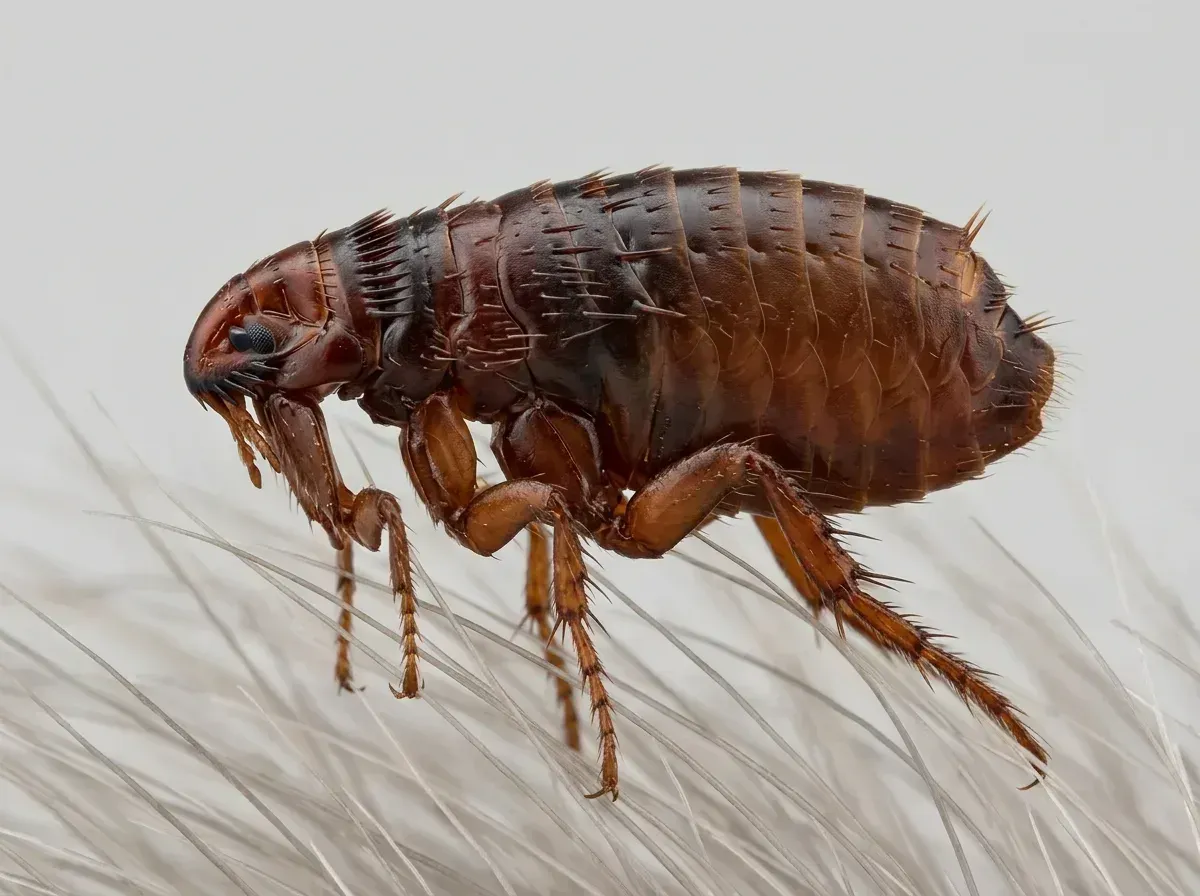
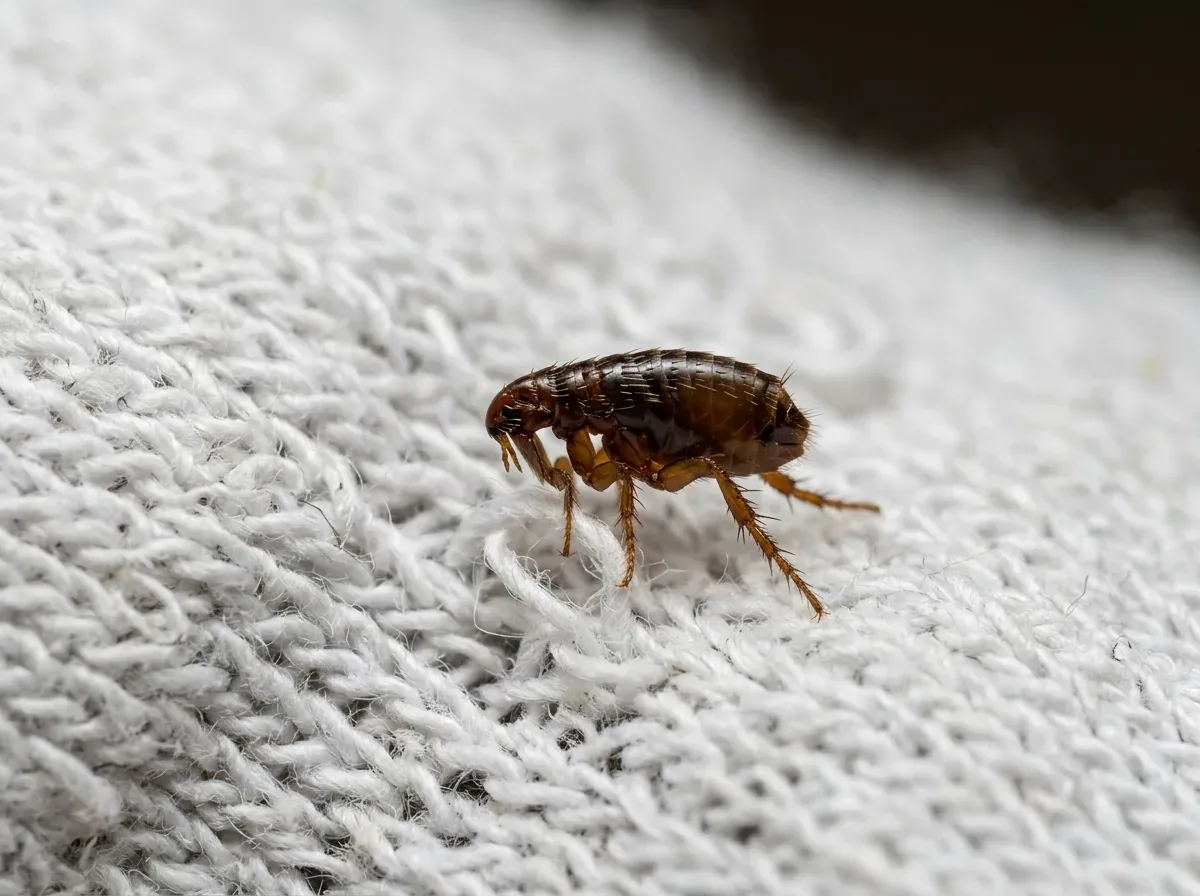
The insect itself is 1–3 mm long, flattened side to side, dark brown, and a strikingly good jumper.
Why treating the pet isn’t enough
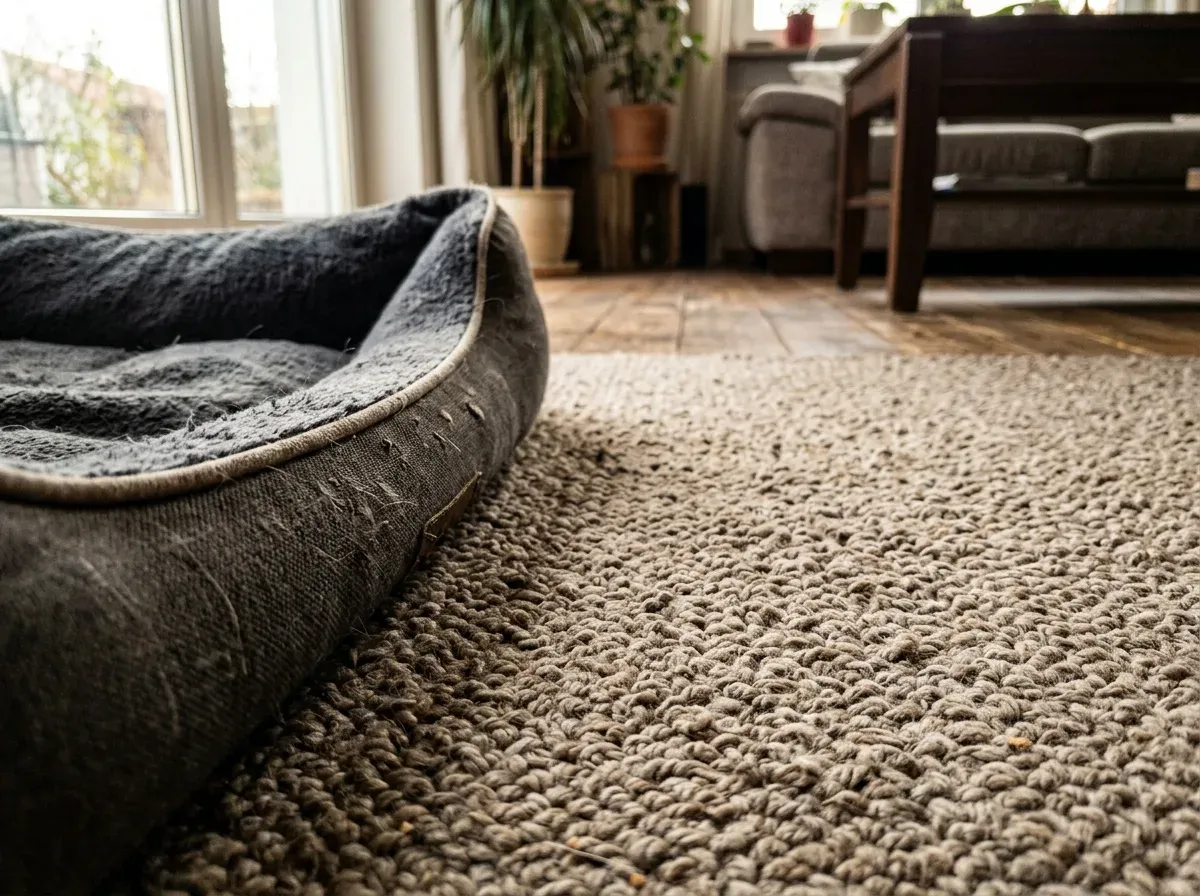
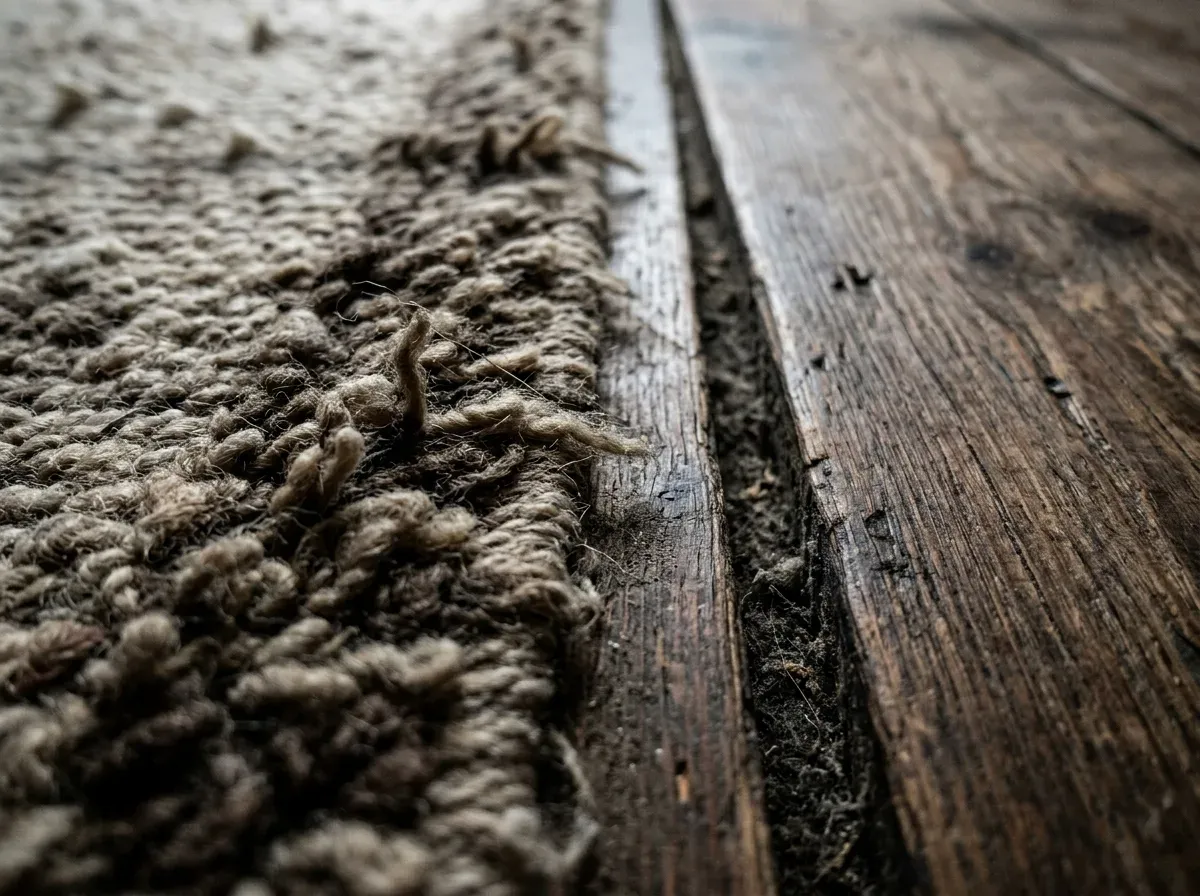
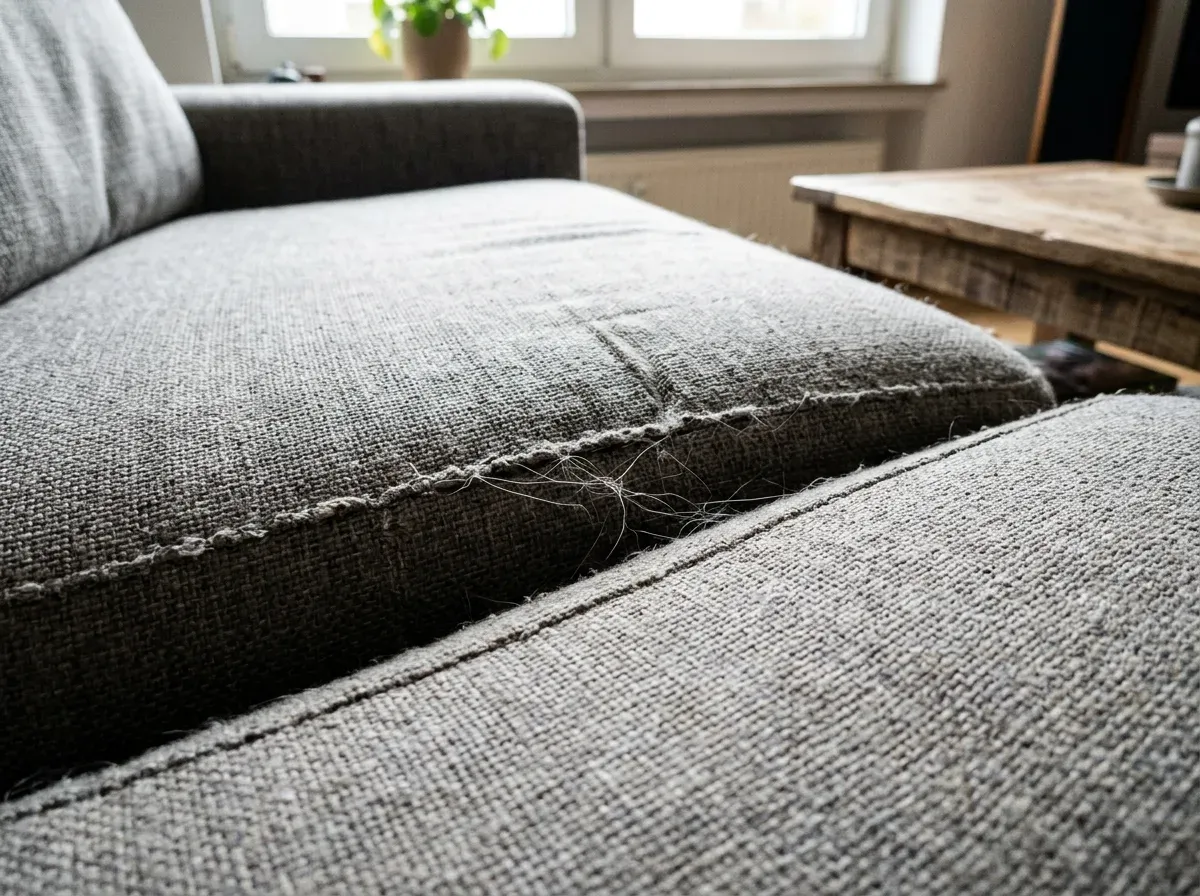
This is the most important and most commonly misunderstood point in flea control. The adult fleas visible on the pet are only a fraction of the total population. The eggs fall off the pet and continue developing wherever the pet spends time: among the carpet fibres, in floor gaps, in upholstery, and around its bedding and resting spots.
This is why bites can continue even after veterinary treatment: the pet is clean, but the home is not.
Why they all hatch at once
As a pupa, a flea can wait for a long time, and it hatches in response to vibration and carbon dioxide – in other words, to the signal that a host is approaching. This explains two characteristic scenarios: a family returning from holiday, or a new tenant moving into a flat that had been quiet, is met immediately with a mass of bites.
What treatment involves
Lasting results require treating the home together with mechanical preparation. Vacuuming – especially the carpet, floor gaps, upholstery and the area around the pet’s bedding – removes a significant share of the pupae, and its vibration triggers the rest to hatch, which makes the treatment more effective. The vacuum bag should be removed from the home immediately after use.
If the source is not a pet but a rodent nest, flea control on its own only treats the symptom: the problem returns, so it has to be planned together with rodent control.