It’s not the spider that’s the problem, it’s what it signals
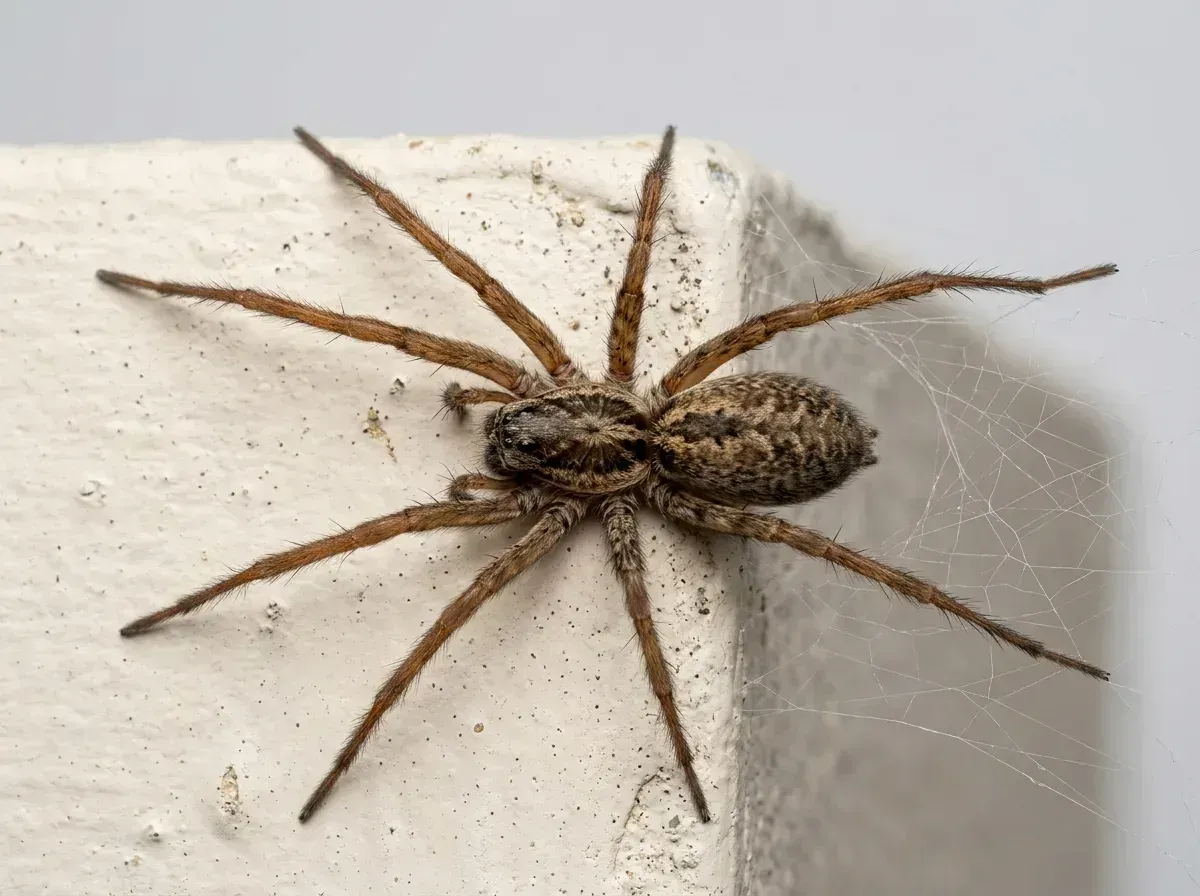
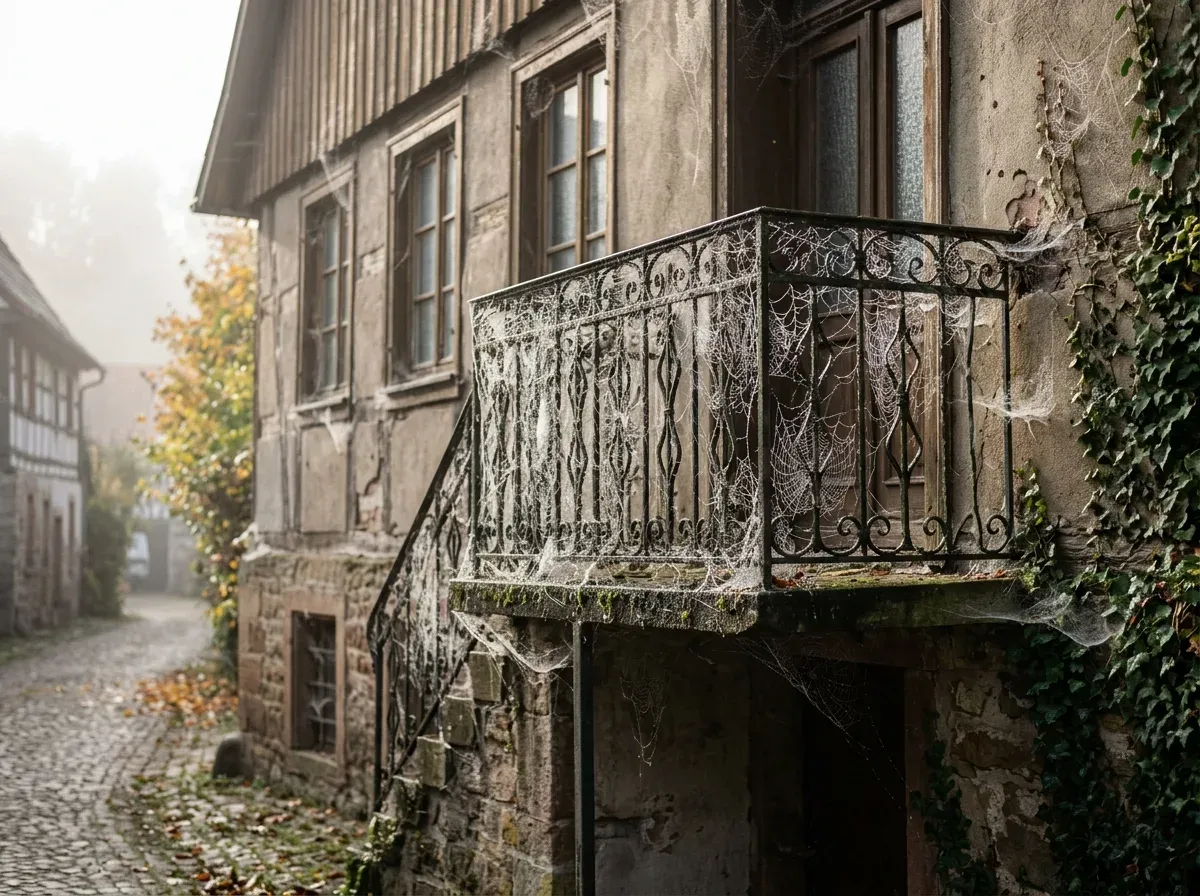
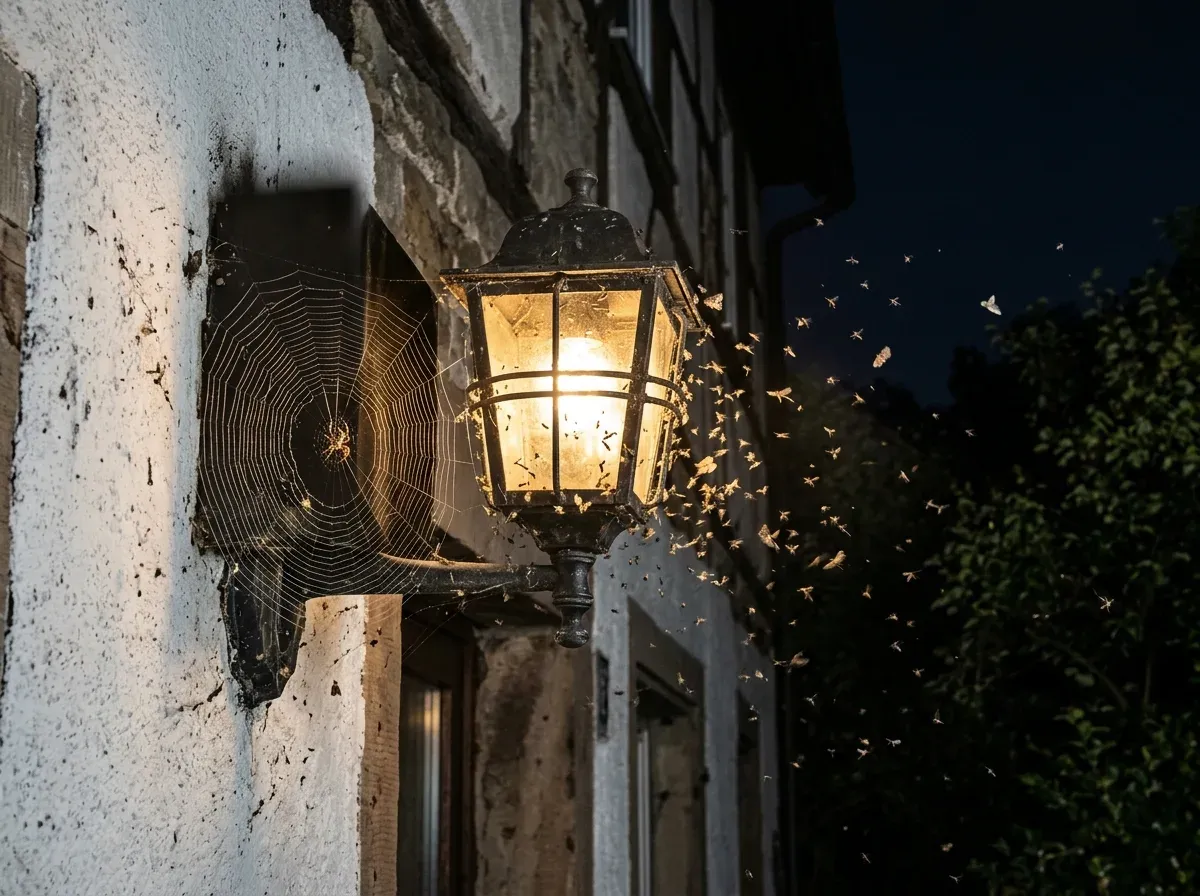
A spider is a predator: it settles and stays wherever there is something to eat. This is why a larger spider population appearing in a home or a plant is rarely the problem on its own – it’s much more a signal that there are plenty of flying insects around.
This is why treating spiders on their own is consistently disappointing. If the food source remains, the area repopulates. If there are fewer flying insects, the spider population thins out on its own.
Is it dangerous?
The species found in Hungary are practically harmless to people. Bites are rare and typically only occur if the animal is trapped between the skin and a surface. The health risk is therefore negligible – but the nuisance factor and industrial compliance are real concerns.
Why it shows up in early autumn
Two causes act together. Individuals that hatched in spring have grown by early autumn, so they become more visible. At the same time they are more actively searching for a mate, which means more movement and more conspicuous individuals.
This autumn picture is misleading: there aren’t necessarily more spiders, the existing ones are just larger and more active.
In a food-industry setting
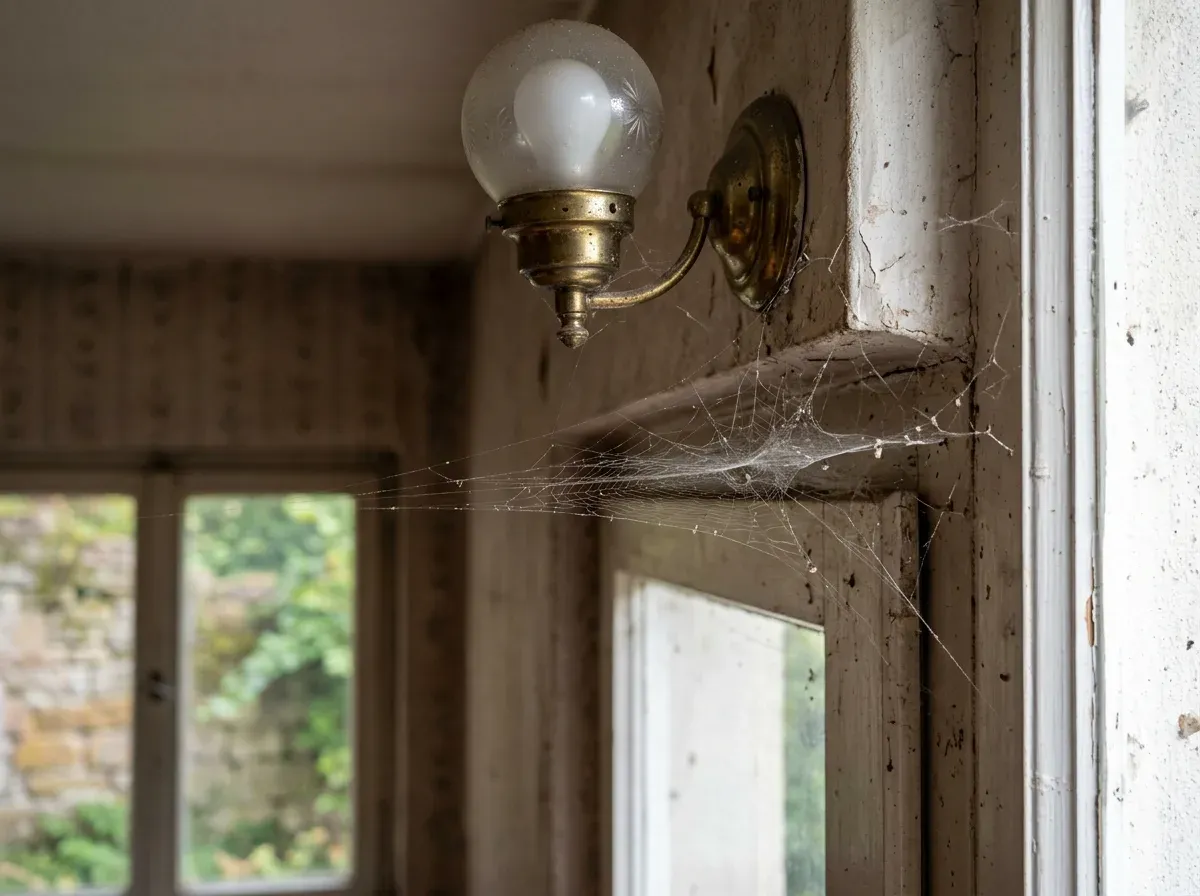
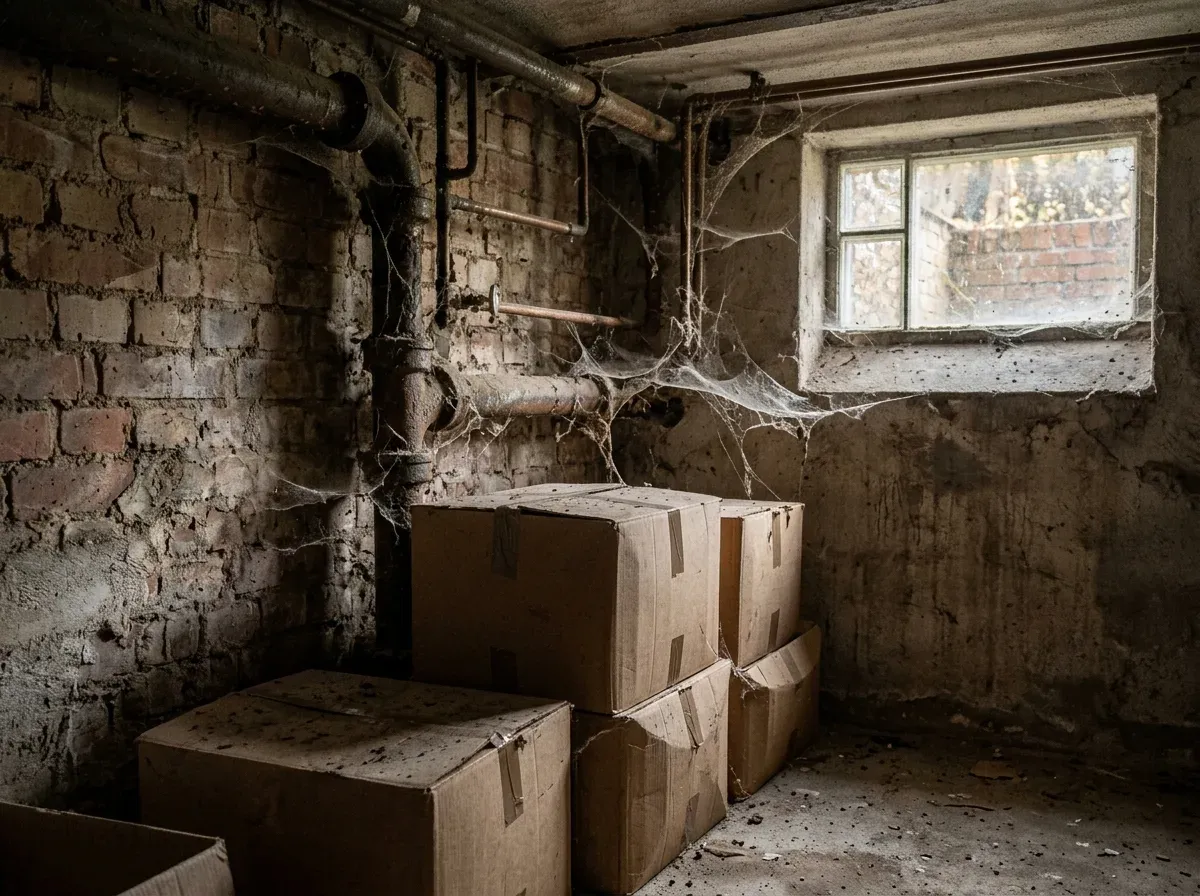
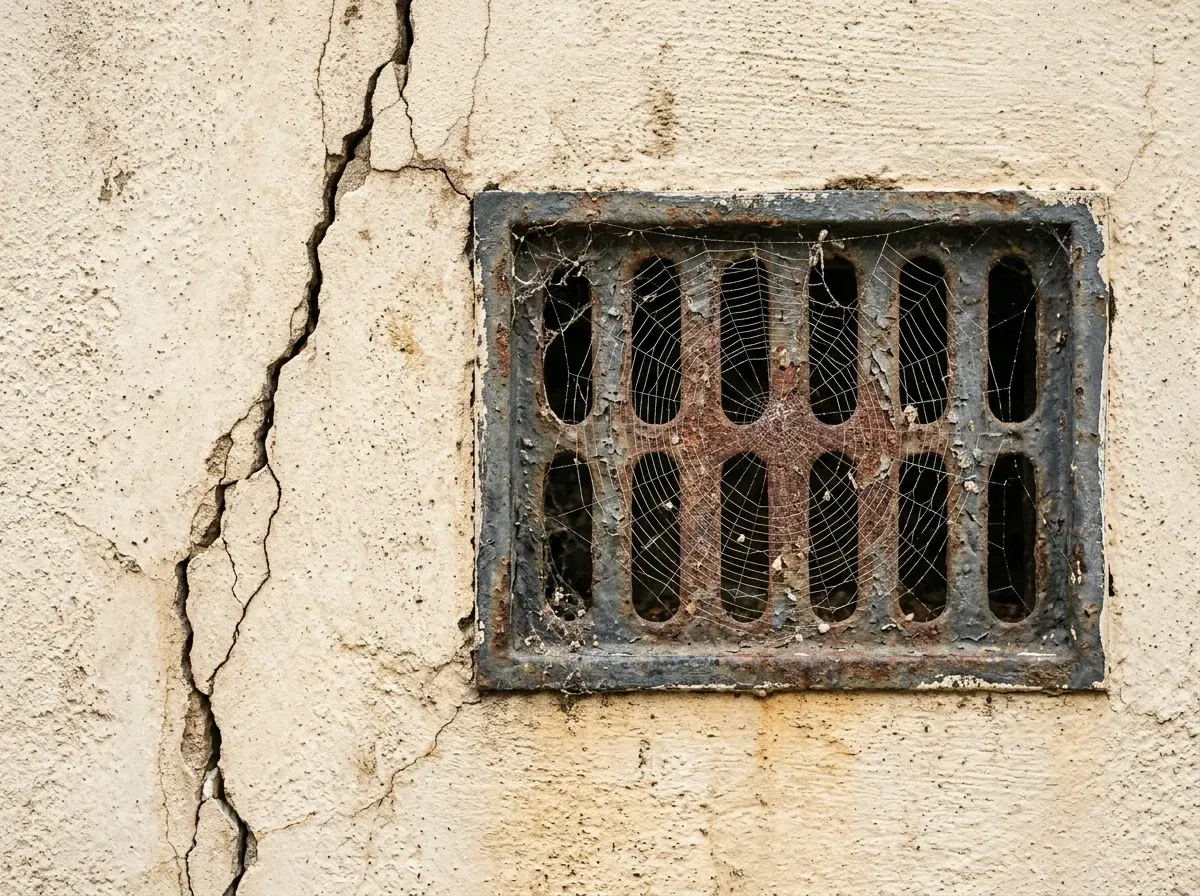
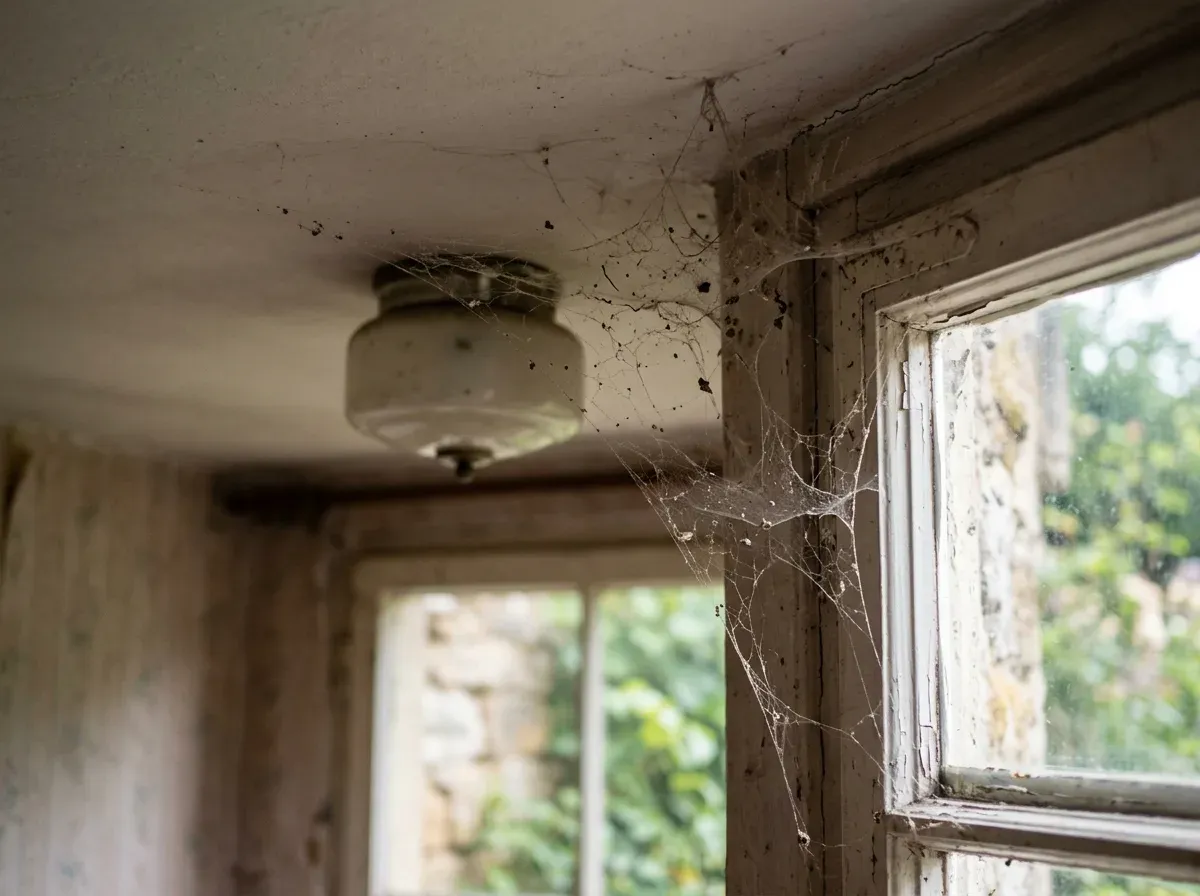
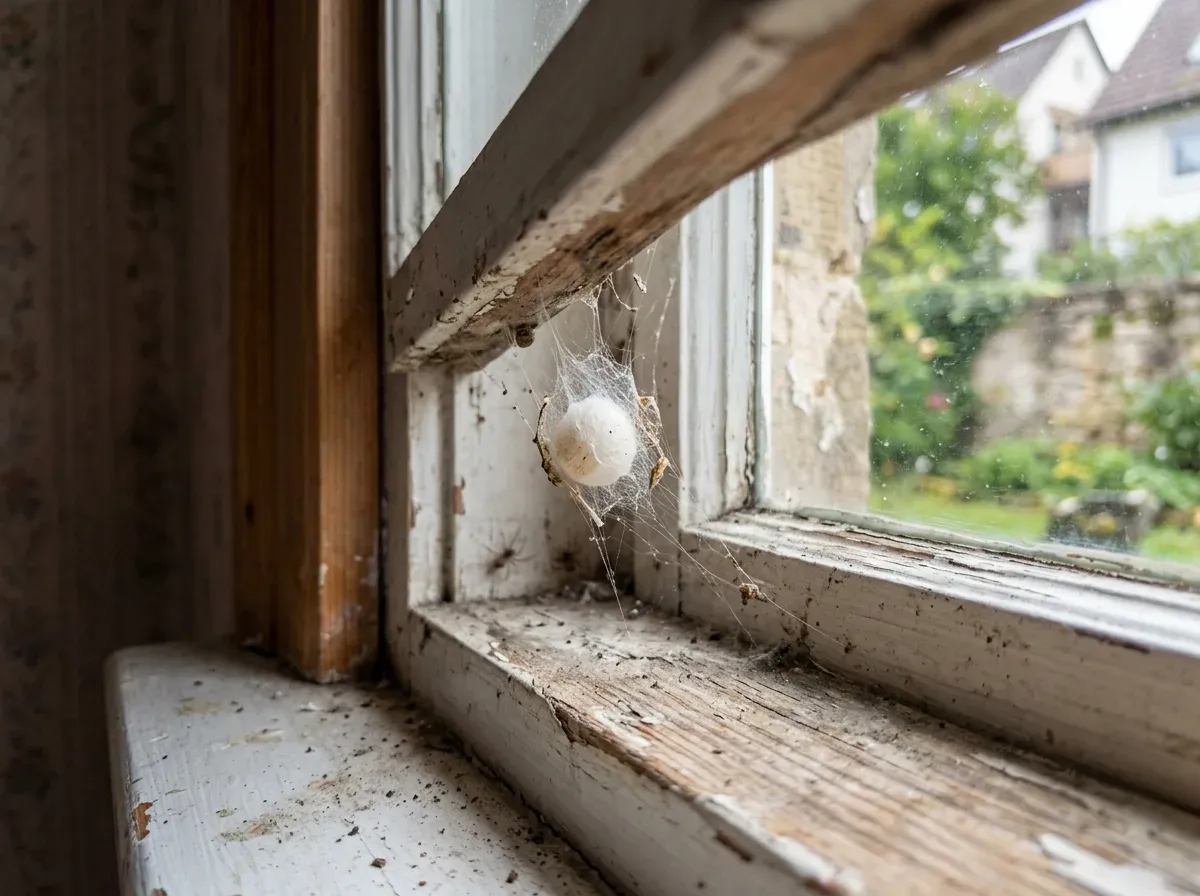
Here, the animal itself is not the issue – keeping the building structure clean is. Webs and egg sacs show up as a shortfall in the cleaning and maintenance regime, and on an audit they typically appear as a finding – especially in a packaging-material warehouse and above process areas, where debris falling from a web is a foreign-matter risk.
A real solution is therefore always twofold: regular, documented removal of webs, and reducing the number of flying insects – which includes reviewing the lighting, as well as installing and emptying UV insect light traps and evaluating their catch data.