Pest Control for Healthcare Facilities

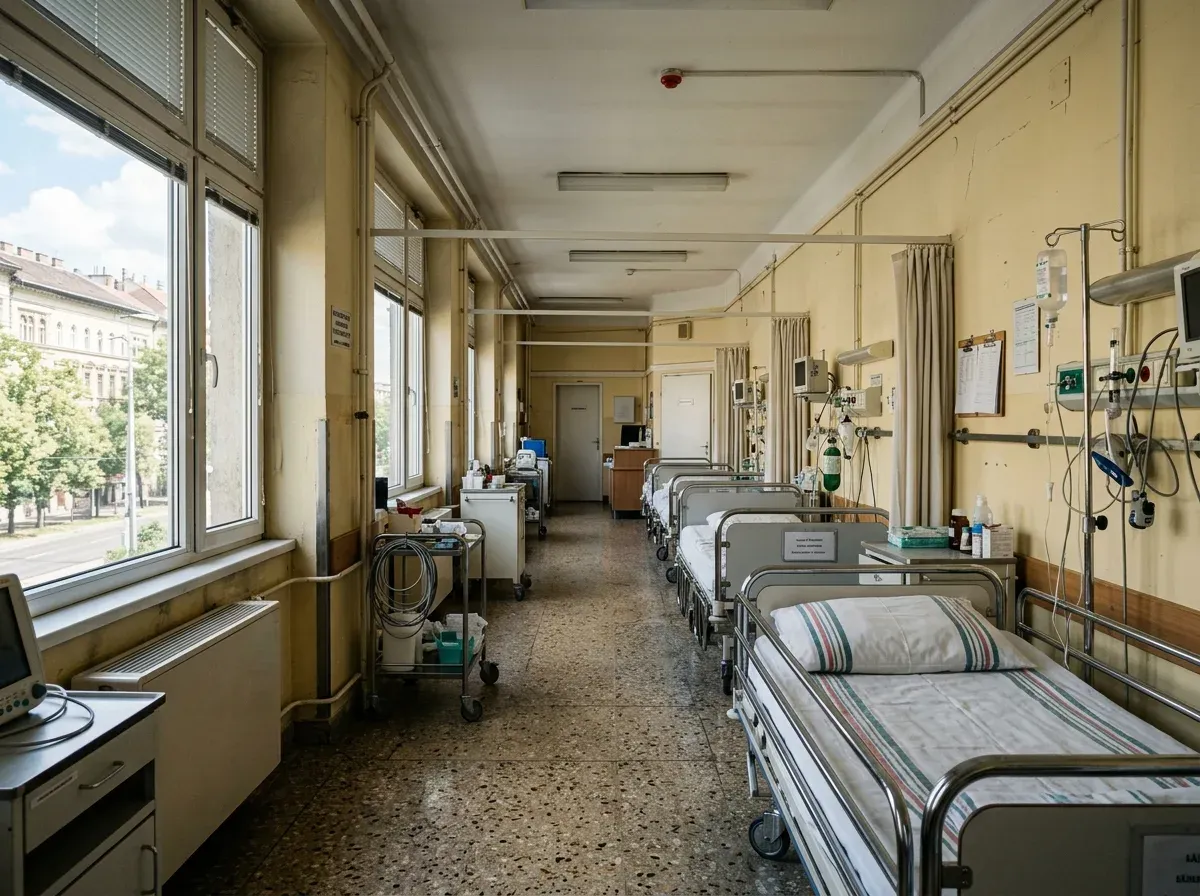
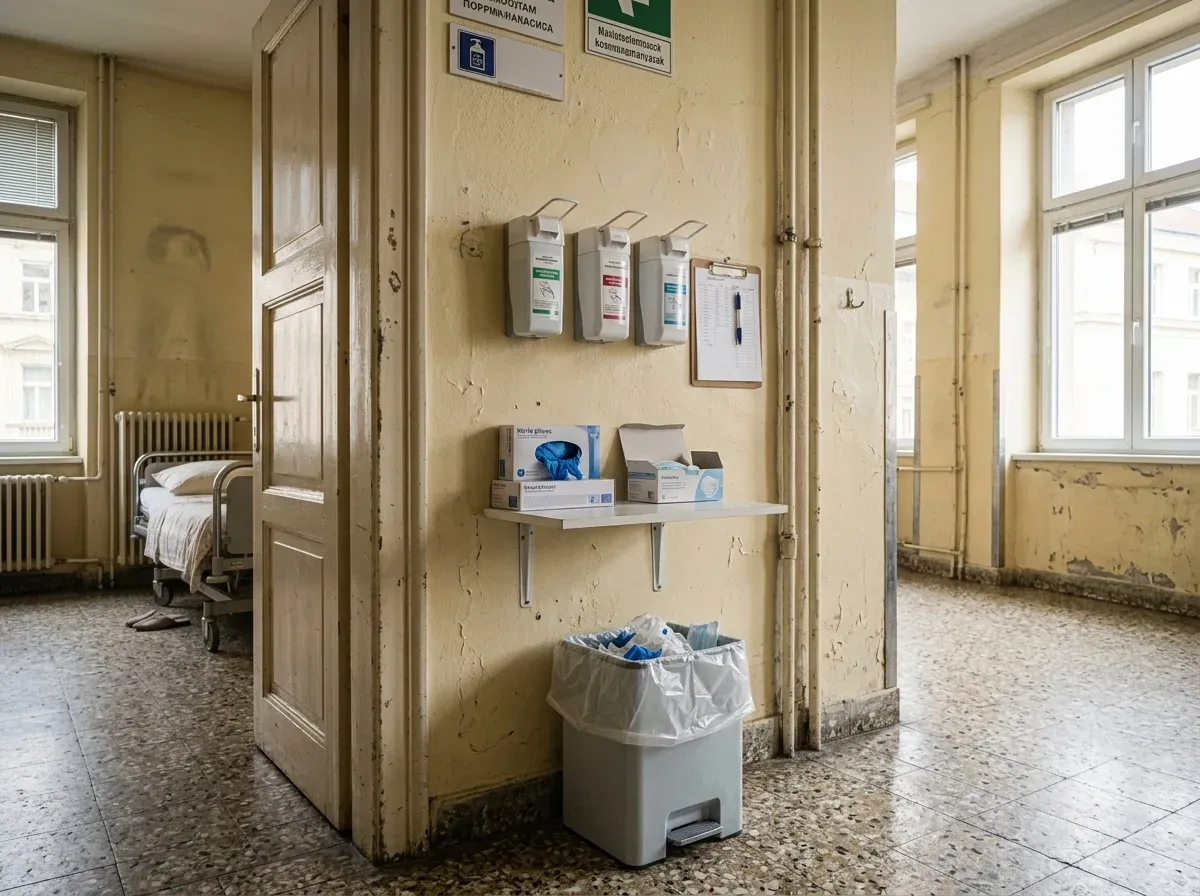
In healthcare and social care facilities, pest control is a matter of infection control, and treatment cannot interrupt patient care. ARZÉN Kft. works alongside continuous operation, in phased scheduling, adapted to the facility's hygiene procedures.

Healthcare & Social Care

Typical challenges

These are the situations that decide how the programme is built for your site – they are the first thing we look at during the survey.

  1. Care cannot be interrupted for treatment

    1Care cannot be interrupted for treatment

  2. A sensitive, vulnerable population served

    2A sensitive, vulnerable population served

  3. Strict hygiene and infection-control procedures

    3Strict hygiene and infection-control procedures

  4. Discretion expected by the facility and by families

    4Discretion expected by the facility and by families

  5. Bed bugs introduced by new admissions

    5Bed bugs introduced by new admissions

Why a healthcare facility is different

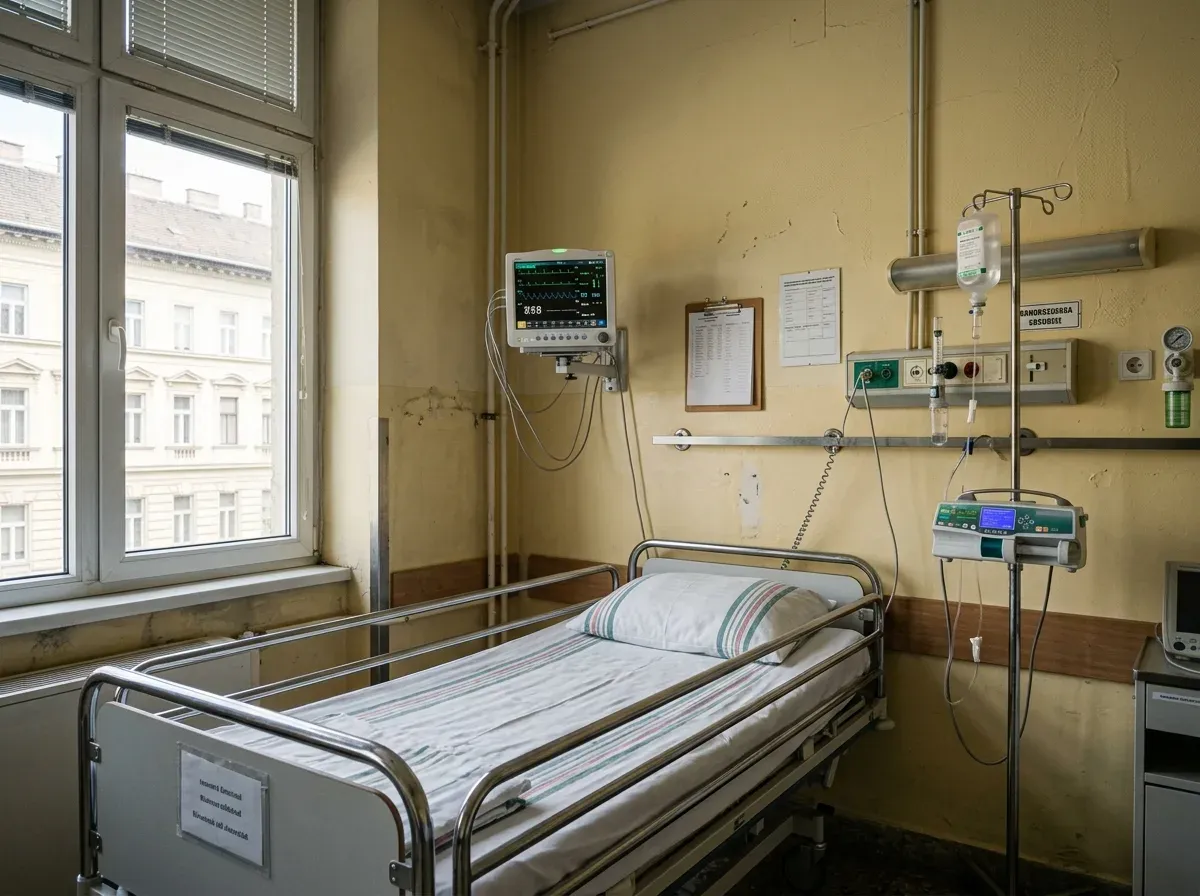
Two constraints define the work. One is that care cannot stop: a ward, a resident’s room or a clinic cannot be out of use for more than a few hours. The other is that the population served is vulnerable — elderly, ill, people with limited mobility — so both the choice of product and the enforcement of the re-entry interval demand extra care.

Phased scheduling

The solution is phasing: the facility is divided into zones, and we work on one zone at a time, within a window set by the facility. This keeps relocation manageable and operations continuous.

Bed bugs

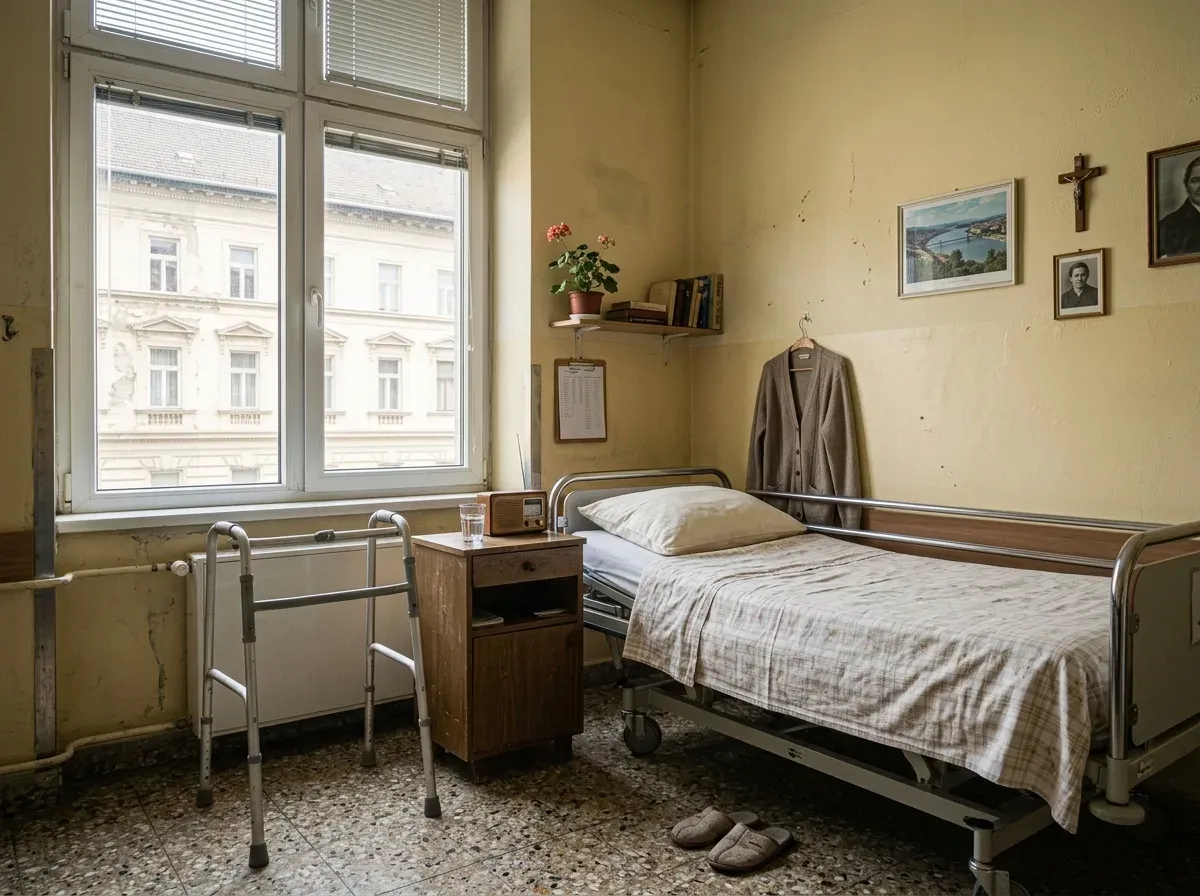
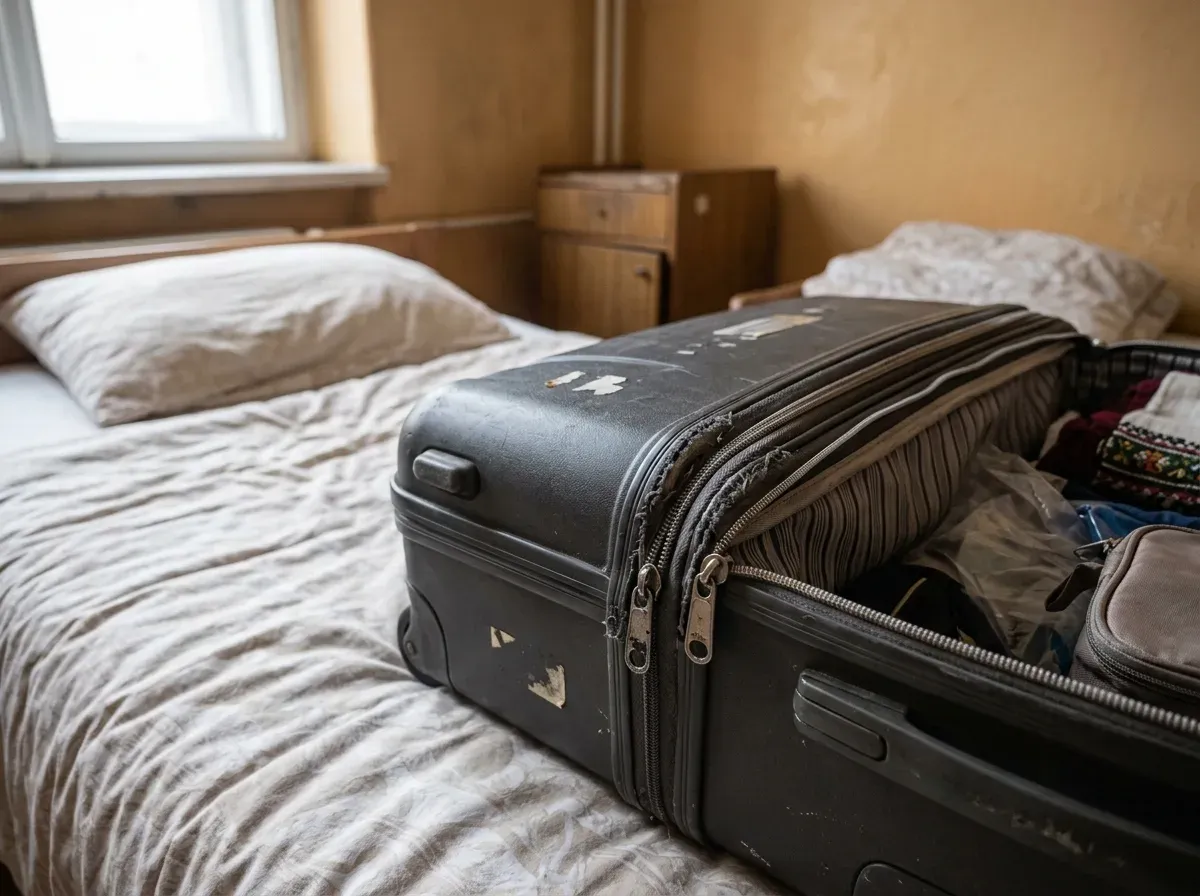
In an institutional setting, bed bugs are the most common and the most difficult case. They typically arrive with newly admitted residents and migrate through structural gaps into neighbouring rooms — so treatment must always extend to the surrounding units as well.

Heat treatment of textiles, targeted treatment of bed frames and furniture joints, and a mandatory follow-up check together give a lasting result.

Discretion

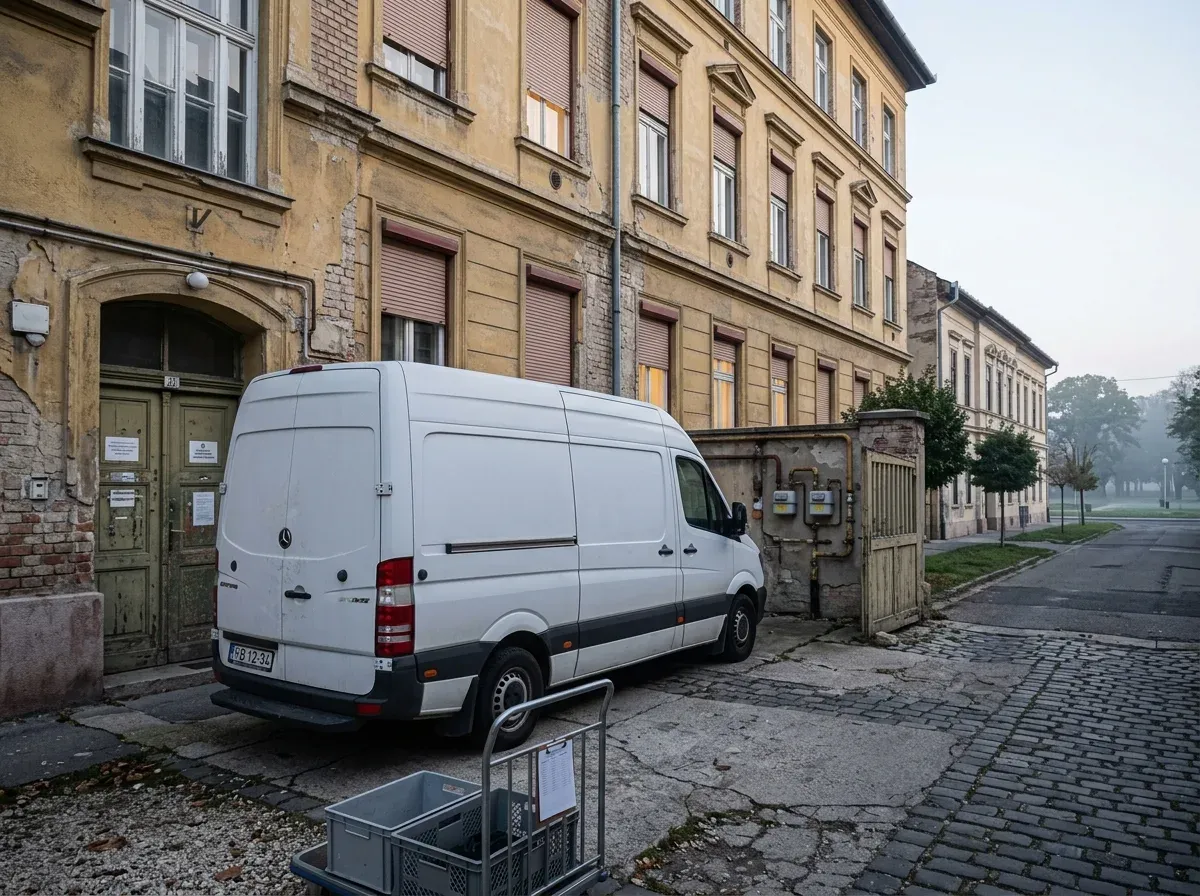
Both the facility and residents’ families value work that does not draw attention. We work in unmarked vehicles and unbranded workwear, at agreed times.

Our references

Our partners include the National Blood Transfusion Service, Szt. Borbála Hospital in Tatabánya, Erzsébet Hospital in Sopron, Nyírő Gyula Hospital, Kispest Healthcare Institute and Pest County Child Protection Centre.

Frequently asked questions

Does the ward or room need to be vacated for treatment?

Most treatments can be phased, room by room, so the facility keeps running without interruption. The treated room cannot be used for the re-entry interval — typically a few hours — which we agree in advance so that relocation can be arranged.

How is a bed bug infestation treated in an institutional setting?

Bed bugs typically arrive with a new admission or a visitor. Treatment covers the infested room and the adjoining units as well, because the species migrates through structural gaps. Heat treatment of textiles and targeted treatment of bed frames together give a lasting result; the follow-up check cannot be skipped.

Is the work carried out discreetly?

Yes. Our technicians can work in unmarked vehicles and unbranded workwear, and treatments are carried out at times agreed with the facility.

More from us