HACCP Pest Control for Food Manufacturers

Pest control in the food industry is not an occasional intervention but a continuously run, documented programme. Both IFS and BRCGS require a monitoring point network, a site plan, scheduled inspection and traceable records. ARZÉN Kft. prepares and maintains this documentation in full.

Food Industry

Typical challenges

These are the situations that decide how the programme is built for your site – they are the first thing we look at during the survey.

  1. The audit examines the documentation, not just pest presence

    1The audit examines the documentation, not just pest presence

  2. Production cannot stop for treatment

    2Production cannot stop for treatment

  3. Limited use of products in food-contact zones

    3Limited use of products in food-contact zones

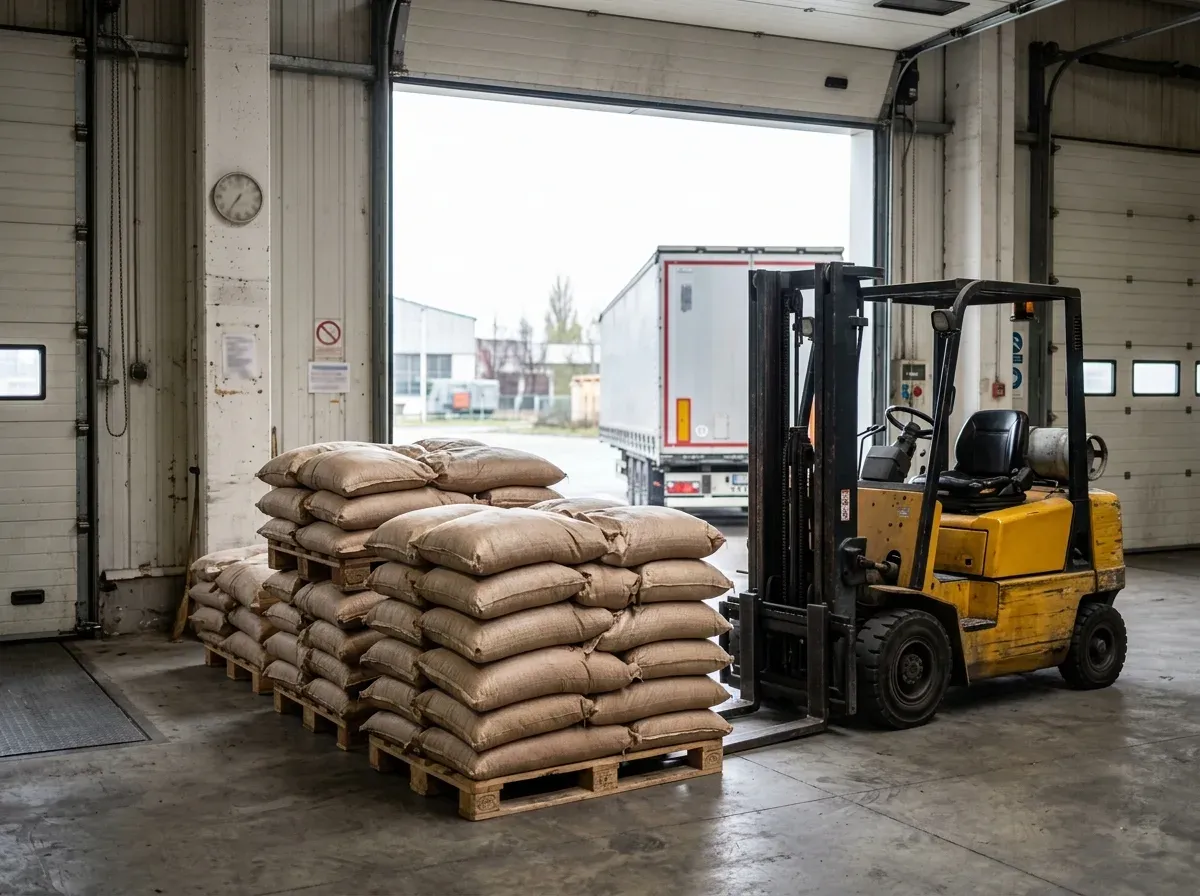
  4. Continuous risk of pest introduction with raw materials

    4Continuous risk of pest introduction with raw materials

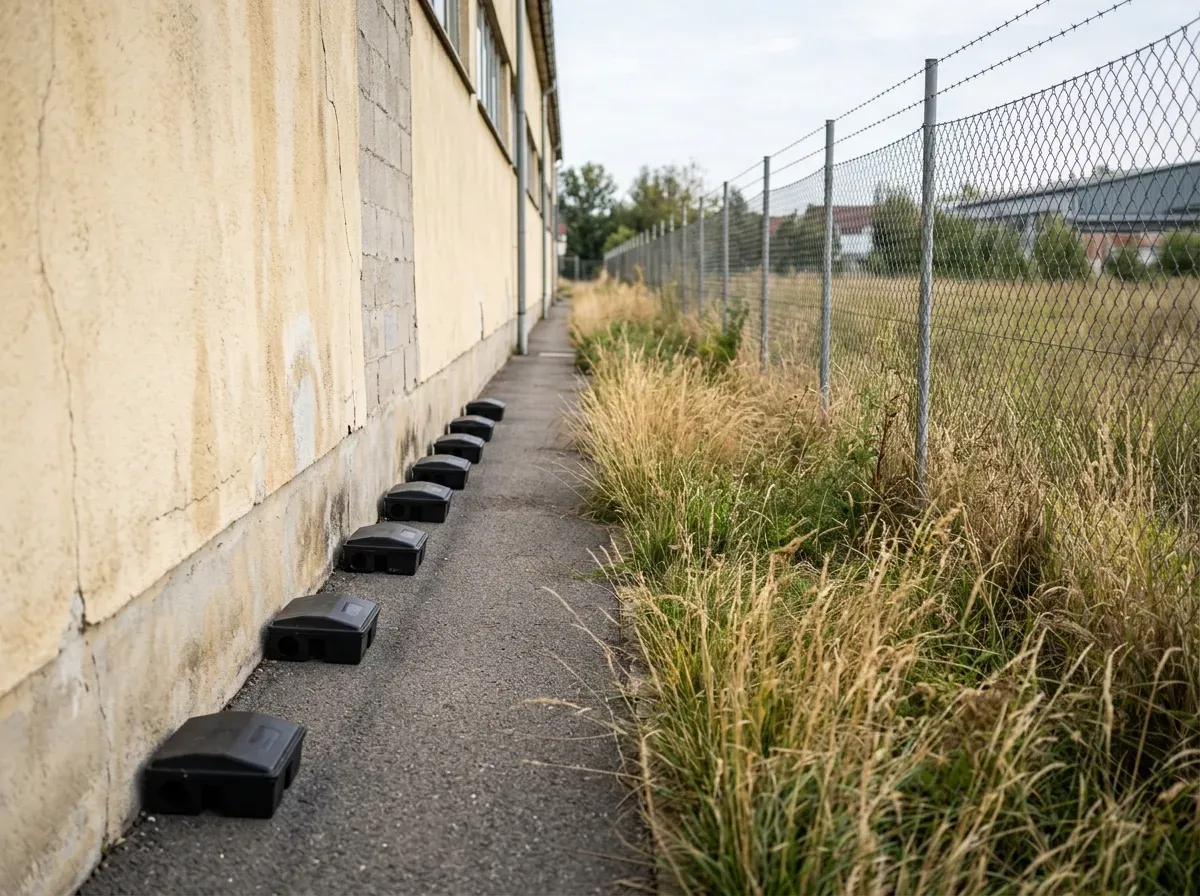
  5. Weak perimeter protection undermines the indoor programme

    5Weak perimeter protection undermines the indoor programme

The audit is not looking for the pest

In food-industry audits, the most common non-conformity around pest control is not that a pest was found, but that the programme’s operation cannot be proven: there is no site plan, past records are missing, or there is no data series showing that treatments had an effect.

Seen this way, pest control is a documentation task with a technical execution component — not the other way round.

What exactly does an audit expect from pest control documentation? We cover this in our guide to HACCP pest control requirements.

What the pest control file must contain

  • A written pest control programme — recording the zones treated, the technology and the frequency
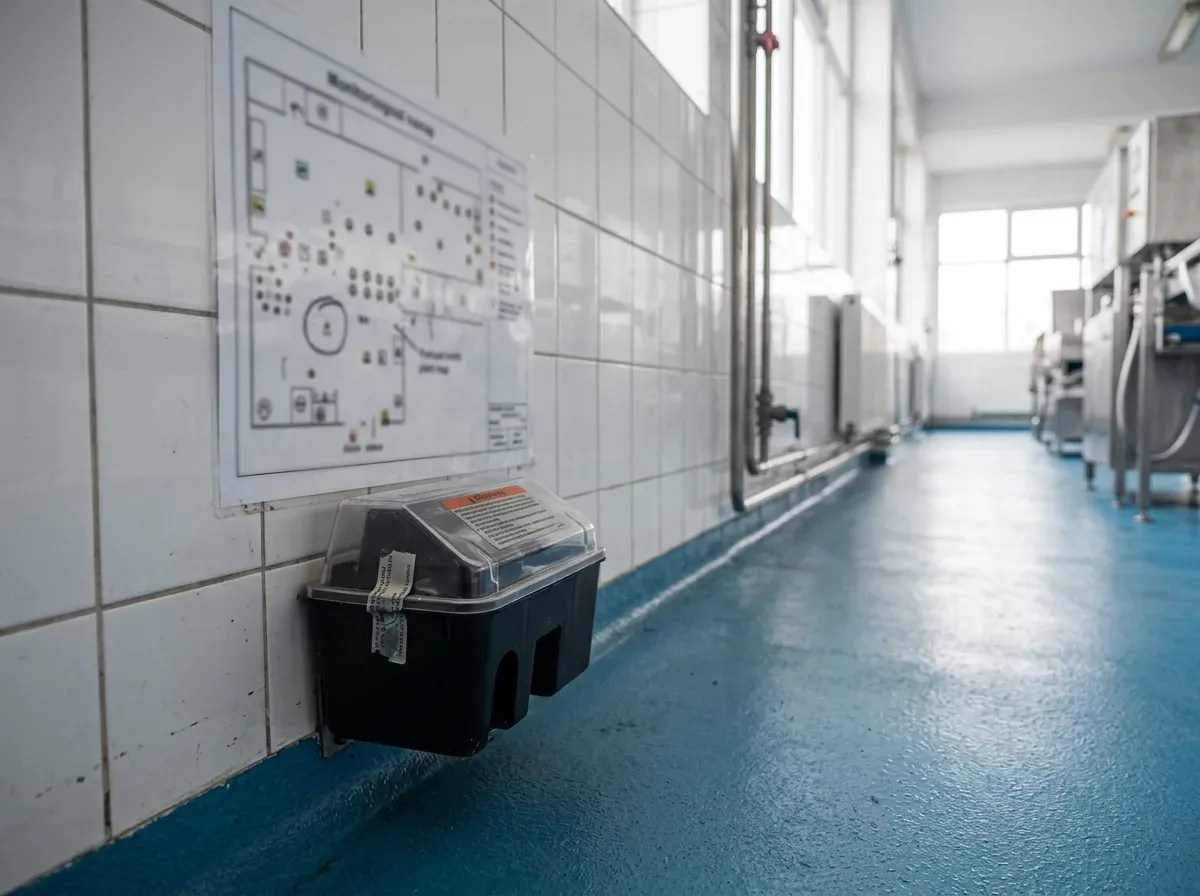
  • A site plan with numbered monitoring and bait points
  • Inspection records, dated, going back
  • Catch data and trend summaries by zone
  • Safety data sheets for every product used
  • Copies of authorisations — for the products and for the business
  • A service contract and a defined point of contact

A zoned approach

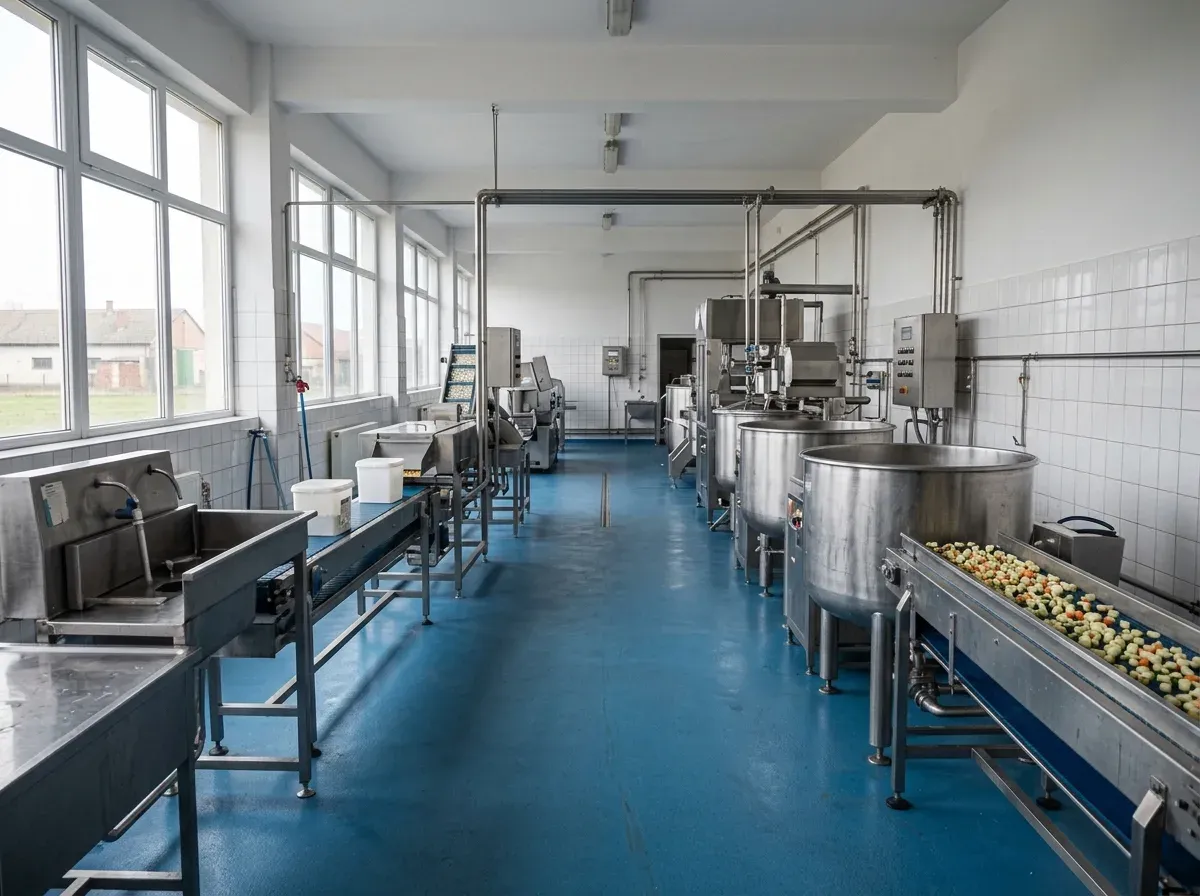
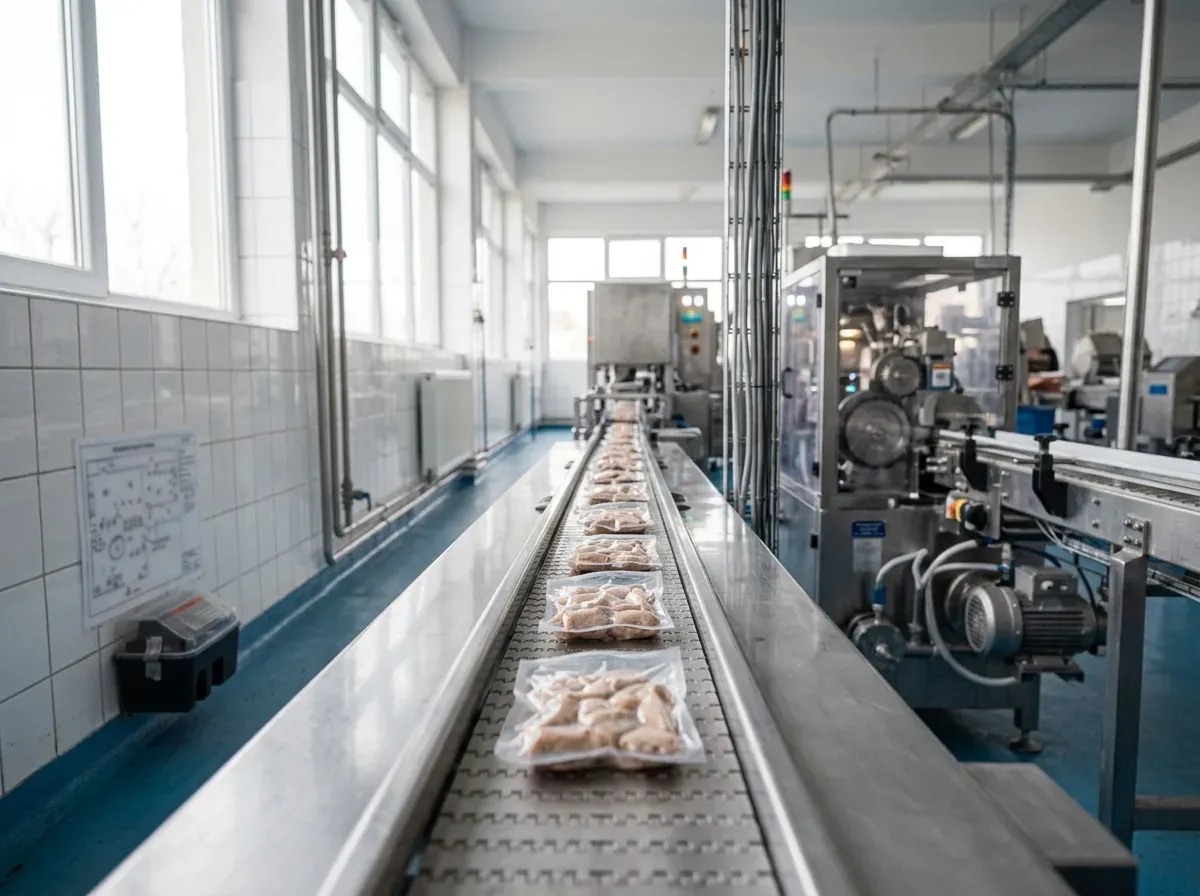
A plant is not a uniform environment. Raw-material intake, the production floor, packaging, finished goods storage and staff facilities carry different risk levels and allow different equipment.

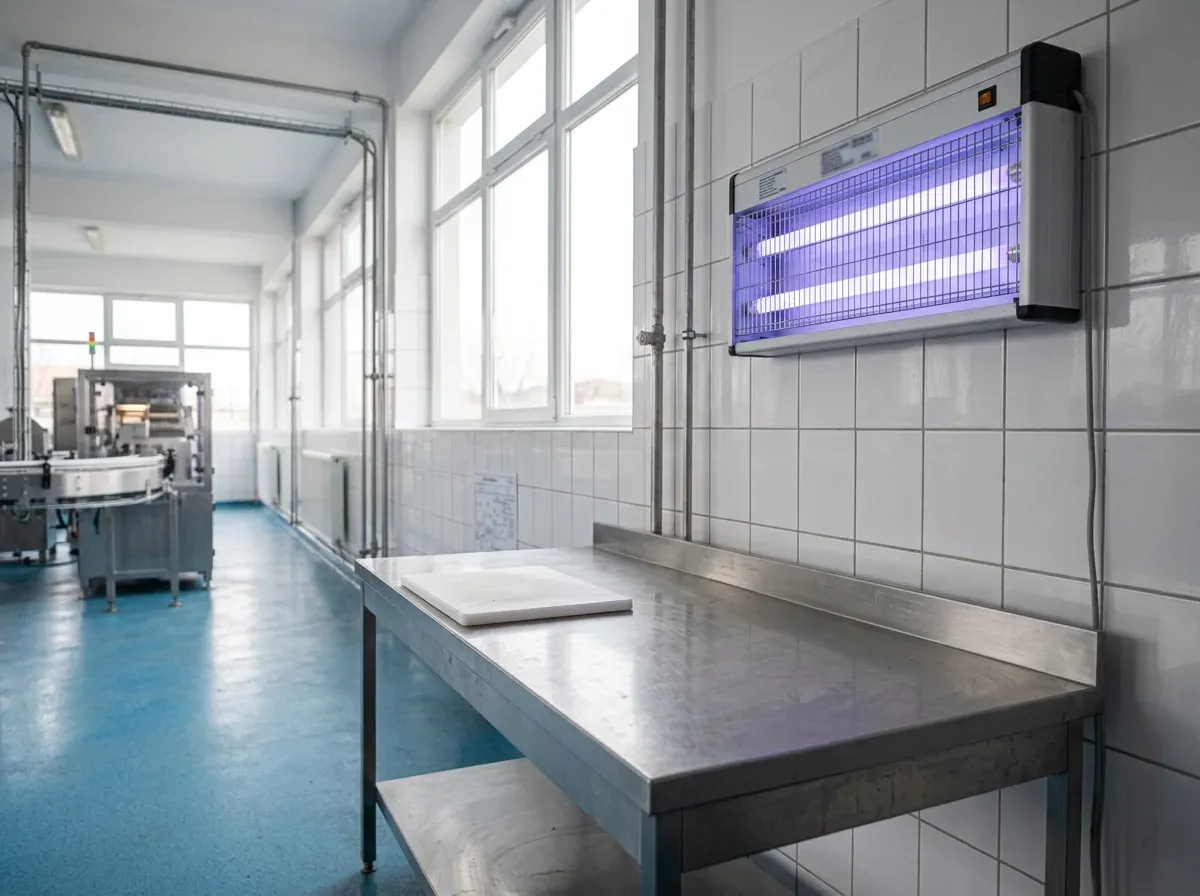
In high-risk, food-contact zones, toxic bait is typically not applicable. Here, mechanical traps, glue-board monitors and UV insect traps do the work.

On the perimeter — the building’s outer line — lockable bait stations provide protection before a rodent can get in.

This layering is what an audit calls “perimeter protection.”

Scheduling without stopping production

Treatments are scheduled for shift breaks, weekends or planned maintenance windows. We choose the technology so that the re-entry interval fits inside the window, and surfaces are usable again before production restarts.

Our references in the sector

Our partners in the sector include food and beverage plants, feed mixers, mills and fast-food chains — among them Sano-Modern Takarmányozás Kft., Reckitt Benckiser Kft. and TB. One Kft., which operates McDonald’s restaurants.

Frequently asked questions

What does an IFS or BRCGS audit check regarding pest control?

Whether a written pest control programme exists, whether there is a site plan with numbered monitoring points, whether inspection records are available going back, whether safety data sheets and authorisations for the products used are on hand, and whether the trend data shows the programme working and treatments having an effect.

Who is responsible for the pest control programme, the provider or the plant?

Responsibility lies with the plant; the provider's job is competent execution and documentation. That is why it matters that the material handed over by the provider can stand on its own at the audit, and that the plant designates someone responsible for following the programme.

Can rodenticide bait be used inside the production area?

In food-contact and high-risk zones, toxic bait is typically not permitted. In these zones we use mechanical traps and glue-board monitors instead, and place bait only around the building's outer perimeter, in lockable bait stations.

More from us