The nature of logistics risk
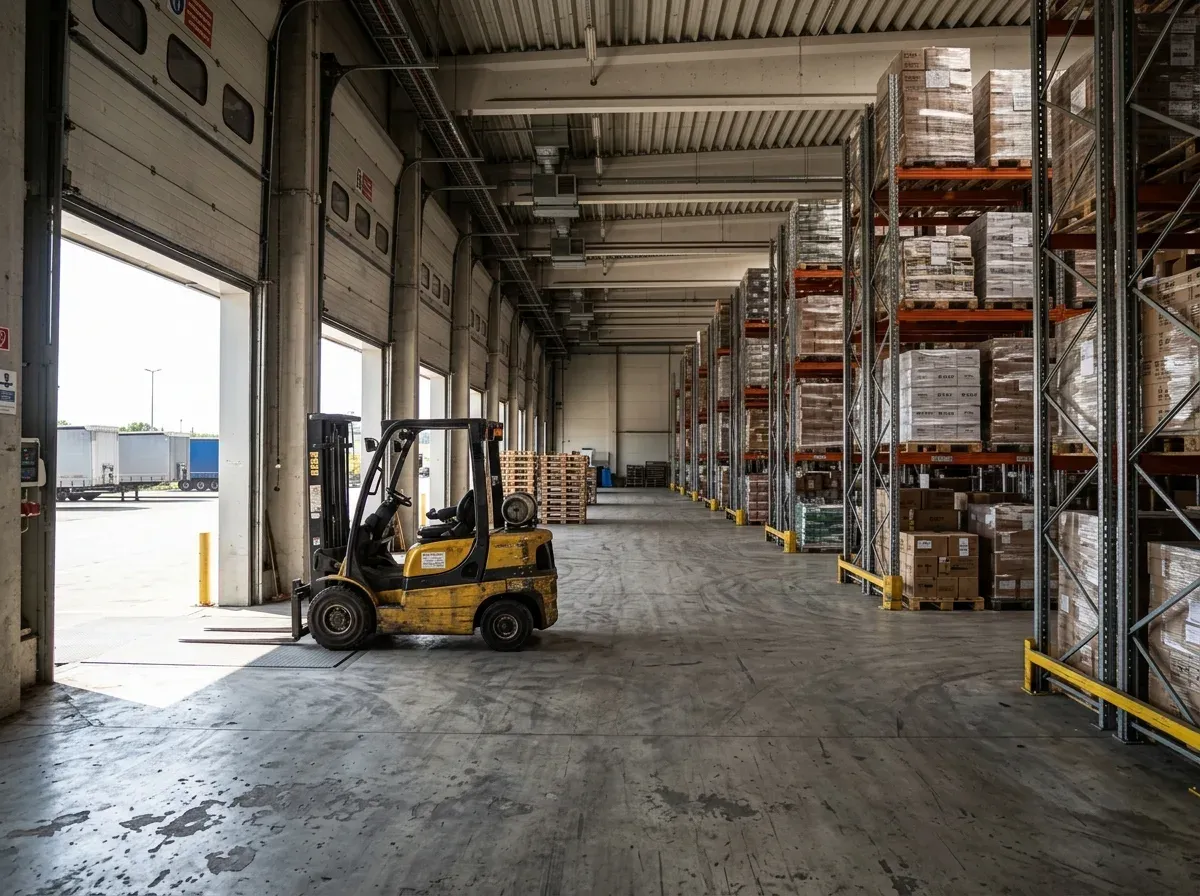
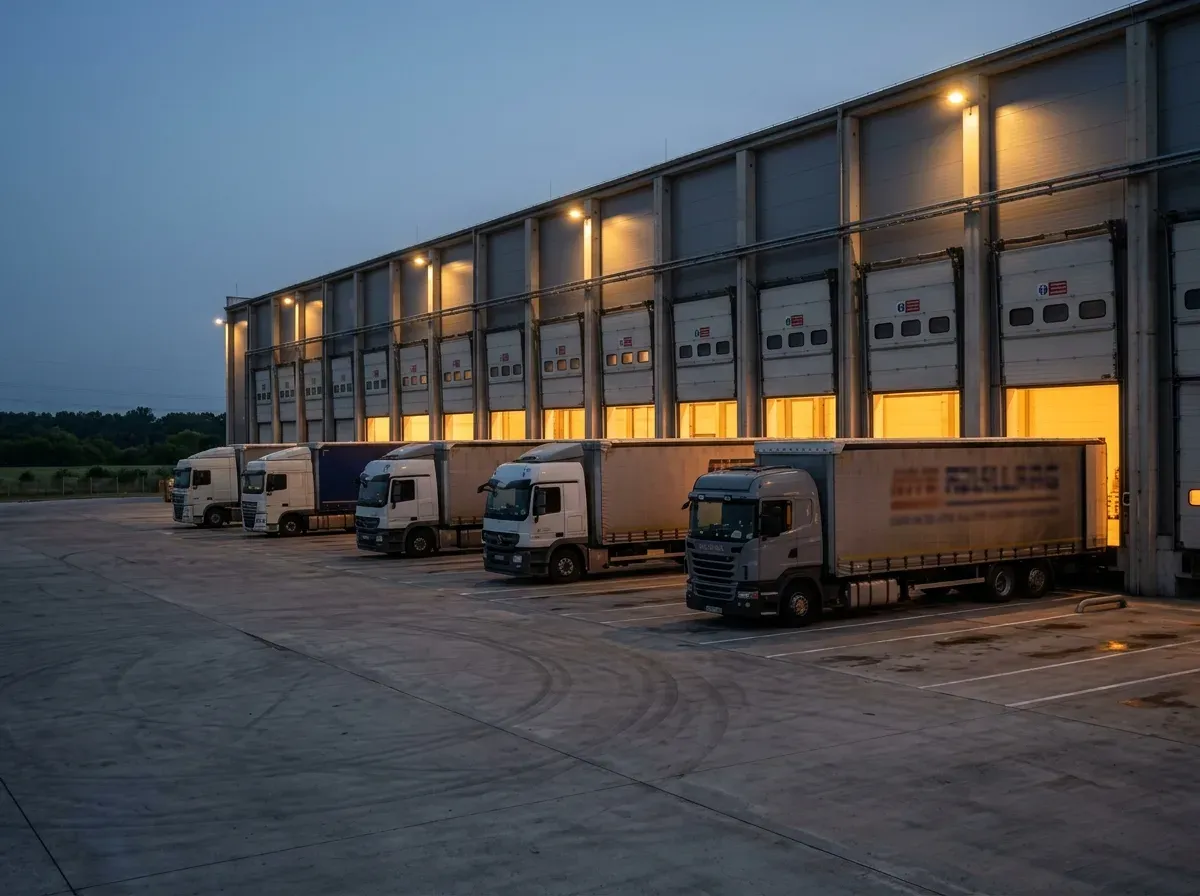
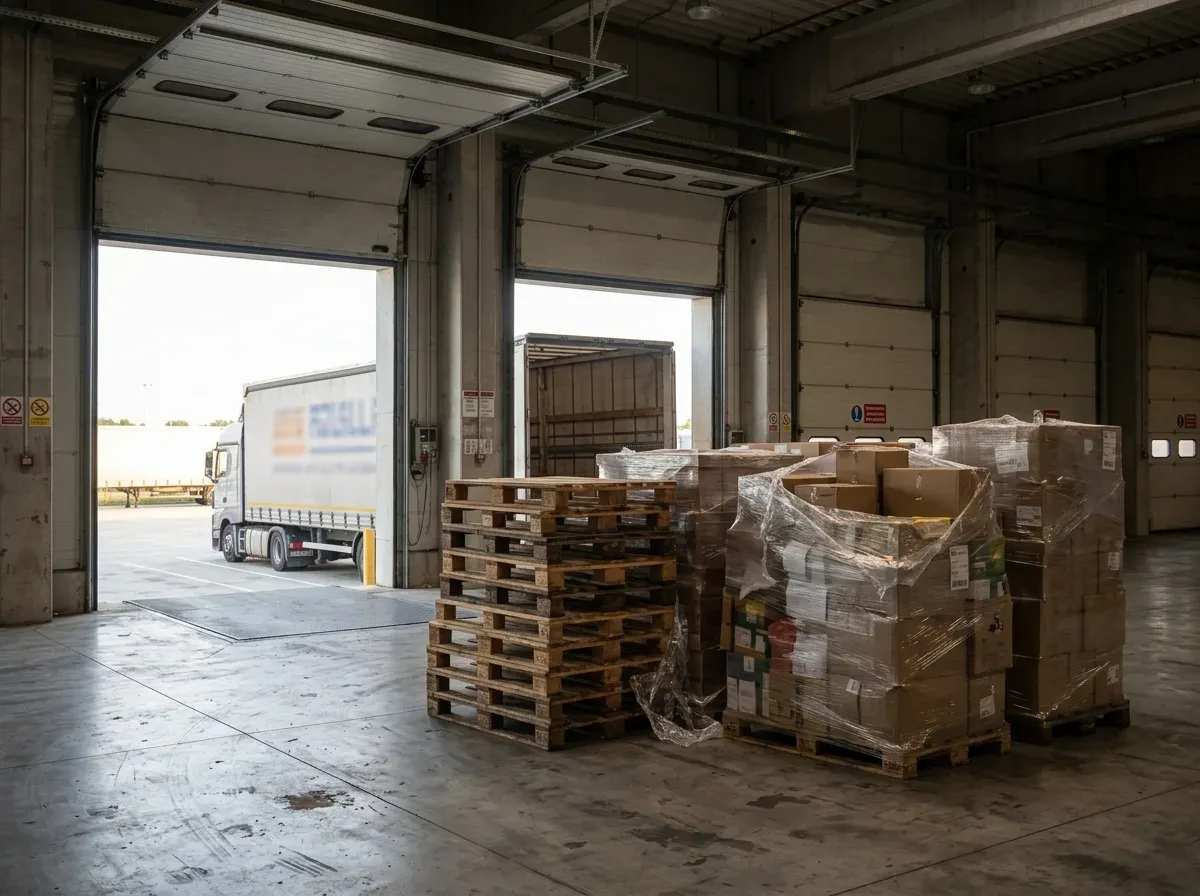
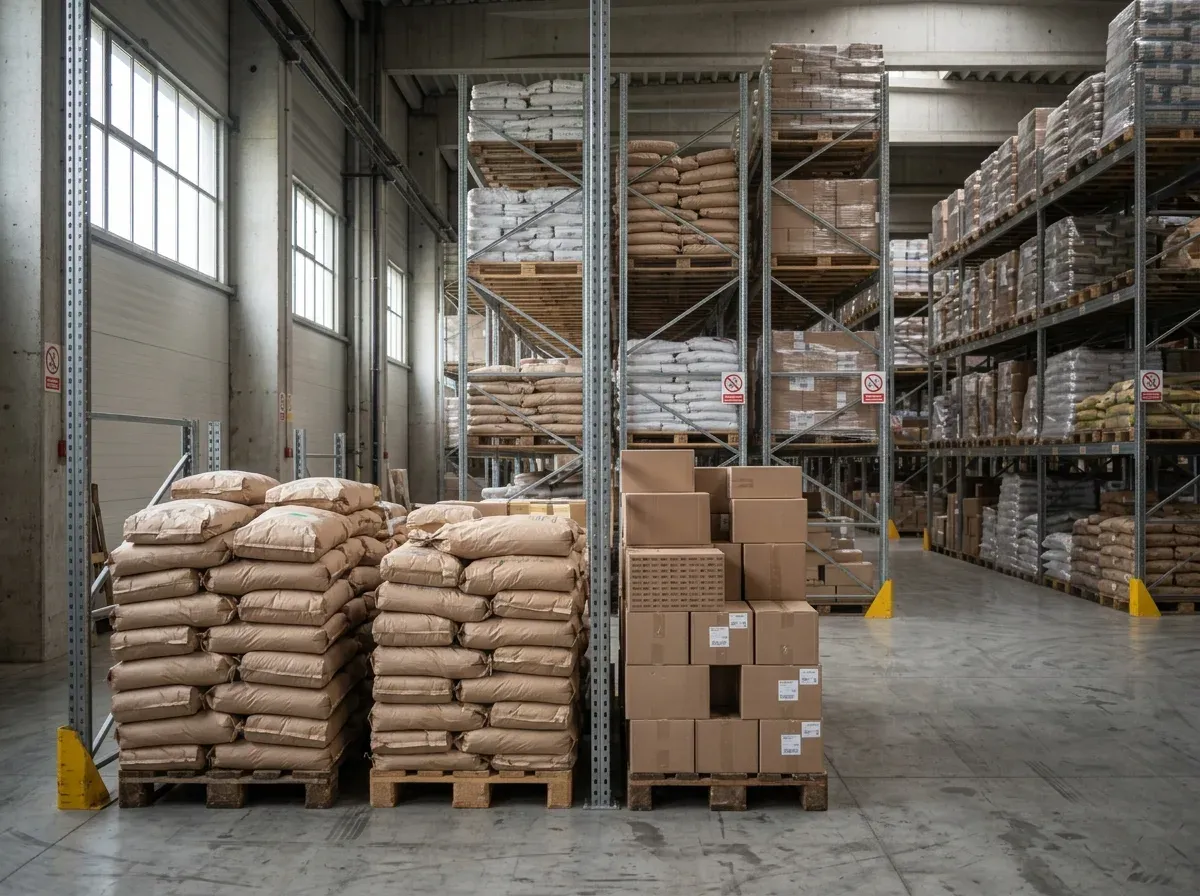
A warehouse’s pest risk depends less on what is stored than on how much moves through it. Every incoming shipment, pallet and container is a potential route of introduction, and the loading dock doors stand open for most of the day.
That is why protection is centred on the perimeter and the dock doors, not the interior of the storage space.
Perimeter protection
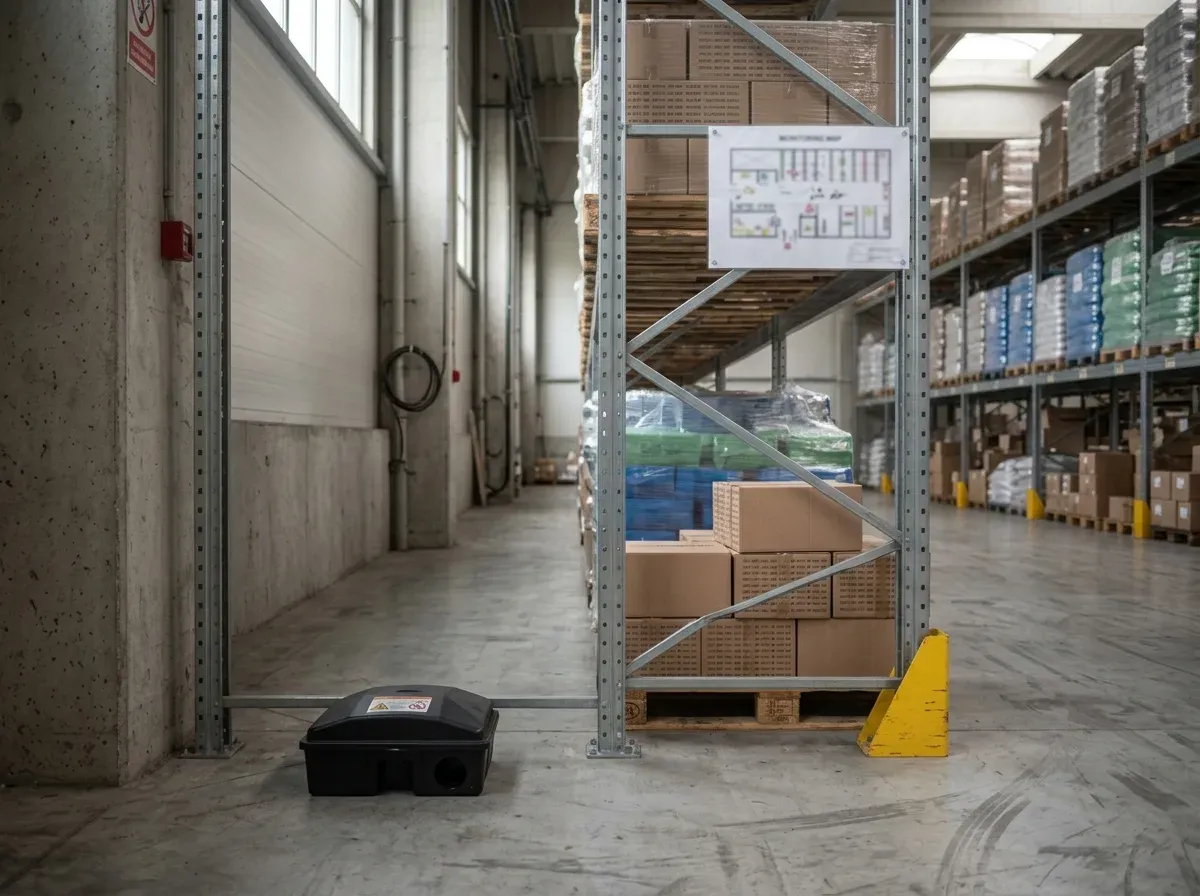
A network of lockable bait stations runs along the building’s outer line, denser near the dock doors, the waste storage area and manhole covers. This includes maintaining a vegetation-free strip around the building — plants growing up against the wall provide shelter right next to it.
Dock-door monitoring
We install a denser point network next to the loading docks, because the data is most valuable there: a sustained rise in catches at a given dock points to its physical condition or its surroundings.
Managing a large footprint
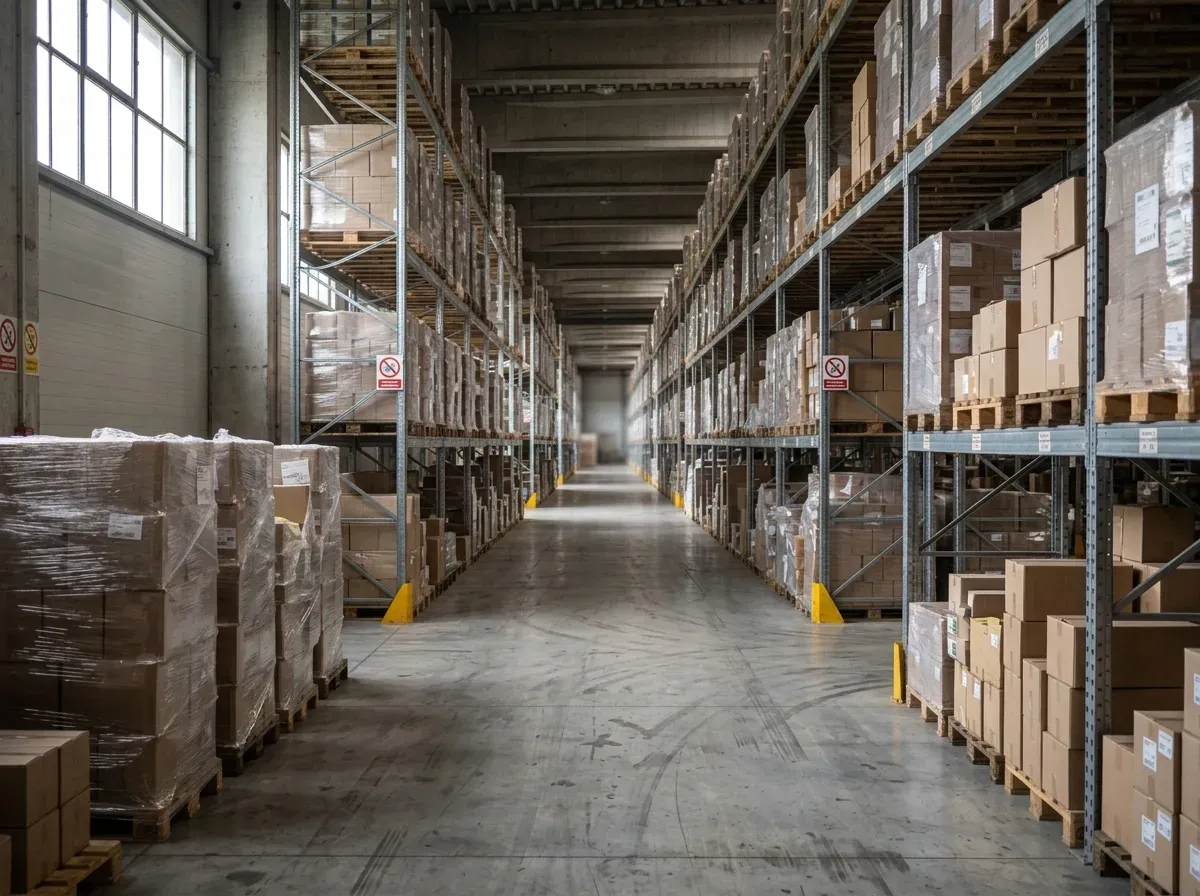
In a warehouse covering tens of thousands of square metres, the point network is organised by zone. Summaries are compiled by zone, so a rise in pressure can be traced to a location instead of disappearing into the warehouse’s overall totals.
Documentation for supplier audits
IFS Logistics and BRCGS Storage & Distribution expect the same documentation as the food-industry standards: a site plan, inspection records, trend data, safety data sheets. We prepare all of it in full.
What exactly does an audit expect from pest control documentation? We cover this in our guide to HACCP pest control requirements.