

Two risks, not one
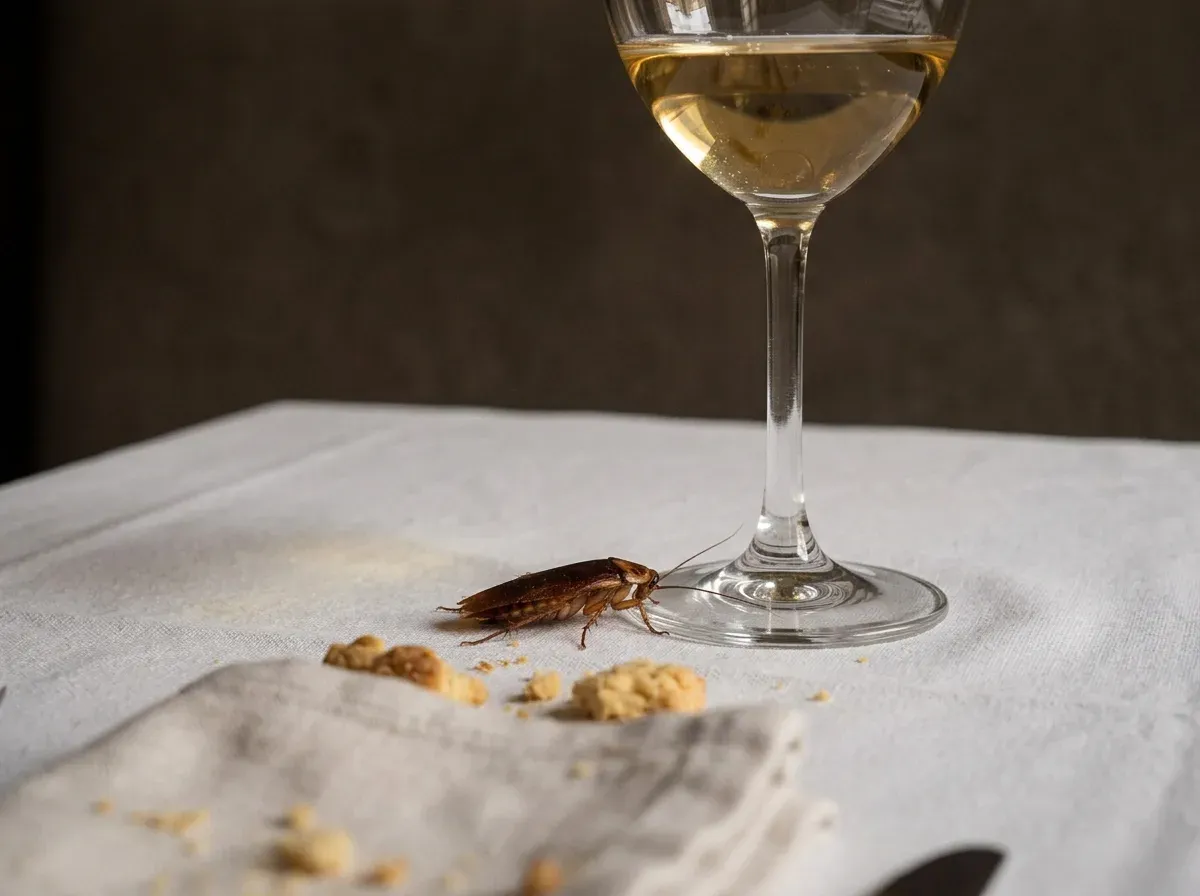
In hospitality, a pest causes two separate kinds of damage. One is regulatory: a deficiency found at an inspection can lead to a fine, or in serious cases, closure of the business. The other is reputational: a single guest photo of a cockroach shapes online reviews for a long time, and that damage cannot be undone afterwards.
Kitchens: where infestation hides
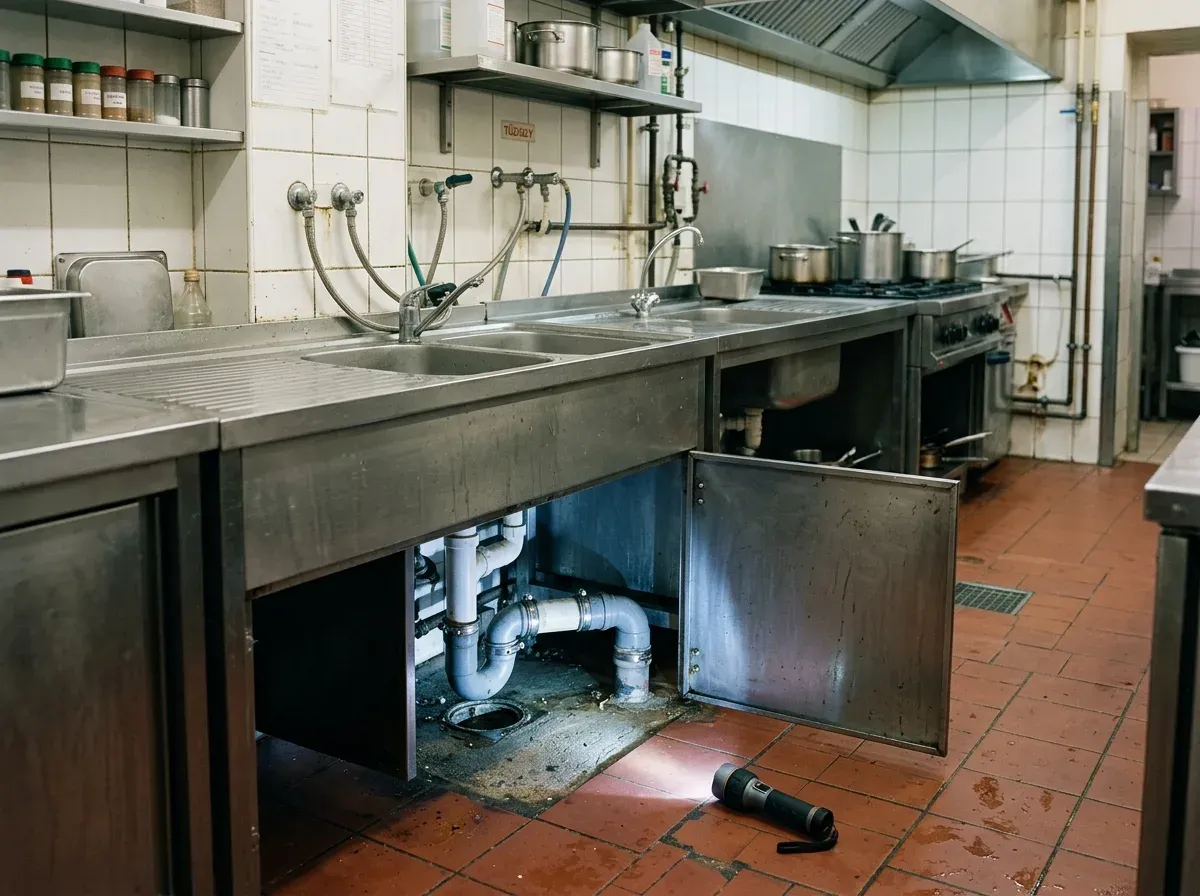
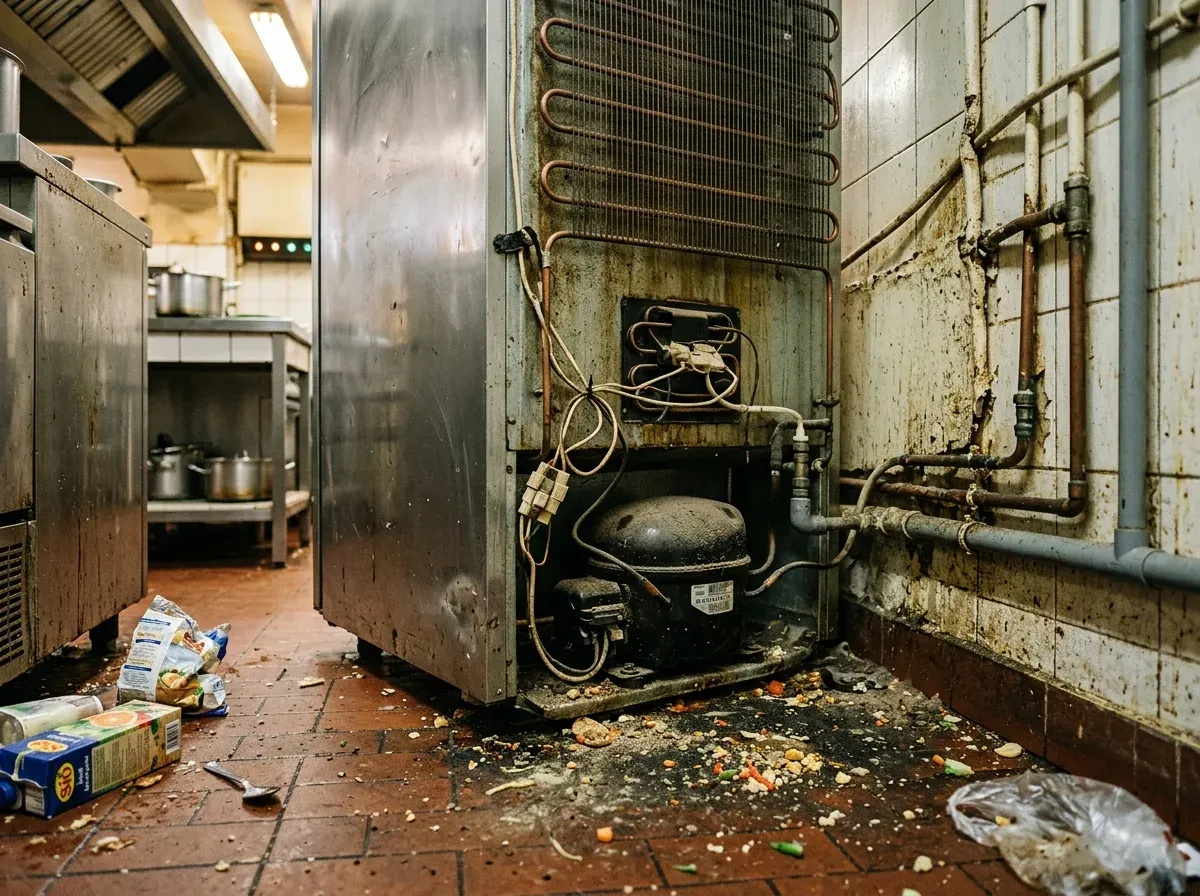
The warm, protected cavities in kitchen equipment — behind ovens, inside dishwasher insulation, in refrigeration motor compartments — are ideal habitat for the German cockroach. Surface treatment cannot reach these points.
A lasting result requires moving the equipment and targeted gel treatment of the gaps, followed by a check two to three weeks later, by which time the next generation would have emerged.
Hotels: bed bugs
Guest traffic means a constant risk of introduction. Treatment must never be limited to the affected room: the neighbouring rooms, and the rooms above and below it, must also be inspected.
Heat treatment of textiles, targeted treatment of bed frames and furniture joints, and a mandatory follow-up check together give a lasting result.
Discretion
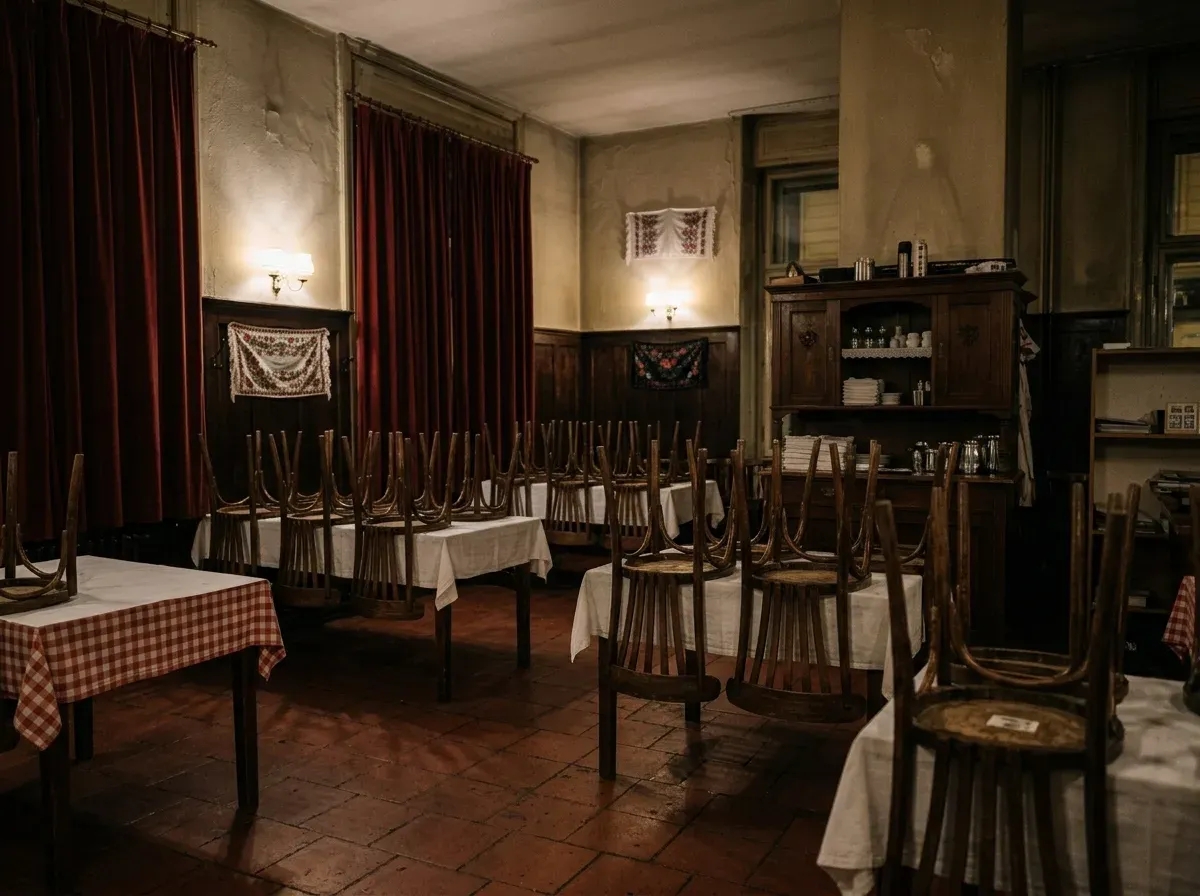
We work in unmarked vehicles, in unbranded workwear, after closing. Guests notice nothing.
Documentation
A treatment record, safety data sheets, copies of authorisations and monitoring data — together, in a form that can be presented immediately at an official inspection.
What exactly does an audit expect from pest control documentation? We cover this in our guide to HACCP pest control requirements.